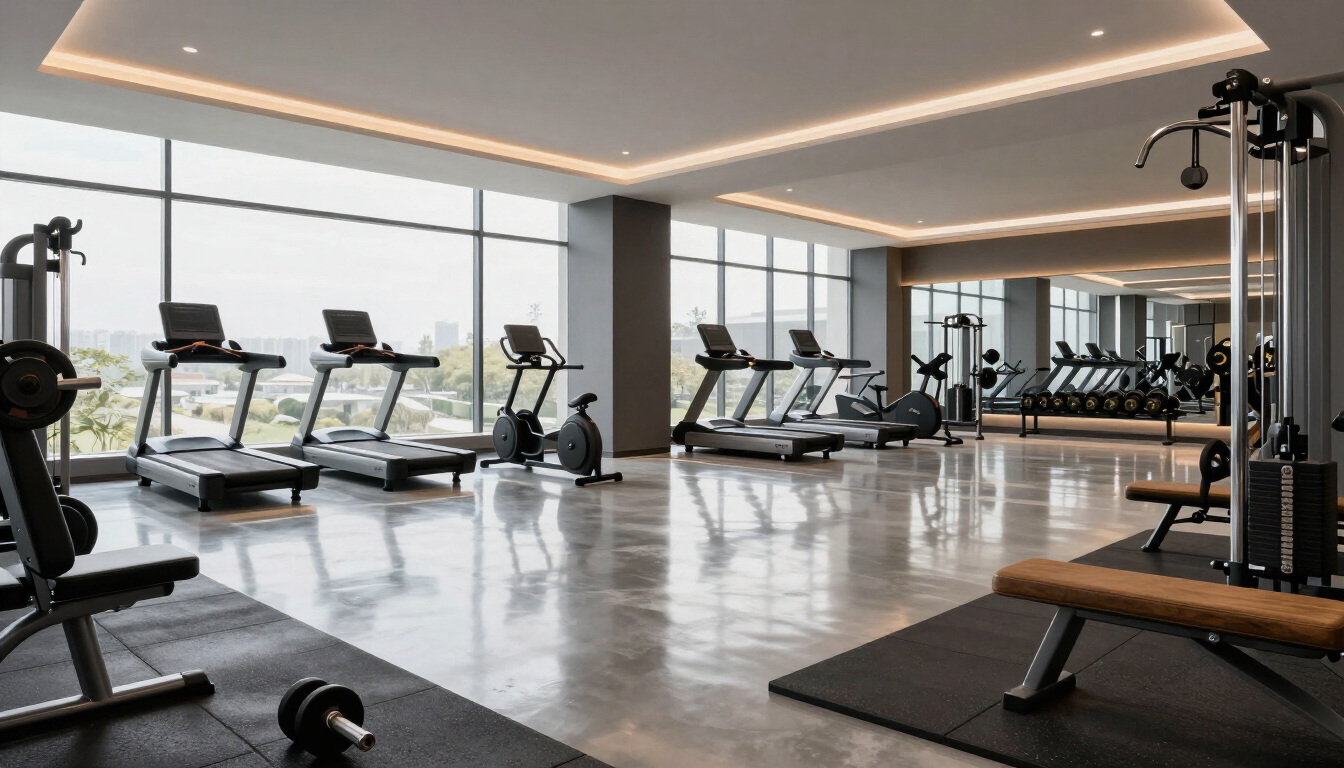
5 Ways to Spot if Concrete Floors Need Restoration

June 25, 2026

Share this article

To determine if your commercial concrete floor needs restoration or full replacement, evaluate the depth of structural damage. Restoration is ideal for surface-level wear, staining, or small cracks. However, if there are deep structural fissures, settling issues, or extensive heaving, a full replacement is usually necessary for safety.

When should you choose commercial concrete floor restoration?

If you are managing a facility in Chester or Montgomery County, you know that the floor is the foundation of your entire operation. Choosing between commercial concrete floor restoration and a total replacement is a significant decision that impacts both your budget and your timeline. Restoration is almost always the preferred path when the slab itself is structurally sound but looks worn out.

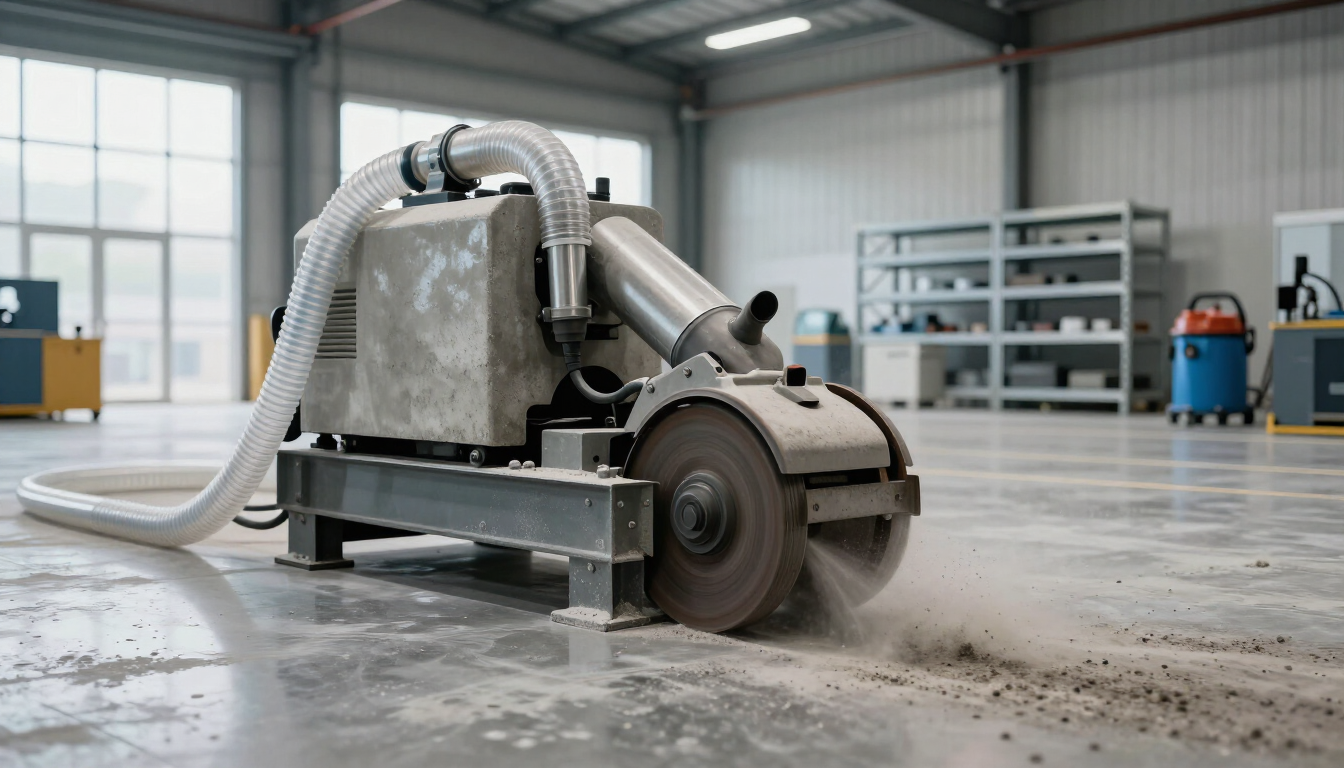
Restoration involves a series of professional processes like commercial concrete grinding and polishing to remove the top layer of damaged material. This reveals a fresh, clean surface that can then be sealed or stained. It is a cost-effective way to breathe new life into a warehouse or retail space without the massive downtime associated with pouring new concrete.

Visible Signs of Surface Wear

Many facility managers mistake surface-level issues for terminal damage. It is important to distinguish between "ugly" concrete and "broken" concrete. If your floors are suffering from the following, you are likely a prime candidate for restoration:

  • Dullness and loss of light reflectivity
  • Minor surface pitting or "crazing" (fine spiderweb cracks)
  • Staining from oil, chemicals, or tire marks
  • Small chips around expansion joints
  • Dusting, where the concrete surface seems to shed a fine powder

When you see these signs, commercial concrete floor maintenance or a restoration project can stop the degradation before it reaches the core of the slab.

What are the red flags for full replacement?

Sometimes, a floor is simply beyond the point where a grinder or polisher can save it. At Forge Concrete Surfaces, we often see floors in Phoenixville that have been pushed to their limit. Total concrete floor replacement becomes necessary when the sub-base beneath the concrete has failed. If the ground has shifted or settled unevenly, the concrete on top will follow, leading to massive cracks that restoration cannot fix.

Another red flag is deep, structural fissures that go all the way through the slab. If you can see the rebar or if the slab has shifted so much that one side is significantly higher than the other (heaving), restoration is no longer an option. In these cases, the safety of your forklifts and personnel is at risk. A new pour ensures that the floor can once again handle the heavy-duty demands of an industrial environment.

Industrial Traffic and Flooring Durability

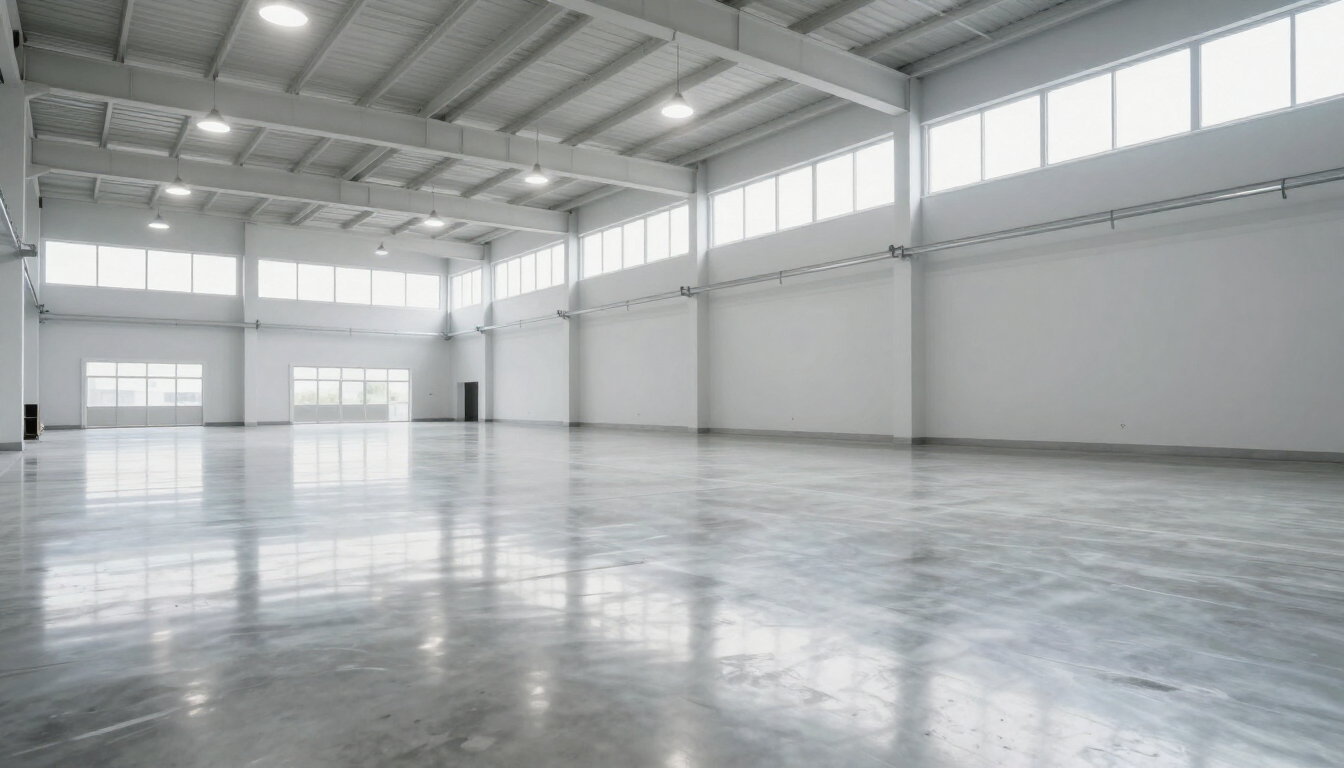
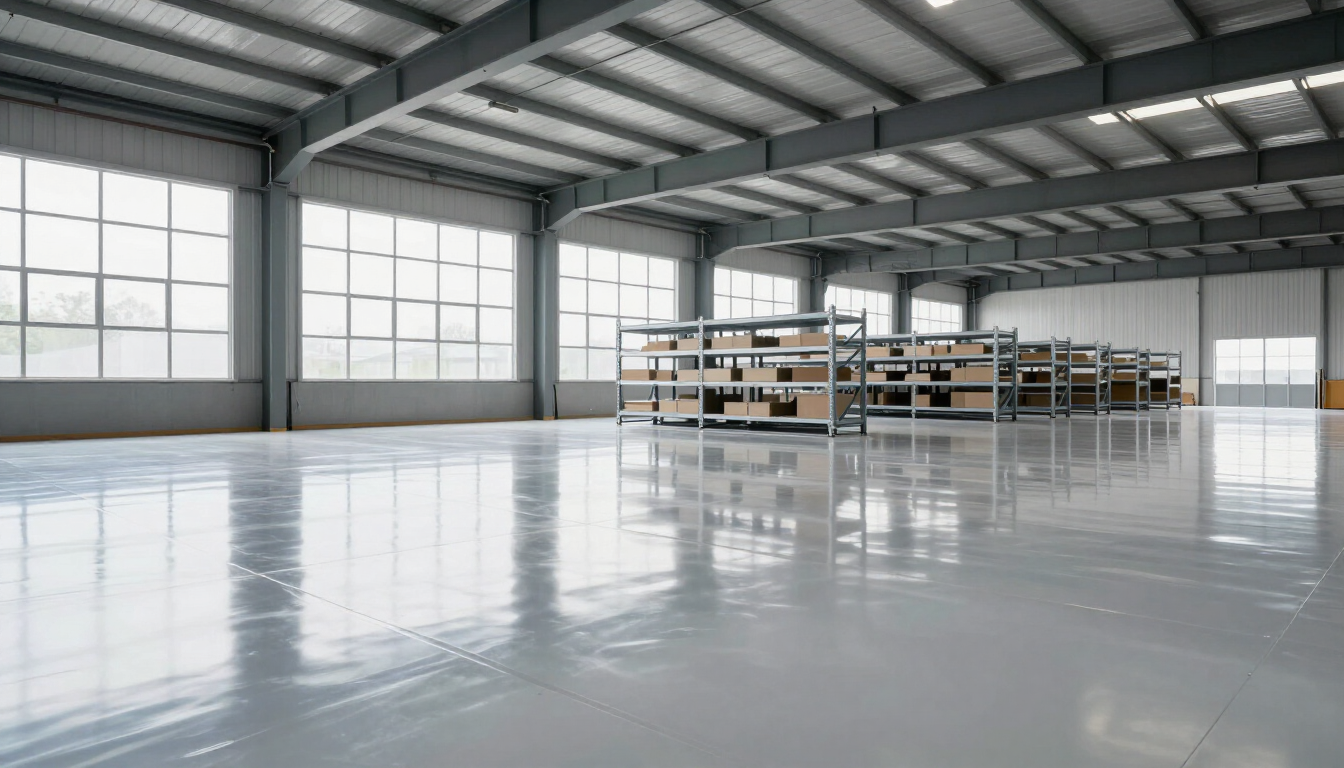
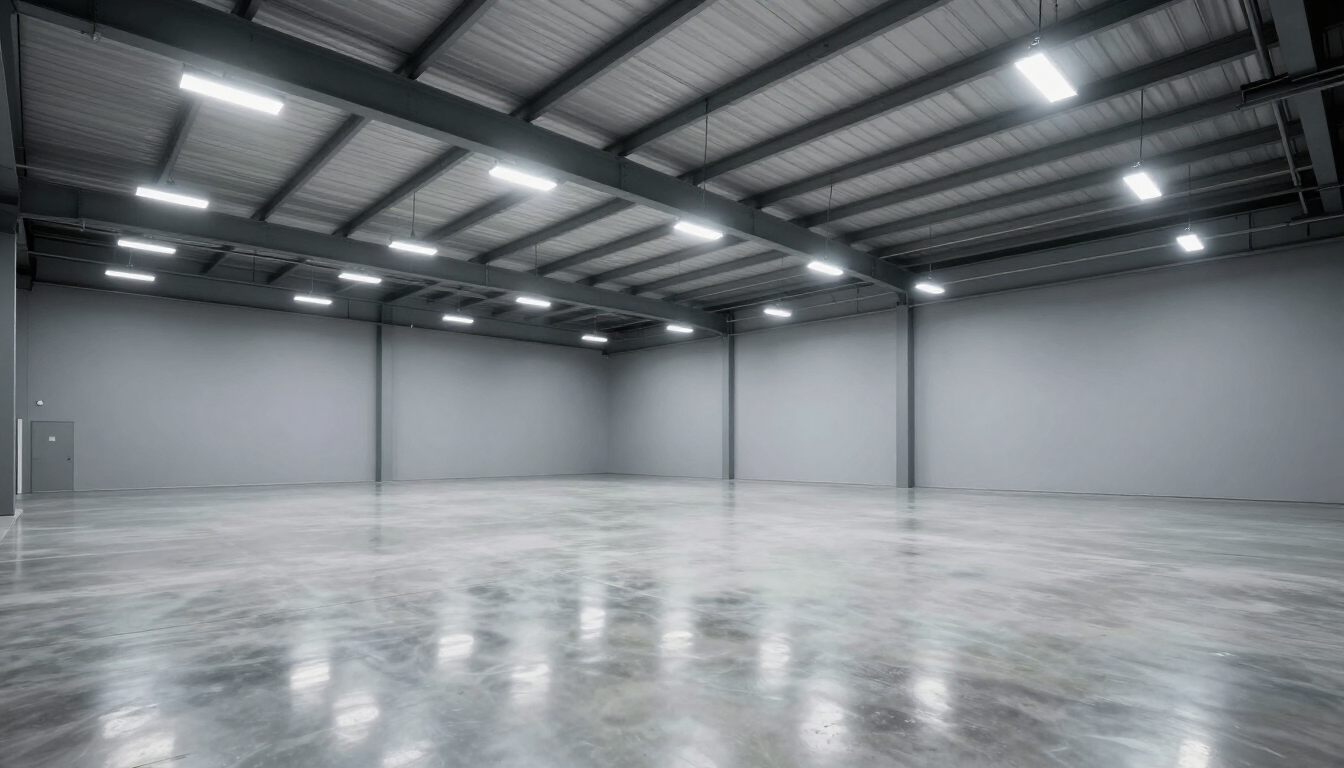
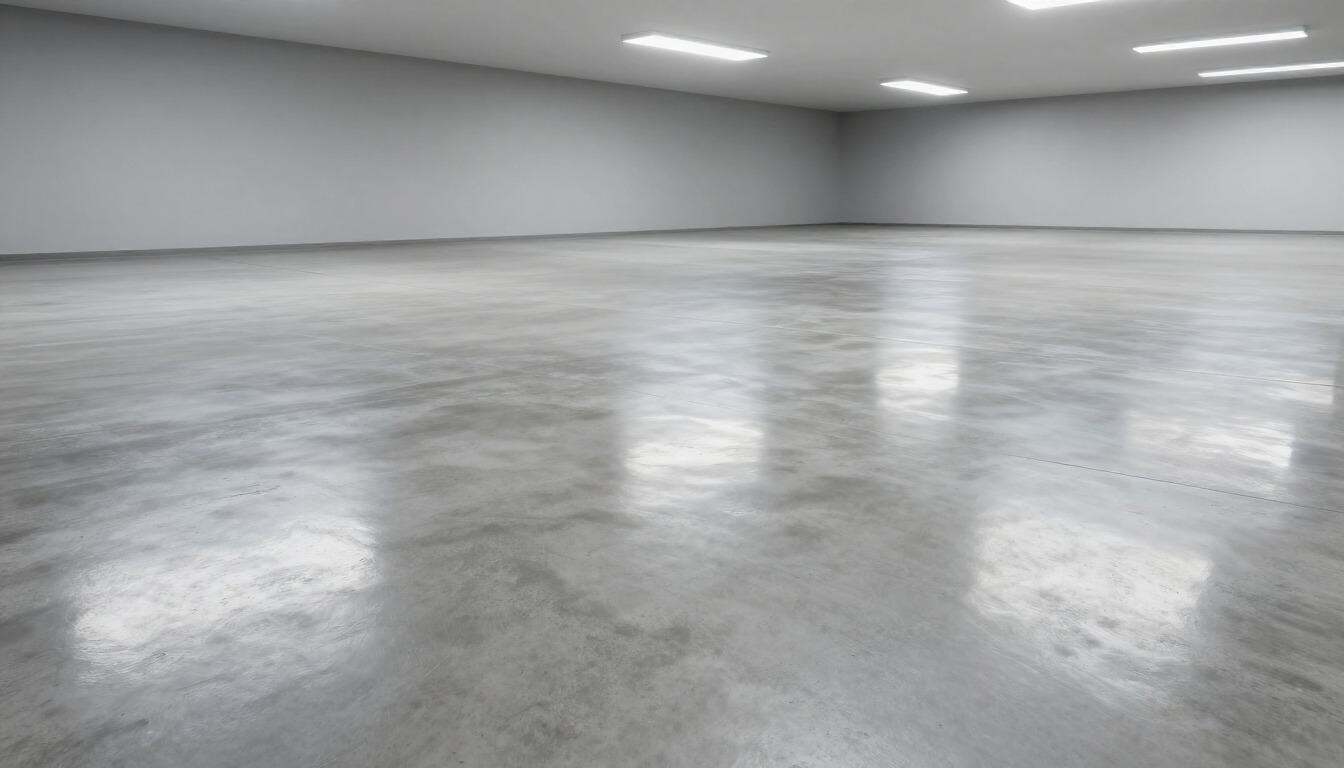
The amount of traffic your floor endures plays a massive role in how fast it wears down. In a high-volume warehouse, the constant friction from forklift tires can literally grind down the surface of unsealed concrete. This is where commercial concrete polishing becomes a preventative hero. A polished floor is much denser and more resistant to the wear and tear of heavy machinery.

Modern polished concrete

If your facility handles heavy loads, you should consider the following durability factors:

  • The PSI rating of the original pour
  • The current thickness of the concrete slab
  • The type of equipment used daily
  • Frequency of heavy chemical spills
  • Environmental temperature fluctuations

How does the cost of restoration compare to replacement?

Cost is usually the deciding factor for most property owners. Commercial concrete floor restoration is significantly more affordable than replacement. When you replace a floor, you aren't just paying for new concrete; you are paying for the demolition of the old floor, the removal of debris, the preparation of the sub-grade, and the long curing time during which your business cannot operate.

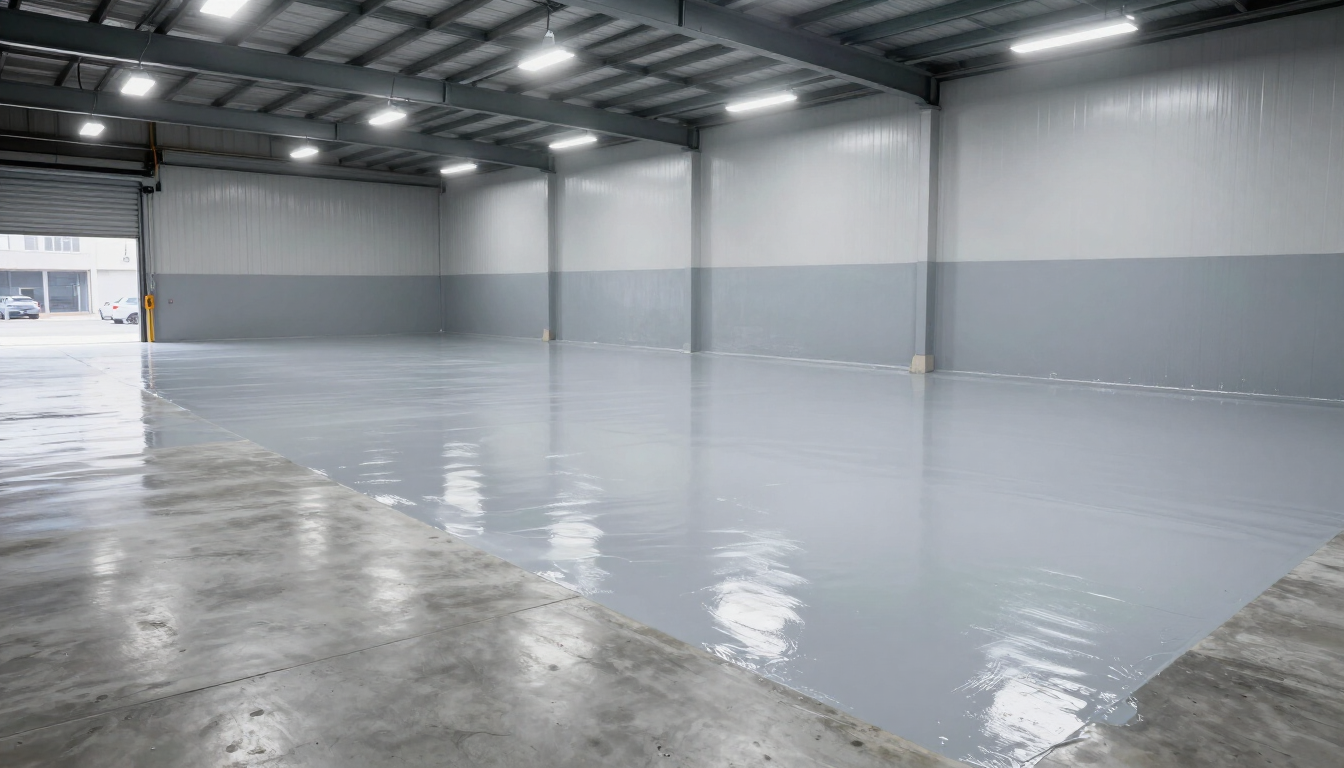
Restoration, on the other hand, utilizes the existing material. By using commercial concrete floor refinishing , you save on material costs and labor. Furthermore, restoration can often be done in sections, allowing your facility to stay partially operational. This reduces the "hidden costs" of downtime that can often exceed the price of the floor itself.

Preparing Your Facility for Floor Work

Regardless of whether you choose a restoration or a full replacement, preparation is key. You need to ensure that the area is clear of machinery, inventory, and debris. At Forge Concrete Surfaces, we work closely with businesses in Phoenixville, PA to coordinate these projects to minimize disruption.

Here is a quick checklist for floor preparation:

  • Clear all movable equipment from the work zone
  • Ensure adequate power supply for grinding machinery
  • Coordinate with staff regarding restricted access
  • Check for any hidden plumbing or electrical lines in the slab
  • Review the safety protocols with your contractor

By following these steps, you ensure that the project—whether it is commercial concrete sealing or a full overhaul—runs smoothly and stays on schedule.

Why local expertise matters for your flooring project

In the Phoenixville, King of Prussia, and Malvern areas, the local climate and soil conditions can affect how concrete ages. Moisture levels in the ground can lead to vapor transmission issues, which might cause coatings to peel if not handled correctly. Working with a family-owned company like Forge Concrete Surfaces means you get local knowledge. We understand the specific challenges faced by businesses in Chester and Montgomery County.

We provide tailored solutions, from commercial concrete staining for retail stores to heavy-duty coatings for industrial plants. Our goal is to transform your worn concrete into a high-performing system that looks professional and lasts for years.

Summary of Key Takeaways

Deciding between restoration and replacement doesn't have to be overwhelming. Keep these points in mind as you evaluate your facility's needs:

  • Restoration is for surface issues: If the damage is aesthetic or minor (stains, light cracks, dullness), restoration is the way to go.
  • Replacement is for structural failure: If the slab is sinking, heaving, or showing deep structural cracks, it needs to be replaced.
  • Costs vary wildly: Restoration is much faster and cheaper, while replacement is a major capital investment.
  • Downtime matters: New concrete takes weeks to fully cure, whereas restored floors are often ready for traffic in days.
  • Professional assessment is vital: Always have an expert inspect the slab before making a final decision.

If you are ready to evaluate your floors, contact us today for a clear estimate and a plan tailored to your facility’s specific demands. Whether you need a simple polish or a complete floor restoration, we are here to help your business stand on a solid foundation.

Recent Posts

High gloss polished concrete floor in a modern Phoenixville warehouse.
June 8, 2026
Compare polished concrete vs. epoxy flooring for your Phoenixville business. Learn about durability, costs, and maintenance to choose the right floor.