Polished Concrete vs. Epoxy: Best Phoenixville Floor

June 8, 2026

Share this article

Choosing between polished concrete and epoxy flooring depends on your environment. Polished concrete is a mechanical process that refines the existing slab for breathability and longevity, ideal for retail and offices. Epoxy is a chemical coating providing a non-porous, protective barrier, best for industrial, chemical, or high-moisture environments.

Selecting the right flooring for a commercial property in Phoenixville or King of Prussia, PA is a significant decision. Your floors are the foundation of your operations, and they need to withstand everything from heavy foot traffic to chemical spills. While both polished concrete and epoxy flooring are popular choices, they serve very different purposes and offer distinct benefits. This guide will help you navigate the "Polished Concrete vs. Epoxy Flooring" debate so you can make an informed choice for your facility.

How does polished concrete compare to epoxy?

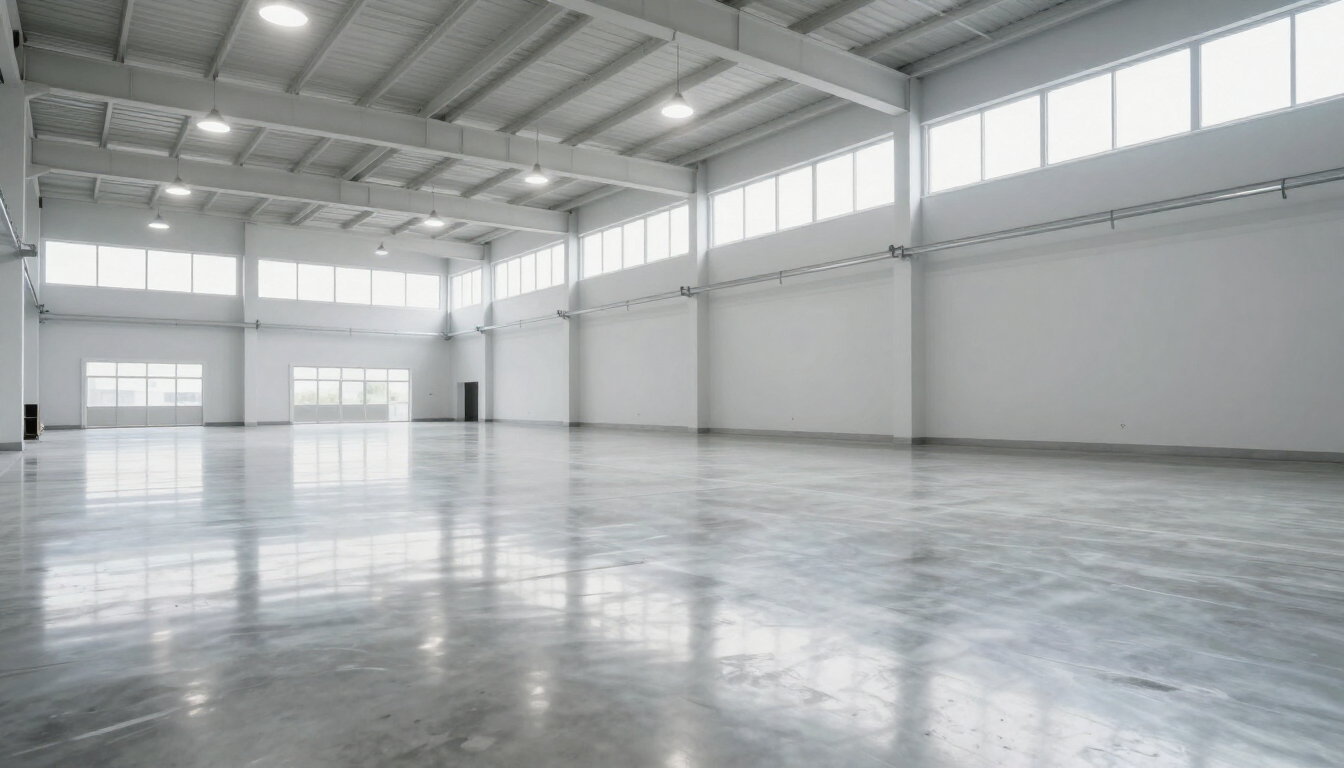
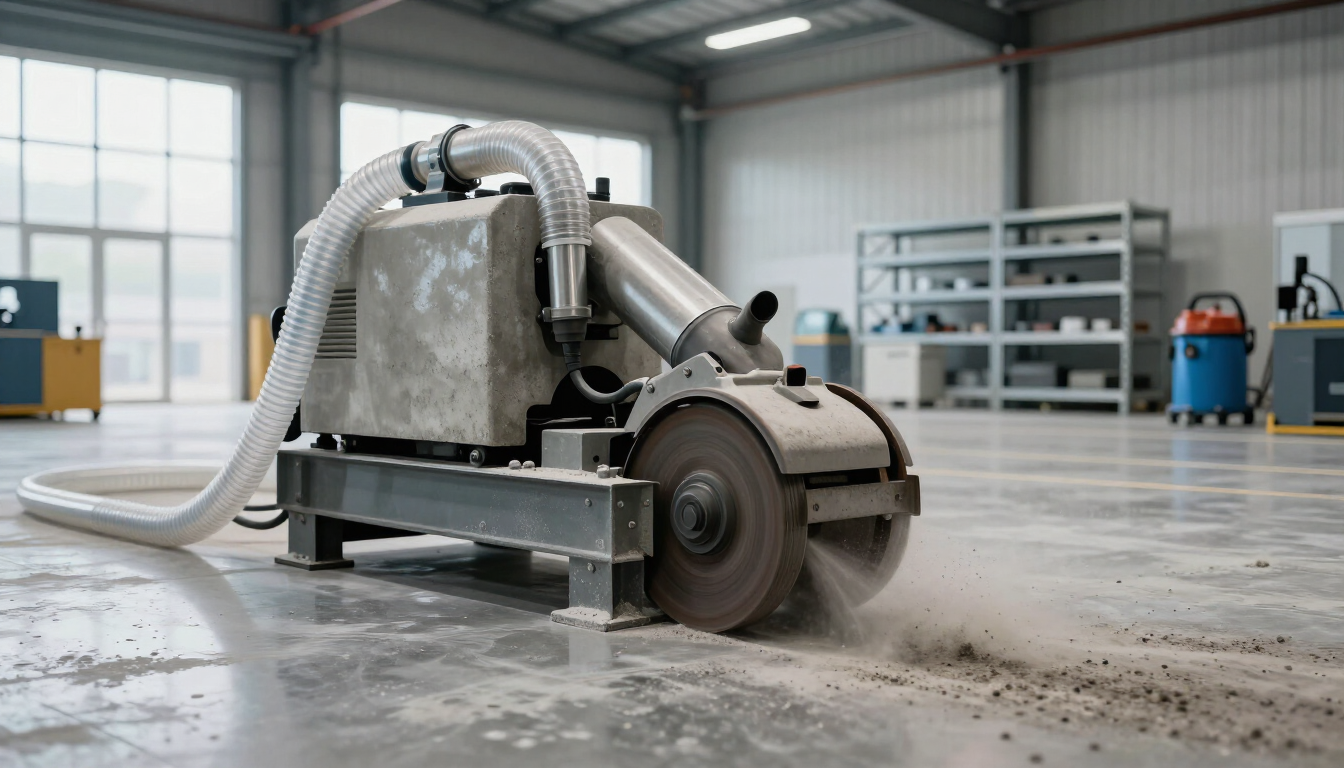
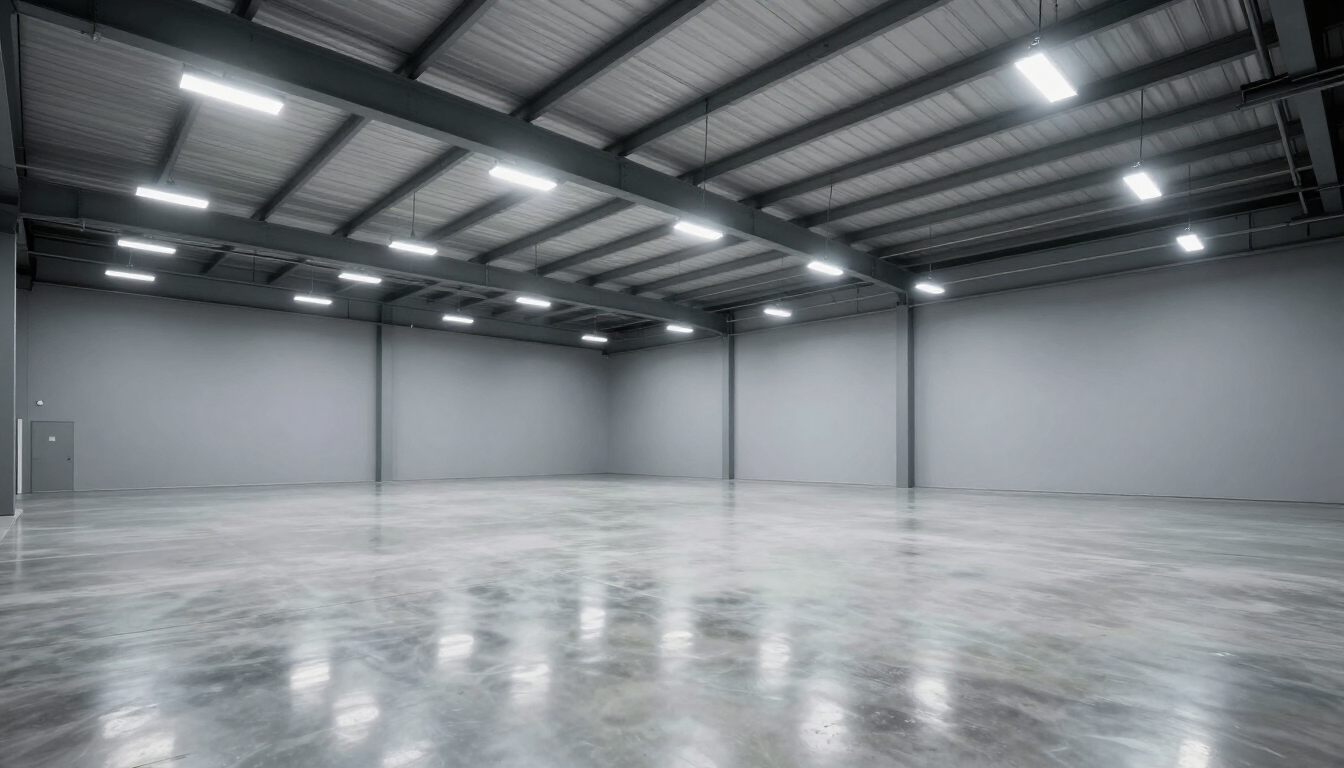
When comparing these two powerhouses, it is helpful to think of polished concrete as an enhancement of the concrete itself, while epoxy is a protective layer added on top. Polished concrete involves a multi-step mechanical grinding and honing process. It uses industrial diamonds to smooth the surface to a specific level of gloss. The result is a floor that is part of the structural slab, meaning it won't peel or flake over time.

On the other hand, epoxy is a resinous coating system. It consists of a resin and a hardener that, when mixed, create a chemical bond with the concrete substrate. This creates a thick, plastic-like surface that can be customized with various colors and textures. While both are incredibly durable, their relationship with the base concrete is fundamentally different. For many Phoenixville, PA business owners, the choice comes down to whether they want to refine what they already have or hide it under a high-performance shell.

Understanding the Polished Concrete Process

Commercial Concrete Polishing is more than just running a sander over a floor. It is a precise art that transforms porous, dull concrete into a dense, light-reflective surface. The process generally follows these steps:

  • Initial grinding to remove surface contaminants and open the concrete.
  • Application of a chemical densifier to harden the surface.
  • Progressive honing with finer diamond grits to achieve the desired shine.
  • Application of a stain protector to help resist liquid penetration.
  • Final polishing and buffing for a mirror-like finish.

This process is highly valued in retail stores, educational facilities, and modern office spaces because it utilizes the existing materials. It is an environmentally friendly option that reduces the need for additional floor coverings. Because the concrete is "breathing," moisture vapor can pass through it without causing the surface to bubble or delaminate, which is a common issue with topical coatings in older buildings.

Which flooring is more durable for heavy traffic?

Both systems excel under pressure, but they handle stress differently. Polished concrete is exceptionally resistant to abrasion and heavy foot traffic. It is the go-to for big-box retailers and showrooms because it doesn't show wear paths as easily as other materials. However, because it is still technically concrete, it remains slightly porous. If a harsh chemical or strong acid is spilled and left to sit, it could potentially etch or stain the surface.

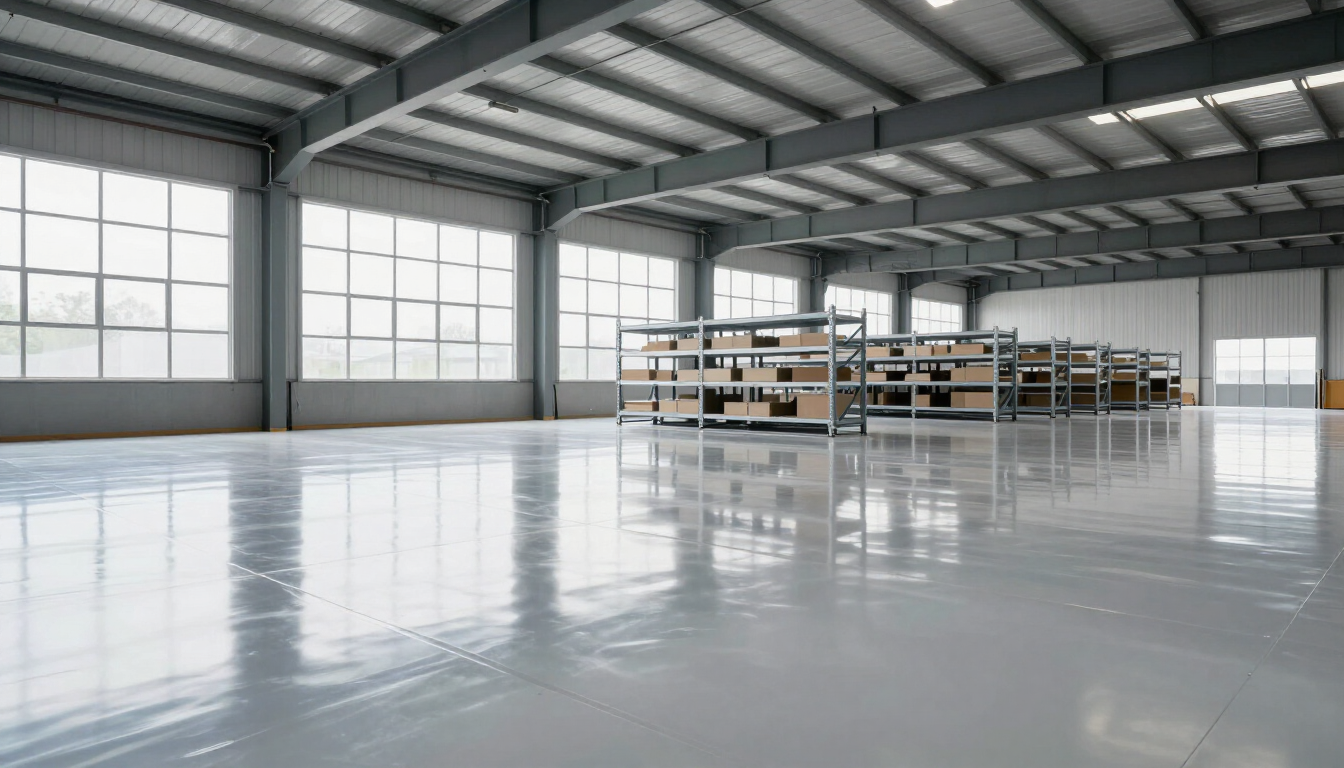
Epoxy flooring is the champion of chemical resistance. Because it forms a seamless, non-porous barrier, it is impervious to oils, chemicals, and most liquids. This makes it the superior choice for automotive shops, laboratories, and food processing plants. In terms of impact resistance, a thick epoxy coating can actually help protect the underlying concrete from damage caused by dropped tools or heavy machinery.

Consider these durability factors for your facility:

  • Resistance to heavy vehicle or forklift traffic.
  • Protection against harsh chemical or oil spills.
  • Ability to withstand frequent high-pressure cleaning.
  • Longevity under constant foot traffic in public spaces.
  • Resistance to scratching or surface etching.

Industrial Strength: The Benefits of Epoxy

While we often discuss Epoxy & Polyaspartic Floor Coatings in residential contexts, their commercial application is where they truly shine. Epoxy systems can be tailored to meet specific safety and operational requirements. For instance, if you run a commercial kitchen or a locker room, we can add slip-resistant aggregates to the epoxy to increase safety in wet conditions.

Furthermore, epoxy is often the only solution for floors that are heavily damaged or have significant imperfections. A high-build epoxy system can level out minor dips and hide cracks that would otherwise be visible in a polished concrete finish. This "masking" ability allows business owners to achieve a uniform, professional look even if the original concrete slab is in poor condition.

What are the maintenance differences?

Maintenance is where many business owners find their deciding factor. Polished concrete is often cited as the lowest-maintenance flooring option available. Daily care usually involves nothing more than a dry dust mop and an occasional damp mop with a pH-neutral cleaner. Because there is no coating to wear away, you don't have to worry about the floor "dulling" in high-traffic zones in the same way a wax-based floor would.

Epoxy floors are also easy to clean due to their seamless nature. You can easily sweep and mop them, and they can even be hosed down in some industrial settings. However, epoxy can lose its luster over time as micro-scratches accumulate from grit and debris. To keep an epoxy floor looking its best, regular Commercial Concrete Floor Maintenance is required, and eventually, a fresh topcoat may be necessary to restore the original shine and protection levels.

Aesthetics and Design Customization

When it comes to looks, both options offer a wide range of possibilities. Polished concrete provides a sophisticated, industrial-chic aesthetic. You can choose the level of aggregate exposure—from a "salt and pepper" look to large stone exposure—and the level of gloss, ranging from a matte finish to a high-reflectivity shine. We can also incorporate concrete stains to add subtle, earthy colors that permeate the surface.

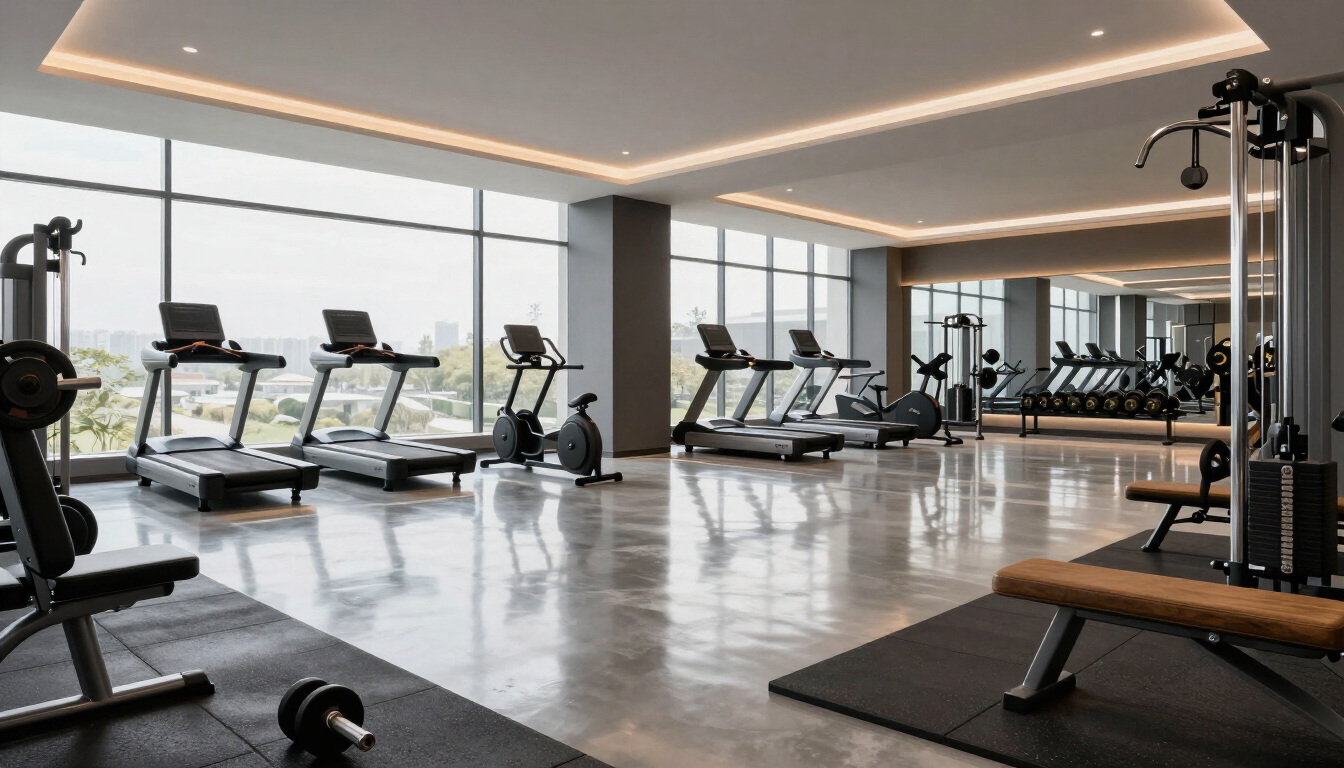
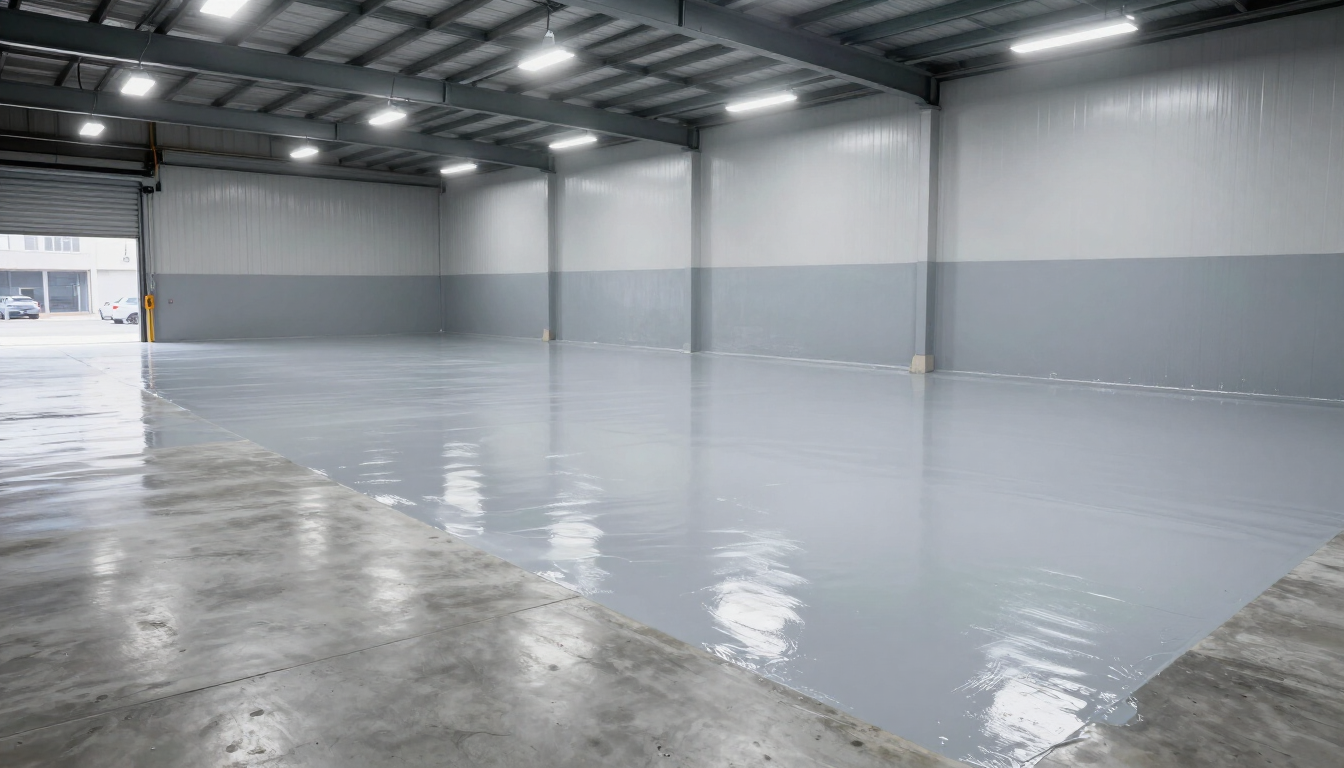
Epoxy offers a different kind of creative freedom. Because it is a coating, we can use vibrant colors, metallic pigments, or decorative flakes to create a floor that stands out. This is particularly popular for gyms, showrooms, and branded retail spaces where color matching is important. Whether you want a solid grey industrial look or a high-end metallic floor that looks like flowing lava, epoxy can deliver.

How do environmental factors affect your choice?

In the Phoenixville area, we deal with varying humidity and temperature shifts. Environmental factors play a huge role in flooring success. Polished concrete is "vapor permeable," meaning it allows moisture from the ground to pass through the slab. If your building has a high moisture vapor emission rate (MVER), an epoxy coating might fail by bubbling or peeling unless a specialized moisture mitigator is used first. Polished concrete avoids this risk entirely.

On the other hand, temperature fluctuations can cause concrete to expand and contract. Epoxy is slightly more rigid than the concrete itself, so in environments with extreme temperature swings, the bond between the epoxy and the slab must be perfect to avoid cracking. Our team at Forge Concrete Surfaces evaluates the specific conditions of your site to ensure that whichever system you choose is installed to last through Pennsylvania's changing seasons.

Selecting the Right Floor for Your Business

To help you decide, ask yourself these five questions:

  • Does the floor need to be completely waterproof and chemical-resistant?
  • Is the current concrete slab in good enough condition to be polished?
  • What is the primary type of traffic (foot, forklift, or heavy machinery)?
  • Do I need specific colors or branding incorporated into the floor?
  • What is my long-term budget for maintenance and recoating?

If you are looking for a classic, durable, and eco-friendly solution for a professional space, polished concrete is likely your winner. If you need a heavy-duty, colorful, and impenetrable barrier for a demanding workspace, epoxy is the way to go. Both choices represent a smart investment in your property's value and functionality.

At Forge Concrete Surfaces, we specialize in helping local businesses find the perfect balance between form and function. Whether you are in a historic building in Phoenixville or a modern facility in Malvern, PA , we provide the expertise needed to transform your floors. Ready to start your project? Contact us today for a professional consultation and estimate. Let’s build a floor that works as hard as you do.

Recent Posts