Garage Floor Coating Options: Best Choice for PA Homes

July 21, 2026

Share this article

Garage floor coating options primarily include epoxy, polyaspartic, and decorative flake systems. While epoxy is cost-effective and tough, polyaspartic coatings offer superior UV resistance and faster curing. For maximum durability and aesthetics in Pennsylvania’s climate, a multi-layered decorative flake system using a polyaspartic topcoat is the most resilient choice.

What are the primary garage floor coating options?

When homeowners in the Greater Philadelphia area look to upgrade their garages, they typically encounter three main categories of floor treatments. Each system has unique chemical properties and performance characteristics that suit different needs and budgets. Understanding these garage floor coating options is the first step toward a successful home improvement project.

Traditional epoxy is perhaps the most well-known option. It consists of a resin and a hardener that, when mixed, create a chemical bond with the concrete. Epoxy is prized for its thickness and ability to level out minor imperfections in the slab. However, it can be sensitive to moisture and UV light, which may lead to yellowing over time if exposed to sunlight.

Polyaspartic coatings are a newer, high-performance alternative. They are essentially a sub-type of polyurea. The main advantage of polyaspartic technology is its rapid cure time and extreme durability. Unlike epoxy, it can be applied in a wide range of temperatures, making it a favorite for Phoenixville, PA residents who want their garage back in service within 24 hours.

Finally, decorative flake systems are multi-layered applications. These systems combine a base coat (often epoxy or polyurea) with vinyl flakes broadcast across the surface, finished with a clear, protective topcoat. This remains the gold standard for residential garages due to its anti-slip properties and visual appeal.

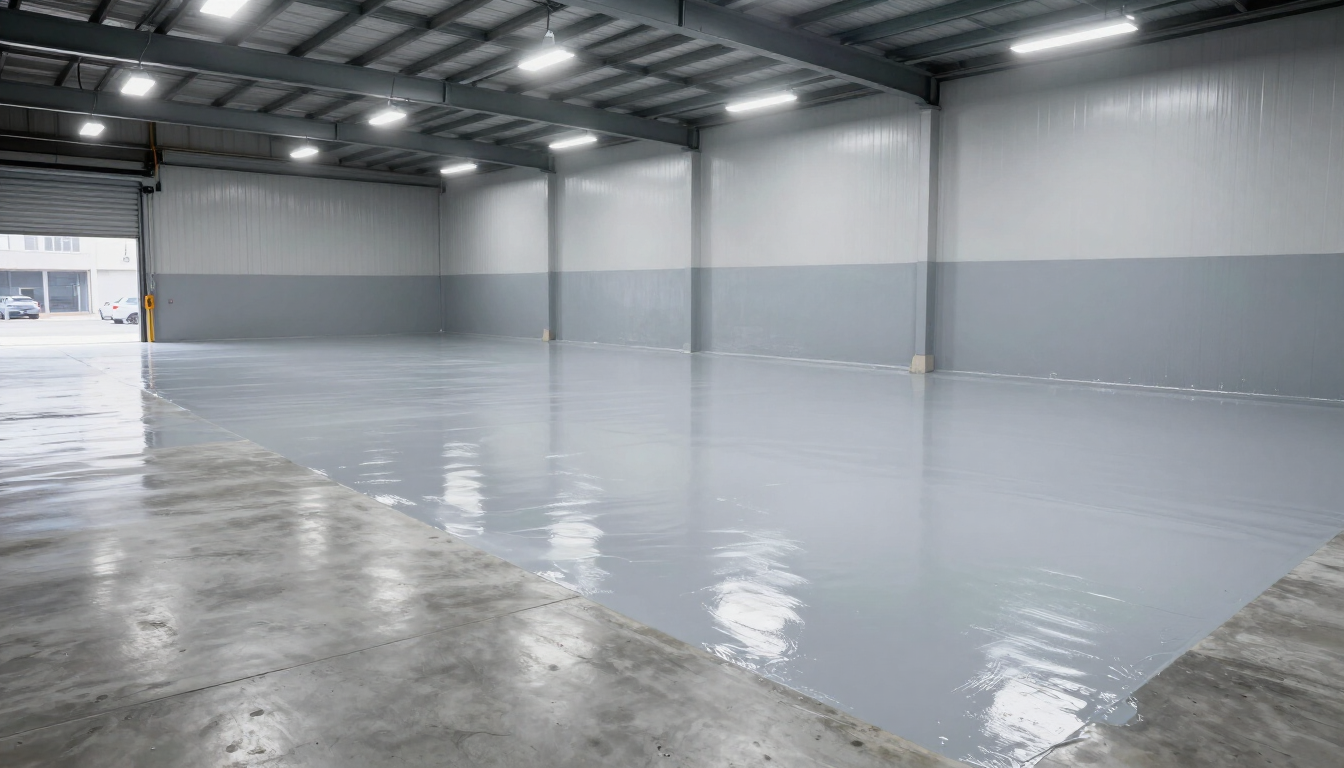
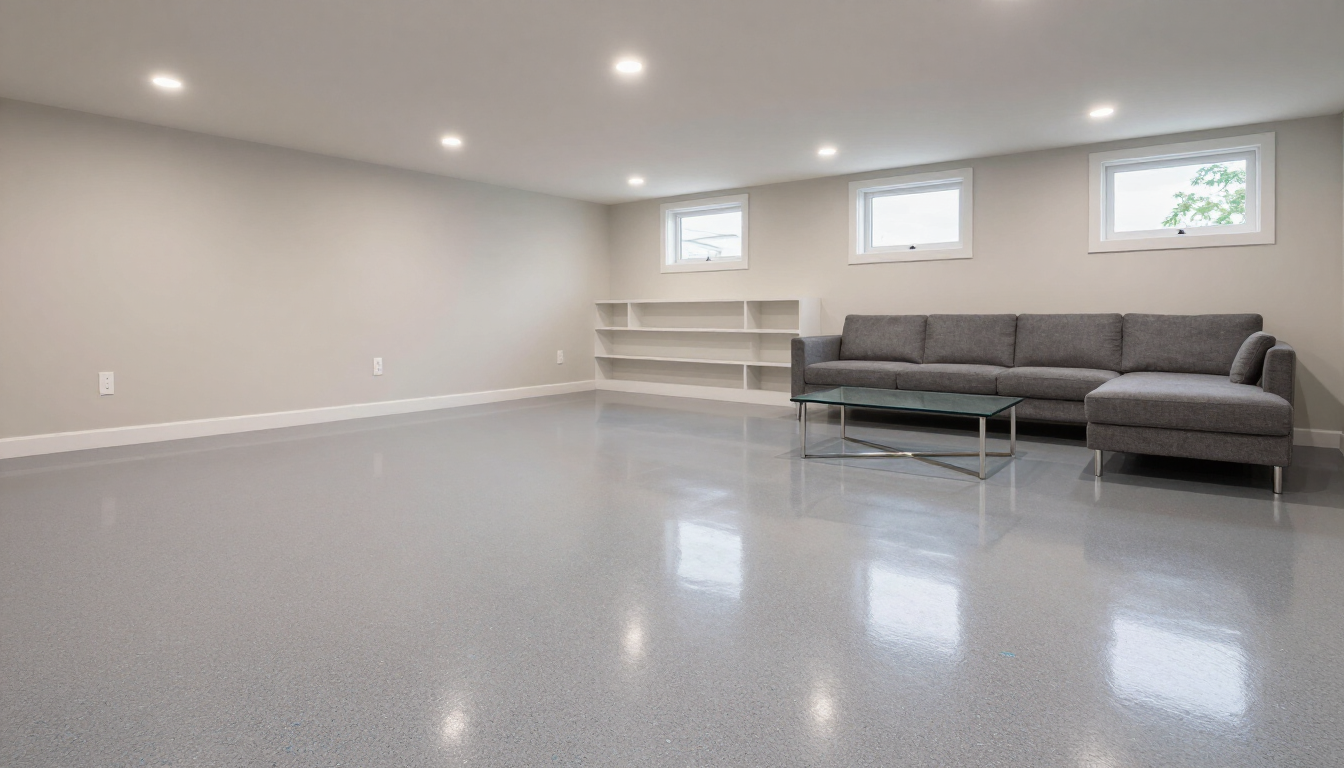
Modern clean garage with shining epoxy floor

Epoxy vs. Polyaspartic: Which is better for Phoenixville?

Choosing between epoxy & polyaspartic floor coatings often comes down to the specific environment of your garage. In Pennsylvania, our floors endure significant stress from road salt, snow melt, and the freeze-thaw cycle.

Epoxy is a rigid material. While it is incredibly strong in terms of compression, it can be brittle. In regions with extreme temperature swings, concrete naturally expands and contracts. If the coating cannot move with the concrete, it may eventually delaminate or crack. Epoxy is excellent for indoor basements or climate-controlled workshops, but it may face challenges in a standard unheated garage.

Polyaspartic coatings, on the other hand, are more flexible. This elasticity allows the coating to bridge small hairline cracks and move with the concrete as temperatures shift. For homeowners in King of Prussia, PA , polyaspartic systems offer several distinct advantages:

  • UV Stability: It won't turn yellow or chalky when the garage door is left open.
  • Chemical Resistance: It stands up better to gasoline, oil, and road salts.
  • Fast Curing: Most polyaspartic floors are ready for foot traffic in hours and vehicles in a day.
  • Temperature Tolerance: Can be installed in the dead of winter or the heat of summer.
  • Higher Bond Strength: Generally offers a stronger mechanical bond to the concrete substrate.

Understanding Decorative Flake Floor Systems

A decorative / flake floor system is more than just a pretty surface; it is a structural enhancement for your concrete. The process involves multiple layers that work together to create a seamless, impenetrable barrier.

First, the concrete is mechanically ground to open the pores. Then, a base coat is applied. While the base coat is still wet, vinyl flakes are broadcast until the floor is completely covered. Once cured, the excess flakes are scraped away, and a high-solids clear coat is applied. This creates a textured surface that provides much-needed traction when the floor is wet from rain or melting snow.

These systems are incredibly popular in West Chester, PA because they hide imperfections in the concrete and mask everyday dirt and debris. Unlike a solid-colored floor, a flake floor maintains a clean appearance even between washes.

Close up of decorative flake concrete floor texture

How long does a garage floor coating last?

The lifespan of a garage floor depends heavily on the quality of the product and the thoroughness of the preparation. A professionally installed polyaspartic or epoxy system can easily last 15 to 20 years with minimal maintenance. In contrast, DIY kits found at big-box stores often begin to peel or "hot tire pick-up" within just two to three years.

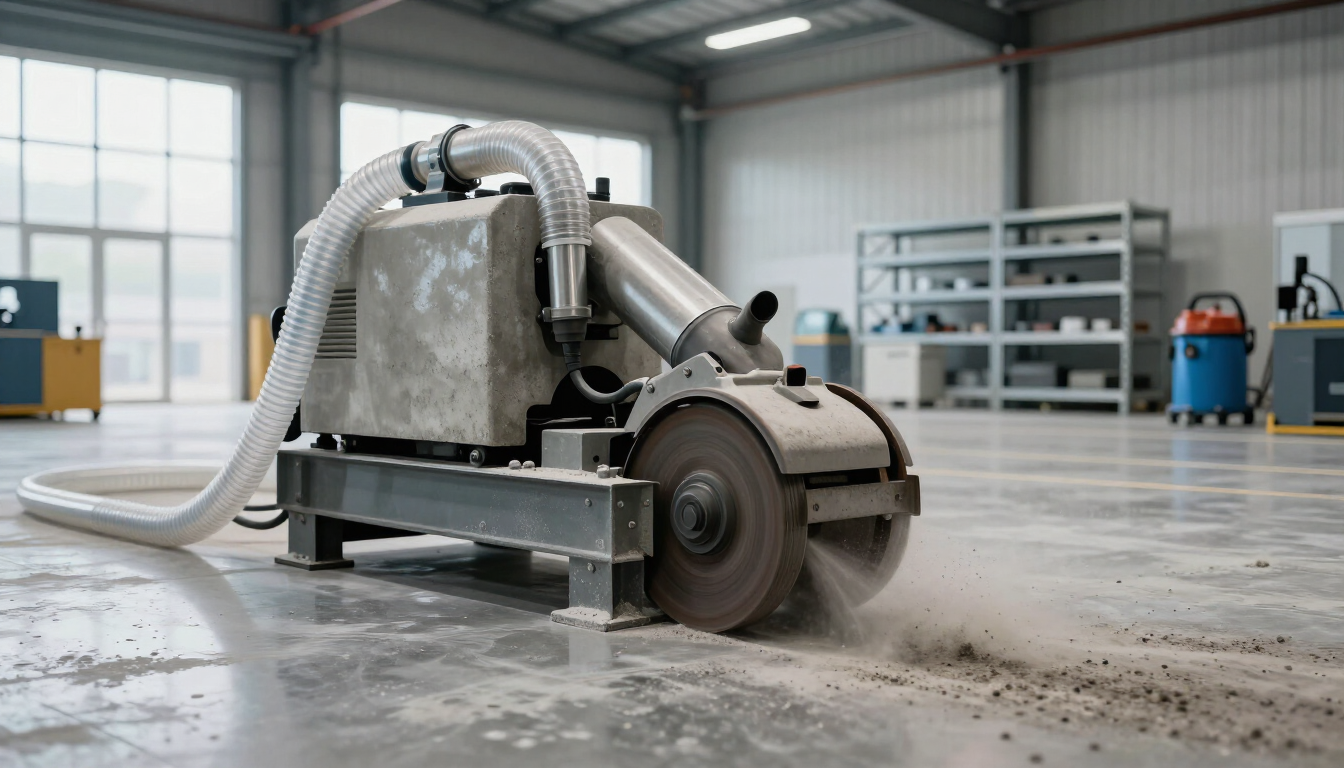
The secret to longevity is the mechanical preparation of the concrete. Forge Concrete Surfaces uses industrial-grade grinders with diamond-segmented blades to remove the "laitance" (the weak top layer of concrete). This creates a profile similar to sandpaper, allowing the coating to sink into the concrete rather than just sitting on top of it.

Several factors influence how long your floor will stay looking new:

  1. Concrete Moisture: High moisture vapor transmission can push a coating off the slab.
  2. Surface Cleanliness: Any oil or grease left behind will prevent a proper bond.
  3. Topcoat Quality: A high-quality UV-resistant topcoat prevents wear and tear.
  4. Usage Patterns: Heavy industrial use vs. light residential storage.
  5. Climate Exposure: Frequent exposure to salt and moisture requires more resilient topcoats.

Why professional installation beats DIY kits

Many homeowners are tempted by the price tag of DIY epoxy kits. However, these kits are often water-based and contain a low percentage of solids. This means that as the coating dries, the water evaporates, leaving behind a very thin film that is susceptible to damage.

Professional contractors use 100% solids materials. When we apply a 10-mil layer of product, it stays 10 mils thick after curing. This thickness is what provides the impact resistance needed to protect your floor from dropped tools or heavy machinery. Additionally, the industrial equipment used by professionals ensures the concrete is properly "profiled," which is the most common point of failure for DIY projects.

By choosing a professional service, you are also getting access to specialized moisture-mitigating primers and high-performance topcoats that simply aren't available to the general public. This investment pays for itself by eliminating the need for a total redo just a few years down the line.

What maintenance is required for coated garage floors?

One of the biggest draws of these garage floor coating options is how easy they are to clean. Because the surface is non-porous, fluids like oil and anti-freeze stay on the surface where they can be easily wiped away.

For routine cleaning, a soft-bristle broom or a leaf blower is usually enough to remove dust and debris. For a deeper clean, a simple solution of warm water and a pH-neutral cleaner (like Dawn dish soap) works wonders. Avoid using harsh acids or citrus-based cleaners, as these can dull the finish of the clear coat over time.

In the winter months, road salt can leave a white film on the floor. A quick mop with a mixture of water and a small amount of white vinegar will neutralize the salt and restore the shine. Because the floor is seamless, there are no grout lines or cracks for dirt to hide in, making your garage feel like a true extension of your living space.

Choosing the right contractor in Chester County

When you are ready to transform your garage, selecting a local, family-owned company ensures you get the attention to detail your home deserves. Forge Concrete Surfaces specializes in both commercial and residential flooring solutions across Phoenixville and the surrounding communities.

We understand the local geology and the specific challenges Pennsylvania weather poses to concrete. Whether you need a simple seal or a full decorative flake transformation, we provide clear estimates and a structured process that minimizes disruption to your daily life.

If you are evaluating your options, we invite you to contact us for a consultation. We can help you weigh the pros and cons of each system based on how you use your garage, whether it's for parking cars, a home gym, or a high-tech workshop.

Summary of Garage Floor Coating Takeaways

Selecting the right garage floor coating requires balancing durability, aesthetics, and your local climate. While epoxy remains a popular choice for its cost-effectiveness, polyaspartic and decorative flake systems offer the best long-term value for Pennsylvania homeowners due to their flexibility and UV resistance.

  • Durability: Polyaspartic systems offer the highest resistance to chemicals and temperature swings.
  • Aesthetics: Decorative flake systems hide dirt and provide a professional, granite-like look.
  • Speed: Professional polyaspartic installations can be completed in as little as one day.
  • Longevity: Mechanical diamond grinding is the essential step for a floor that lasts 15+ years.
  • Safety: Flake systems provide a slip-resistant texture that is vital for wet environments.

Recent Posts

Shiny polished concrete flooring in a Chester County industrial warehouse.
July 6, 2026
Discover why warehouse operators in Chester County choose polished concrete for durable, low-maintenance industrial flooring solutions from Forge Concrete Surfaces.
Polished commercial concrete floor in a warehouse.
June 25, 2026
Learn how to determine if your commercial concrete floor needs restoration or a full replacement. Explore signs of damage, costs, and solutions for Phoenixville warehouses.
High gloss polished concrete floor in a modern Phoenixville warehouse.
June 8, 2026
Compare polished concrete vs. epoxy flooring for your Phoenixville business. Learn about durability, costs, and maintenance to choose the right floor.