Why Warehouses Choose Polished Concrete in 2026
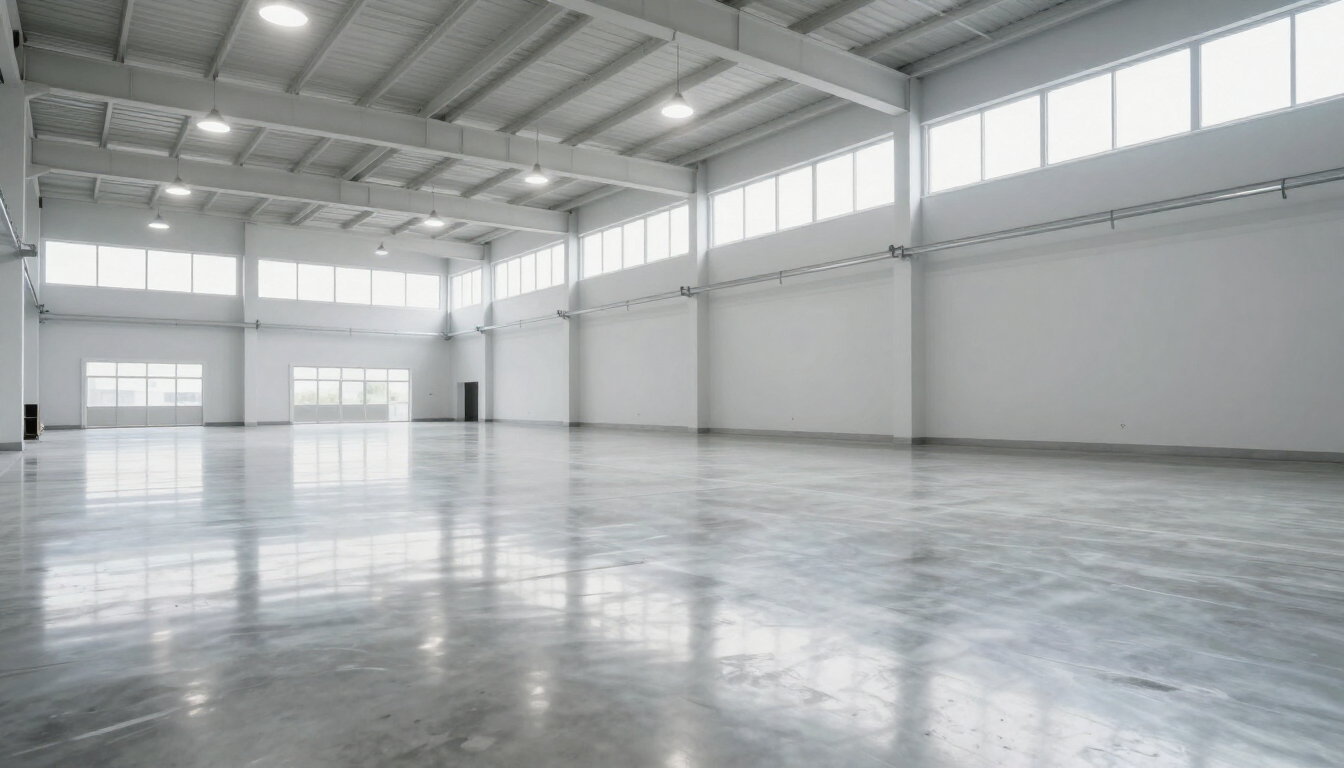
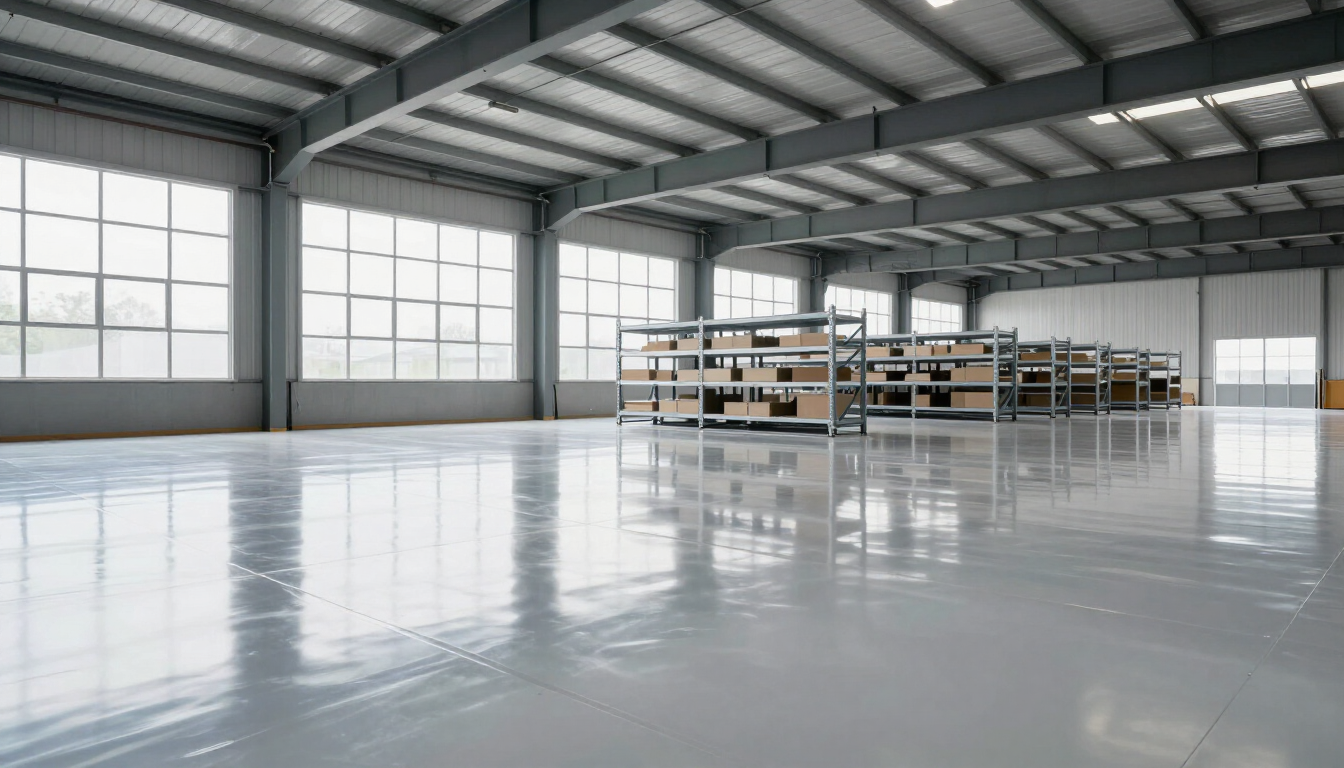
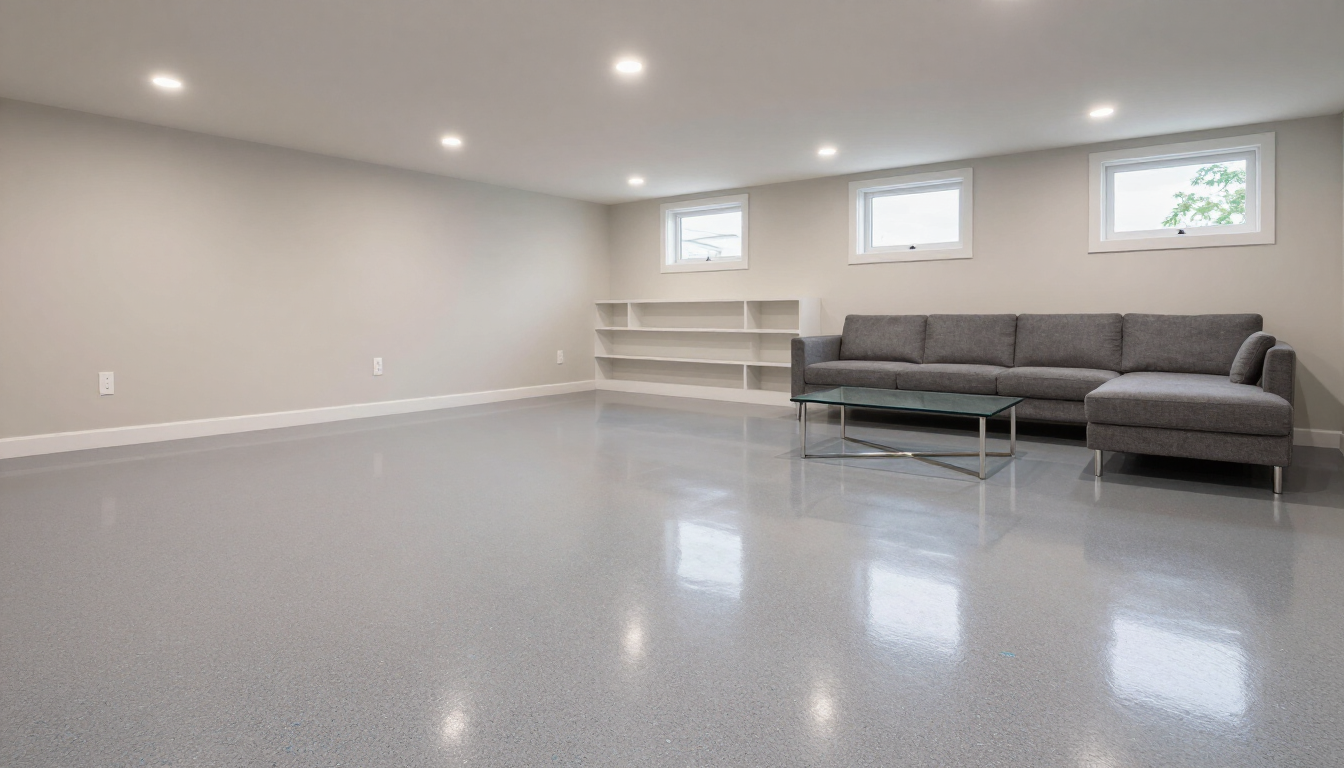
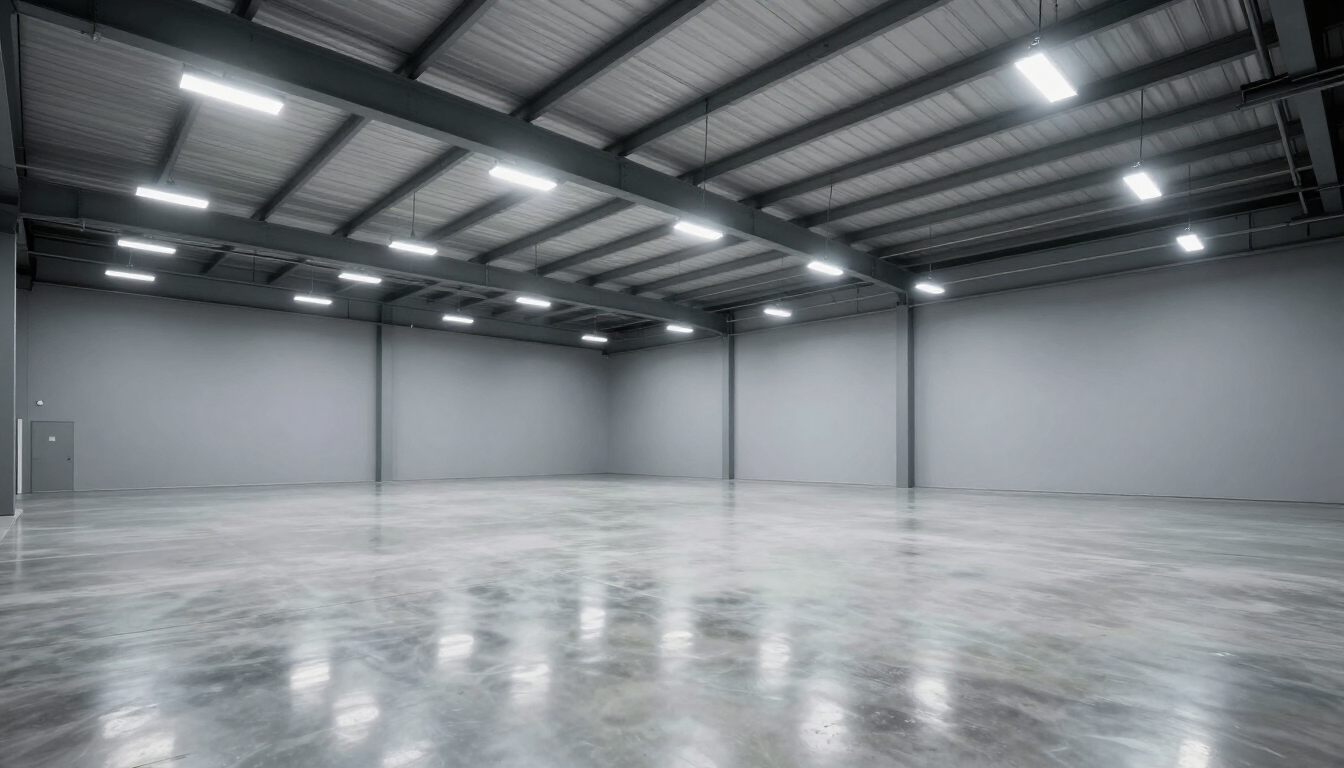
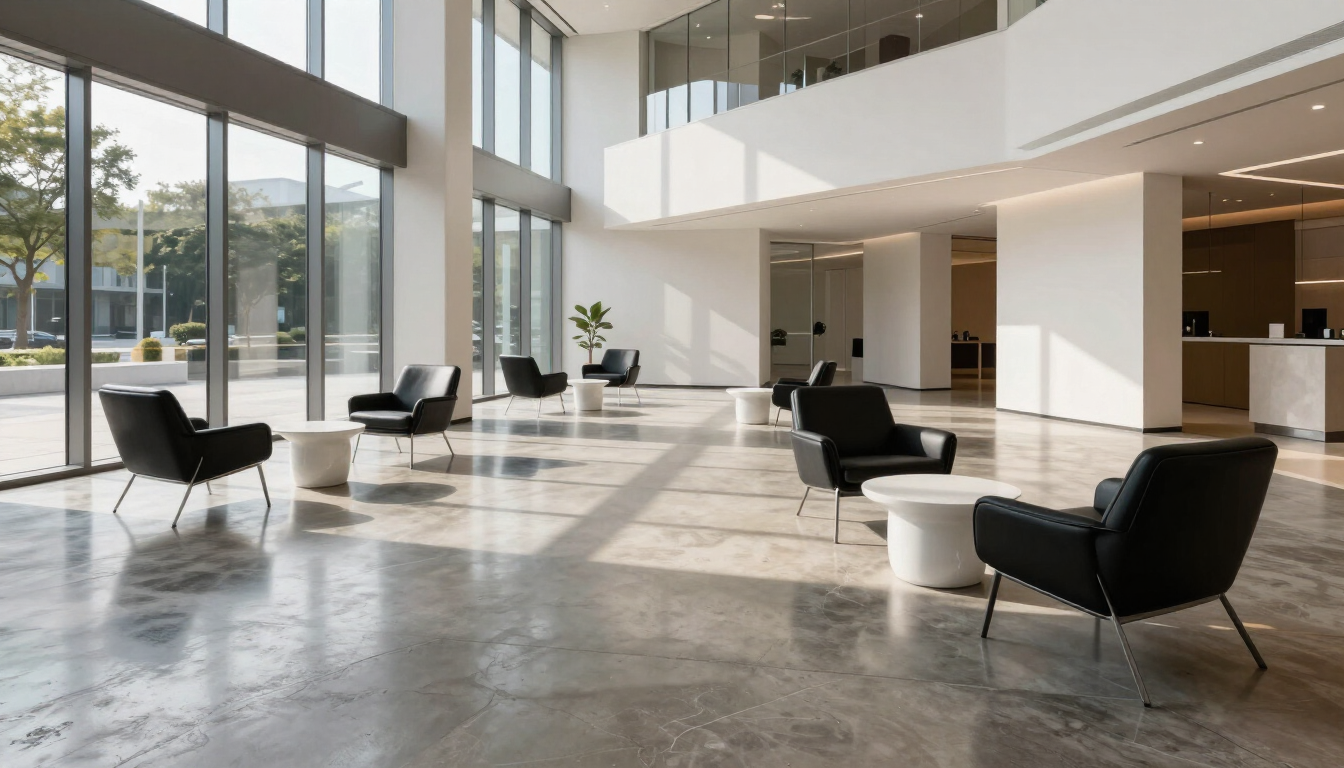
Polished concrete is the preferred choice for warehouses in Chester County because it offers a durable, light-reflective, and low-maintenance surface that withstands heavy forklift traffic. By refining existing slabs through mechanical grinding, facilities achieve a high-performance floor that resists dusting and simplifies daily cleaning routines for long-term operational efficiency.
Why is polished concrete popular in Chester County warehouses?
If you drive through the industrial corridors of West Chester, Malvern, or King of Prussia, you will notice a significant shift in how facility managers approach their flooring. Gone are the days of grey, dusty slabs or peeling grey paint. Today, the standard for a modern distribution center or manufacturing plant is polished concrete . But why the sudden surge in popularity across Chester and Montgomery Counties?
The primary driver is operational efficiency. Warehouse operators are under constant pressure to move goods faster and safer. A floor that is uneven or prone to "concrete dusting"—that fine white powder that settles on your inventory—is a liability. By choosing commercial concrete polishing , businesses are essentially turning their existing structural slab into a finished asset. It’s not an overlay or a temporary fix; it’s a transformation of the material itself.
Furthermore, the local climate plays a role. With our humid summers and salty winters, industrial floors take a beating. Polished surfaces are denser and less porous, making them more resilient to the moisture and chemicals tracked in from the loading docks. For many facility managers in West Chester , this durability translates directly to fewer repairs and lower long-term overhead.
Key Benefits of Industrial Polished Concrete
When we talk to warehouse owners, they usually have three main concerns: cost, safety, and longevity. Polished concrete hits the mark on all three. Because the process utilizes the concrete already in place, the initial investment is often lower than high-end epoxy systems, and the life-cycle cost is unmatched.
Here are some of the most impactful benefits for industrial facilities:
- Enhanced Light Reflectivity: A polished floor reflects overhead lighting, significantly brightening the workspace without increasing energy costs.
- Elimination of Concrete Dusting: The polishing process involves a chemical densifier that seals the pores, preventing the slab from shedding dust onto products and machinery.
- Reduced Tire Wear: The smooth, refined surface is actually gentler on forklift tires compared to rough, unfinished concrete or abrasive coatings.
- Superior Durability: The densified surface is harder and more resistant to impacts, scratches, and the heavy loads common in logistics environments.
- Ease of Cleaning: Without grout lines or peeling paint to worry about, a simple auto-scrub with water and a neutral cleaner is usually all that’s required.
How does polished concrete handle heavy forklift traffic?
In a busy warehouse environment, the floor is the most used piece of equipment in the building. Forklifts, pallet jacks, and heavy machinery are in constant motion. One of the biggest misconceptions about polished concrete is that it might be too slippery or too fragile for these environments. In reality, it is specifically engineered for this kind of abuse.
The process of commercial concrete grinding and polishing actually increases the floor's compressive strength. During the process, we apply a liquid chemical densifier. This chemical reacts with the calcium hydroxide in the concrete to create a harder, more crystalline structure. The result is a floor that doesn't just look pretty; it’s literally tougher than the day it was poured.
For facilities in areas like Malvern , where high-tech manufacturing and pharmaceutical logistics are common, the lack of "vibration" on a polished floor is also a benefit. Unlike tiled floors with grout lines, a polished slab is perfectly smooth. This reduces the wear and tear on forklift suspension systems and prevents the jarring movements that can lead to dropped loads or driver fatigue. It’s a win for both the equipment and the employees.
Maintaining Your Facility’s Concrete Floors
While polished concrete is incredibly low-maintenance, it is not "no-maintenance." To keep that high-gloss finish and ensure the surface remains slip-resistant, a consistent routine is necessary. Most facility managers find that their cleaning budget actually shrinks once they switch to a polished system because they no longer need to strip and wax floors annually.
Daily maintenance usually involves a dust mop to remove abrasive sand and debris that can dull the shine over time. For larger areas, an automatic scrubber equipped with soft pads and a pH-neutral cleaner is the gold standard. We often recommend a specialized commercial concrete floor maintenance program for high-traffic zones. This might include periodic "burnishing" with a high-speed machine to pop the shine back into the floor and keep it looking professional for clients and inspectors alike.
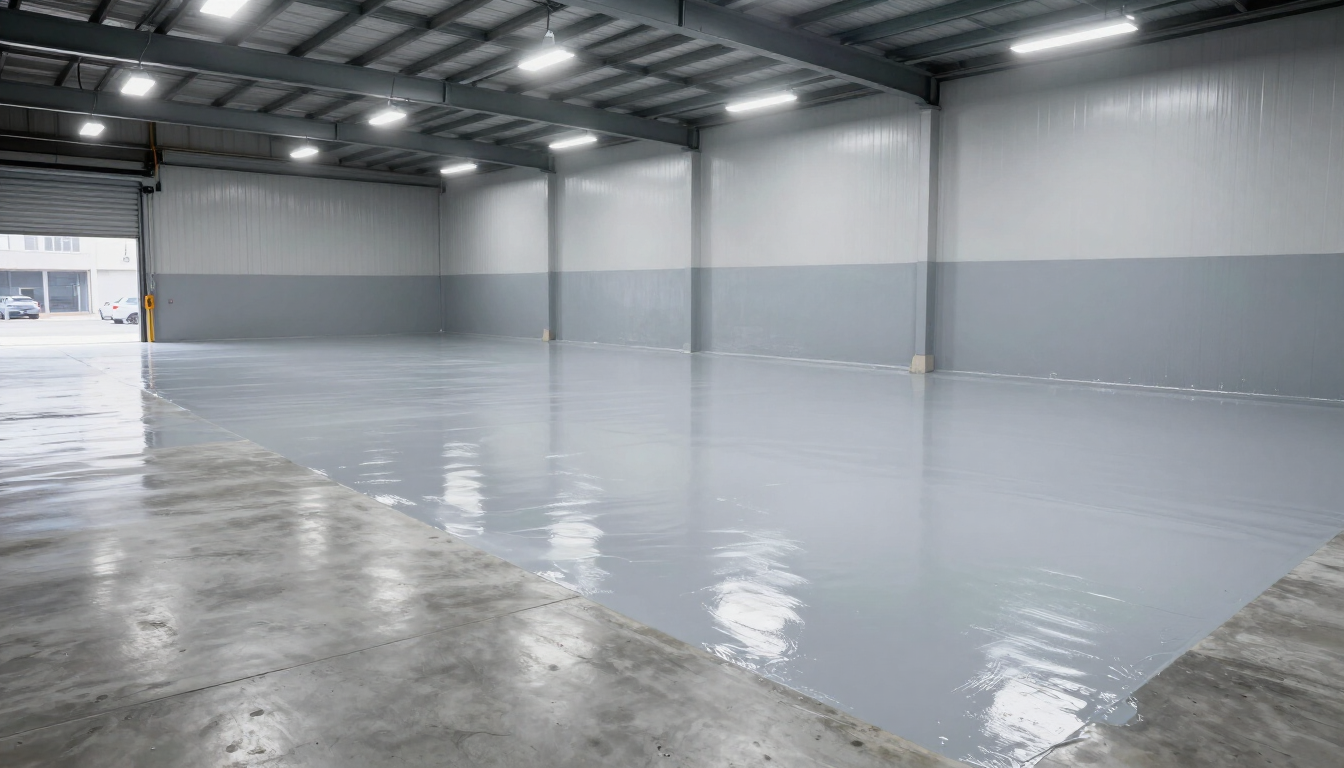
If your floor has seen better days, don't worry. Even older slabs that have been covered by carpet or old epoxy can often be brought back to life through commercial concrete floor restoration . We can remove old adhesives, patch cracks, and grind away stains to reveal a fresh surface ready for polishing.
What is the process for polishing a warehouse floor?
Understanding the steps involved can help you plan your facility's downtime. Unlike some coatings that require days of curing and off-gassing, the polishing process is mechanical and often allows for immediate foot traffic. At Forge Concrete Surfaces, we follow a rigorous multi-step process tailored to the specific condition of your slab.
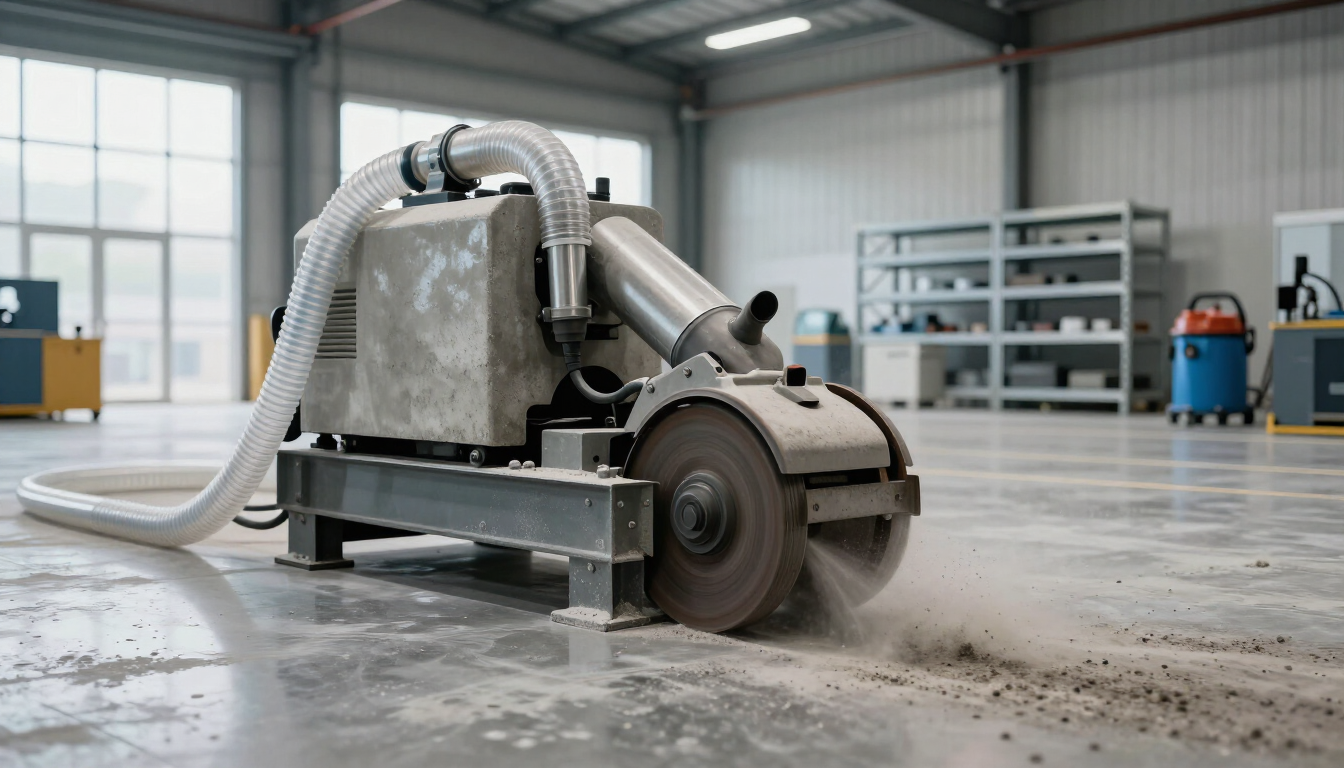
- Initial Grinding: We use heavy-duty planetary grinders with diamond-segmented abrasives to remove surface imperfections and open up the concrete's pores.
- Honing: We move to finer grit diamonds to smooth out the scratches from the initial grind, gradually increasing the level of refinement.
- Densification: We apply a liquid densifier that penetrates the surface, creating a chemical bond that hardens the concrete and makes it dust-proof.
- Polishing: We continue with progressively finer resin-bond diamonds until we reach the desired level of sheen—from a matte finish to a high-gloss mirror effect.
- Sealing/Guarding: A final protective "guard" is often applied and burnished into the surface to provide extra resistance against spills and oils.
This process is relatively clean, as modern equipment utilizes high-efficiency vacuums to capture dust at the source. This is a critical factor for warehouses that are already operational and cannot afford to have dust settling on their inventory during the renovation.
Choosing a Concrete Contractor in Phoenixville
When it comes to your warehouse floors, experience matters. You need a partner who understands the logistics of a working facility. As a family-owned company based right here in Phoenixville, we take pride in helping our neighbors in the Chester and Montgomery County areas. We aren't just looking to finish a job; we’re looking to provide a floor that will serve your business for the next twenty years.
Choosing a local contractor means you get a team that is familiar with the local soil conditions and common concrete mix designs used in our area’s construction. Whether you are in a brand-new facility in Exton or an older industrial park in Phoenixville, we have the tools and the expertise to handle the job. If you’re ready to discuss your project, the best first step is to contact us for a clear, honest estimate. We can walk your facility, assess the current state of your concrete, and provide a roadmap for your floor’s transformation.
Is polished concrete right for your industrial facility?
Deciding on a flooring system is a major capital improvement decision. If your priority is a floor that is cost-effective, incredibly durable, and looks professional, then polished concrete is likely your best bet. It is the only flooring option that actually improves the structural integrity of your building's foundation while providing a high-end aesthetic.
In the competitive landscape of Chester County logistics, every advantage counts. A brighter, cleaner, and safer warehouse isn't just a luxury—it’s a prerequisite for modern business. By investing in your floors today, you are setting your facility up for success, reducing your maintenance burden, and creating a better environment for your team. Whether you are managing a 5,000-square-foot workshop or a 200,000-square-foot distribution center, the benefits of polishing are clear.
Summary of Key Takeaways:
- Durability: Polished concrete withstands heavy forklift traffic and resists the "dusting" common in unfinished slabs.
- Cost Savings: Lower maintenance requirements and increased light reflectivity lead to significant long-term savings on energy and cleaning.
- Safety: The process creates a smooth, slip-resistant surface that improves visibility and reduces equipment wear.
- Local Expertise: Partnering with a Phoenixville-based specialist ensures your floor is handled with the care of a family-owned business.
- Eco-Friendly: By utilizing the existing slab, polishing is one of the most sustainable flooring options available for industrial use.