5 Reasons Basement Floor Coating Wins in Phoenixville
Basement floor coating in Phoenixville involves applying industrial-grade epoxy or polyaspartic resins to concrete surfaces. Unlike paint, these coatings create a non-porous, chemically bonded layer that prevents moisture penetration, eliminates concrete dusting, and resists impacts, making them the superior choice for durable, long-lasting Pennsylvania basement transformations.
Why is basement floor coating essential for Phoenixville homes?
For many homeowners in Phoenixville, the basement is more than just a storage area; it is a critical part of the home's structural health and potential living space. However, Pennsylvania’s unique climate—characterized by high humidity and significant seasonal temperature fluctuations—presents major challenges for unfinished concrete. Bare concrete is naturally porous, acting like a hard sponge that absorbs moisture from the ground. This leads to "efflorescence," the white, powdery salt deposits often seen on basement floors, and creates a damp environment where mold and mildew thrive.
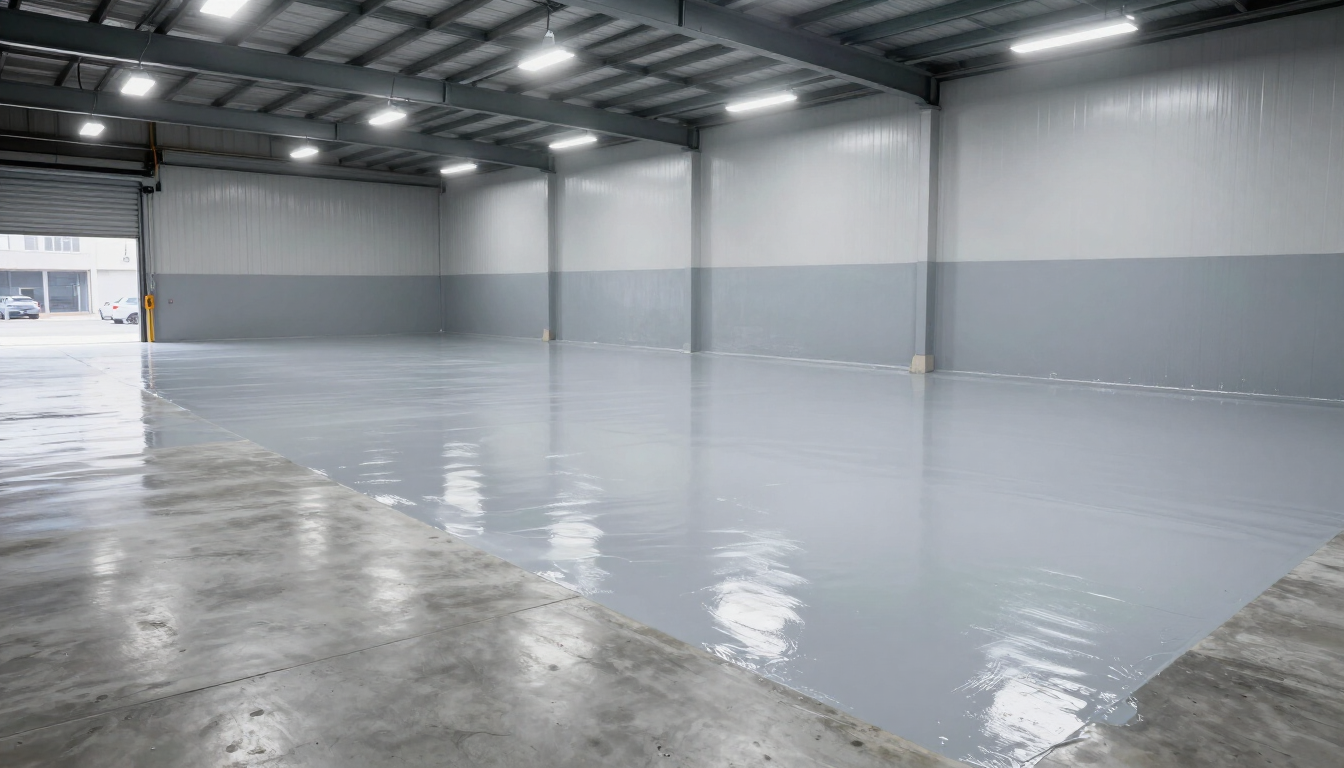
Installing a high-quality Basement Floor Coating is essential because it seals these pores. In regions like Wayne, PA and Malvern, PA , where older homes often have varying concrete quality, a professional coating provides a uniform, protective barrier. This barrier prevents hydrostatic pressure from pushing moisture through the slab, protecting your belongings and improving indoor air quality. Without this protection, your basement remains a source of dust and humidity that can migrate into the upper levels of your home.
Furthermore, a coated floor is significantly easier to maintain. Unfinished concrete continuously sheds fine particles—a process known as dusting. This dust settles on everything from HVAC filters to holiday decorations. By choosing professional Residential Concrete Coatings , you encapsulate the concrete, ending the dusting cycle and making the space feel like a clean, integrated part of your residence.
Why standard floor paint fails in Pennsylvania basements
Many homeowners attempt to improve their basements using DIY floor paint or "big-box store" epoxy kits, only to see the finish peel away within a year. The reason for this failure is simple: adhesion. Standard floor paint is a topical film that sits on the surface of the concrete rather than bonding with it. In a basement environment, moisture vapor is constantly moving upward through the concrete slab. When this vapor hits the underside of a paint layer, it builds pressure until the paint bubbles, cracks, and eventually flakes off.
Additionally, paint is thin and brittle. It cannot withstand the expansion and contraction of concrete during Pennsylvania winters, nor can it resist the abrasion of moving furniture or foot traffic. Most DIY kits also lack the necessary solids content to fill small cracks or level out minor imperfections in the floor. Professional-grade coatings, however, are designed to penetrate the concrete’s surface profile, creating a mechanical bond that is virtually impossible to strip away without industrial equipment. While paint is a temporary aesthetic fix, a professional coating is a permanent structural improvement.
Epoxy vs. Polyaspartic: Which is better for your basement?
When evaluating Epoxy & Polyaspartic Floor Coatings , it is important to understand that both have a place in residential applications, but they offer different performance characteristics. Epoxy has long been the gold standard for its incredible bond strength and thickness, making it excellent for leveling out older, pitted floors often found in historic Phoenixville homes. However, traditional epoxy can be prone to yellowing if exposed to sunlight and takes longer to cure.
Polyaspartic coatings, on the other hand, are a newer technology that offers several distinct advantages:
- Rapid Cure Time: Most polyaspartic systems can be installed and walked on within 24 hours.
- Extreme Durability: It is significantly more flexible than epoxy, allowing it to move with the concrete without cracking.
- UV Stability: Unlike epoxy, polyaspartic will never turn yellow or amber over time.
- Superior Adhesion: It penetrates deeper into the concrete pores for a long-lasting bond.
- Temperature Tolerance: It can be applied in much colder or hotter temperatures than epoxy.
In most residential basements, a hybrid system is often the best approach. This typically involves an epoxy base coat for maximum adhesion and thickness, followed by a polyaspartic topcoat for durability and chemical resistance. This combination ensures that your Decorative / Flake Floor Systems look beautiful and remain functional for decades, regardless of how you use the space.
The long-term benefits of professional concrete coatings
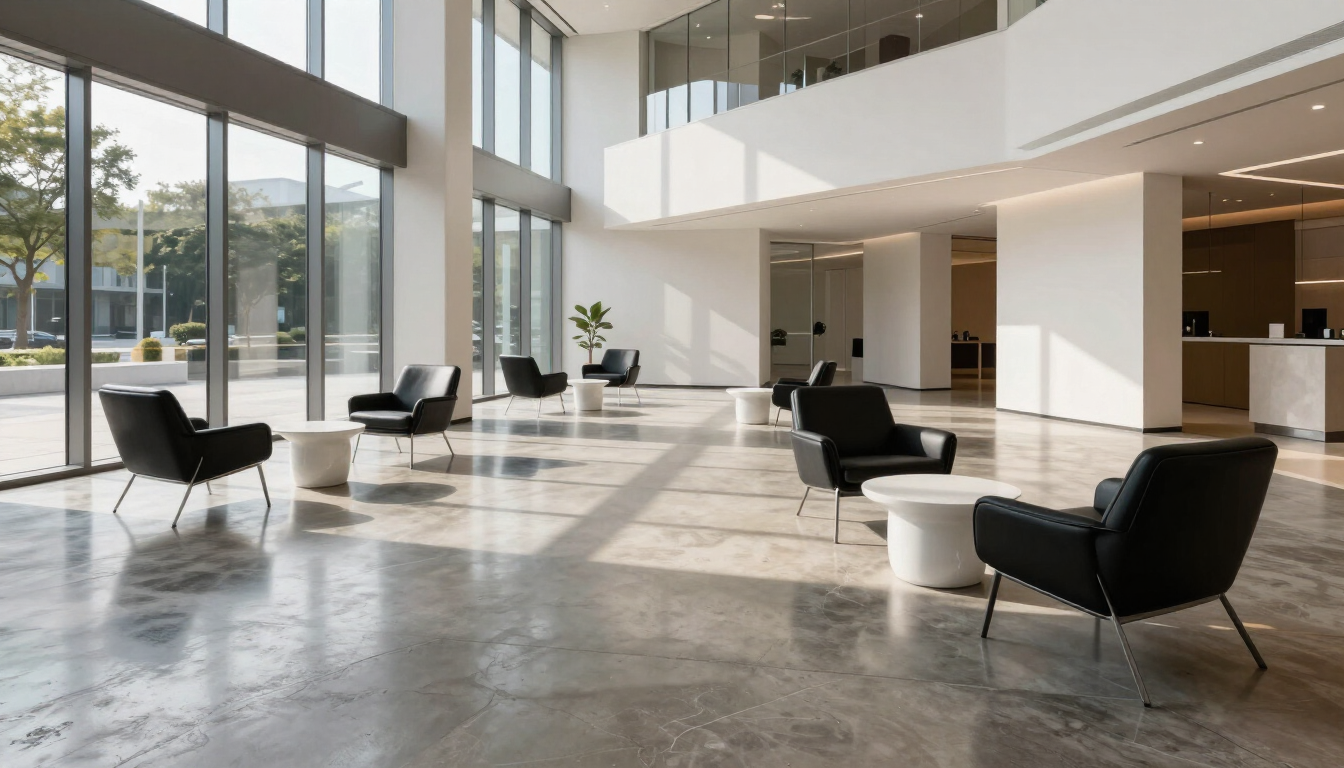
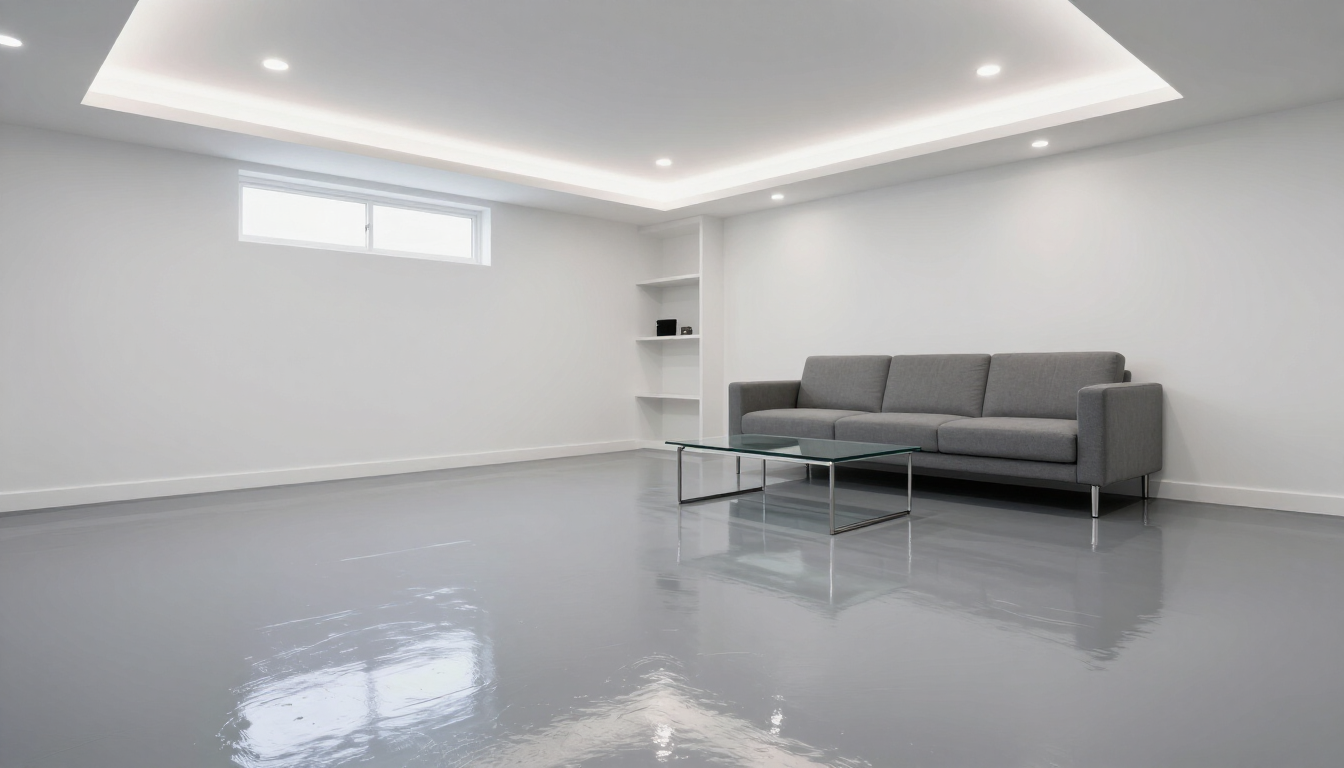
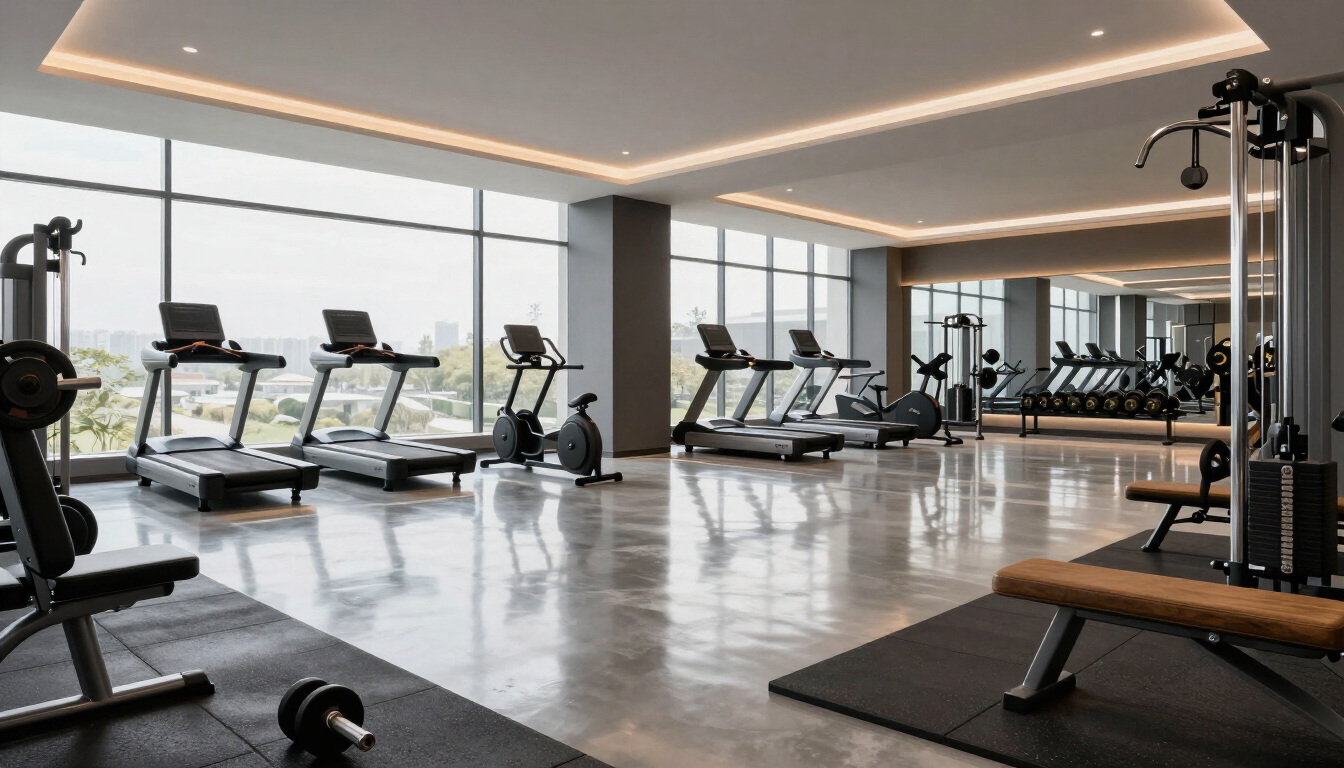
Investing in a professional basement floor coating provides returns that go far beyond aesthetics. One of the most significant benefits is the increase in home value. A finished, coated basement floor makes the space feel "move-in ready" and suggests to potential buyers that the home has been well-maintained and protected from moisture issues. It effectively turns a utility room into a versatile living area, whether you intend to use it as a home gym, office, or playroom.
Safety is another major factor. Bare concrete can be slippery when damp and often hides trip hazards like small cracks or uneven joints. Professional coatings can be customized with anti-slip additives—typically small translucent beads or flakes—that provide traction without sacrificing the floor's sleek appearance. This is particularly important for families with children or elderly residents in the Phoenixville area. Furthermore, the light reflectivity of a glossy or satin coating can brighten a dark basement, reducing the need for excessive artificial lighting and making the environment more inviting.
How does the basement floor coating process work?
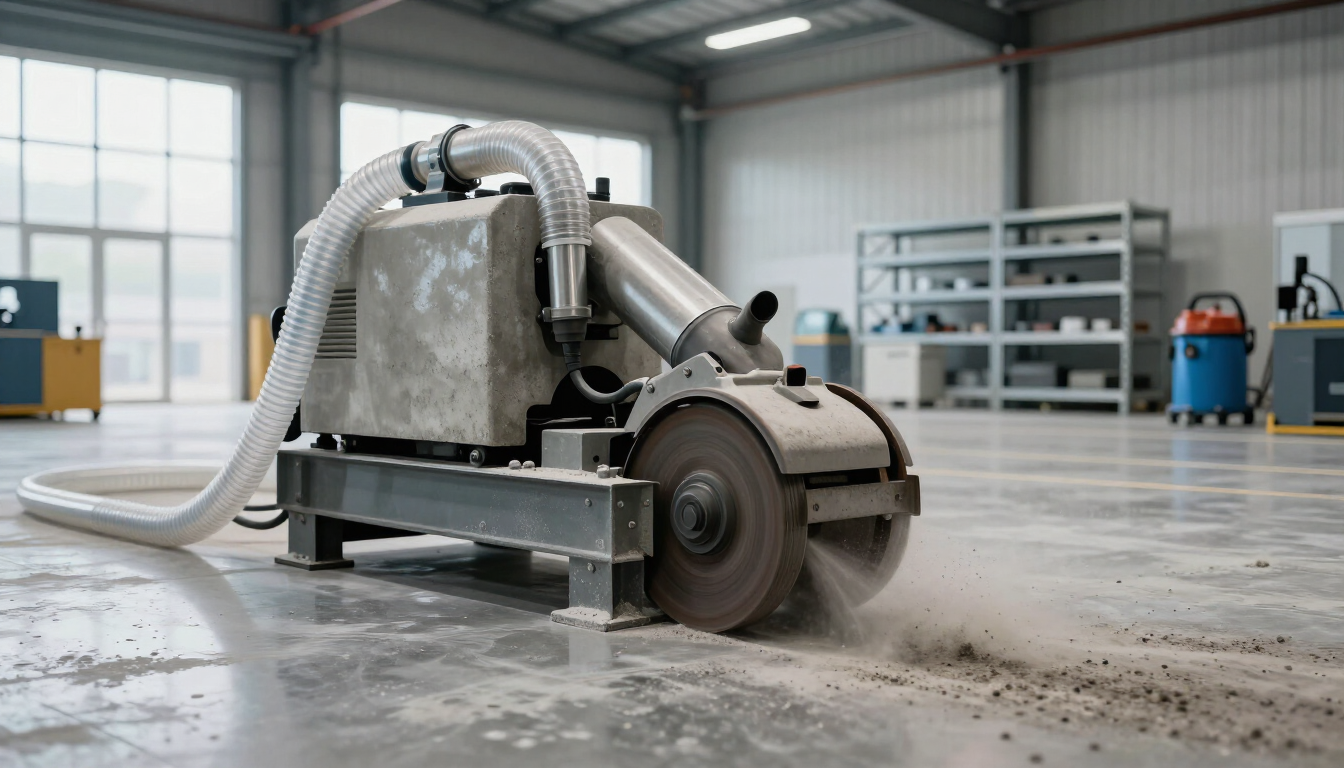
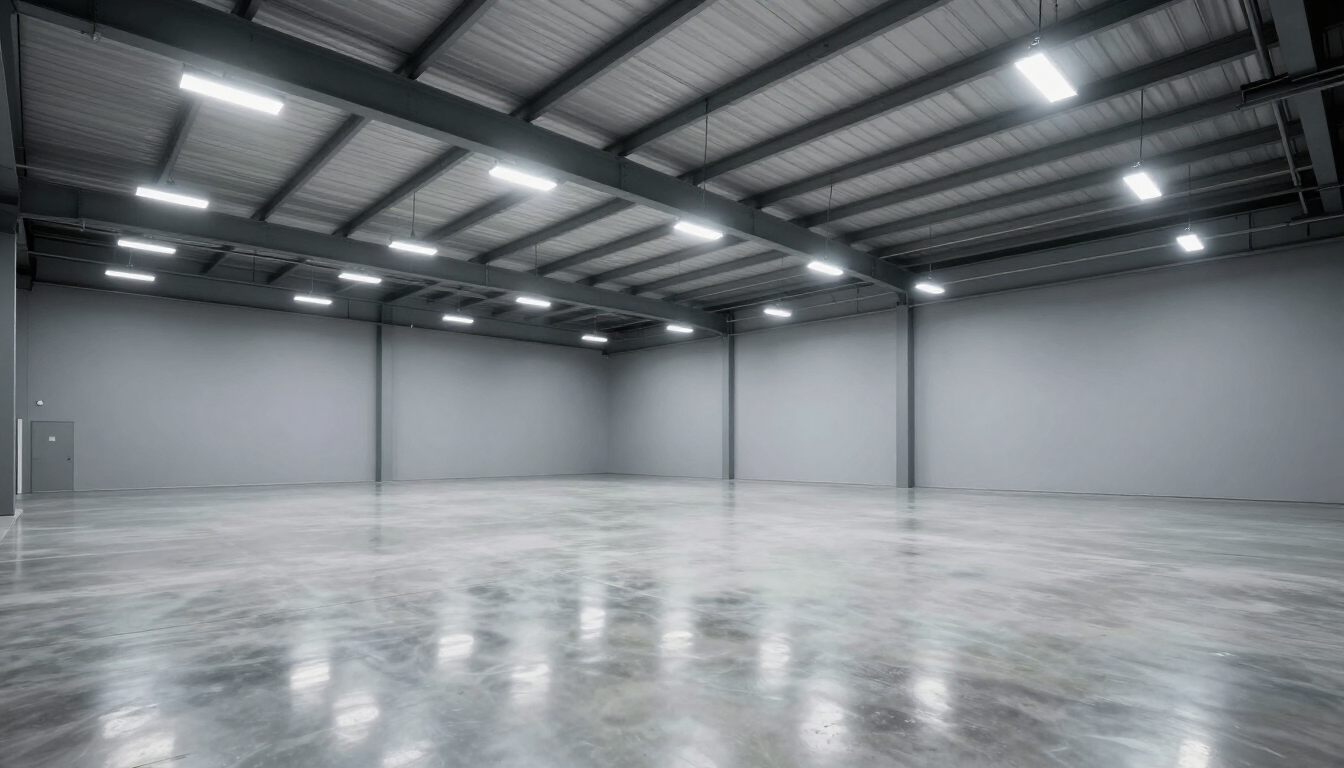
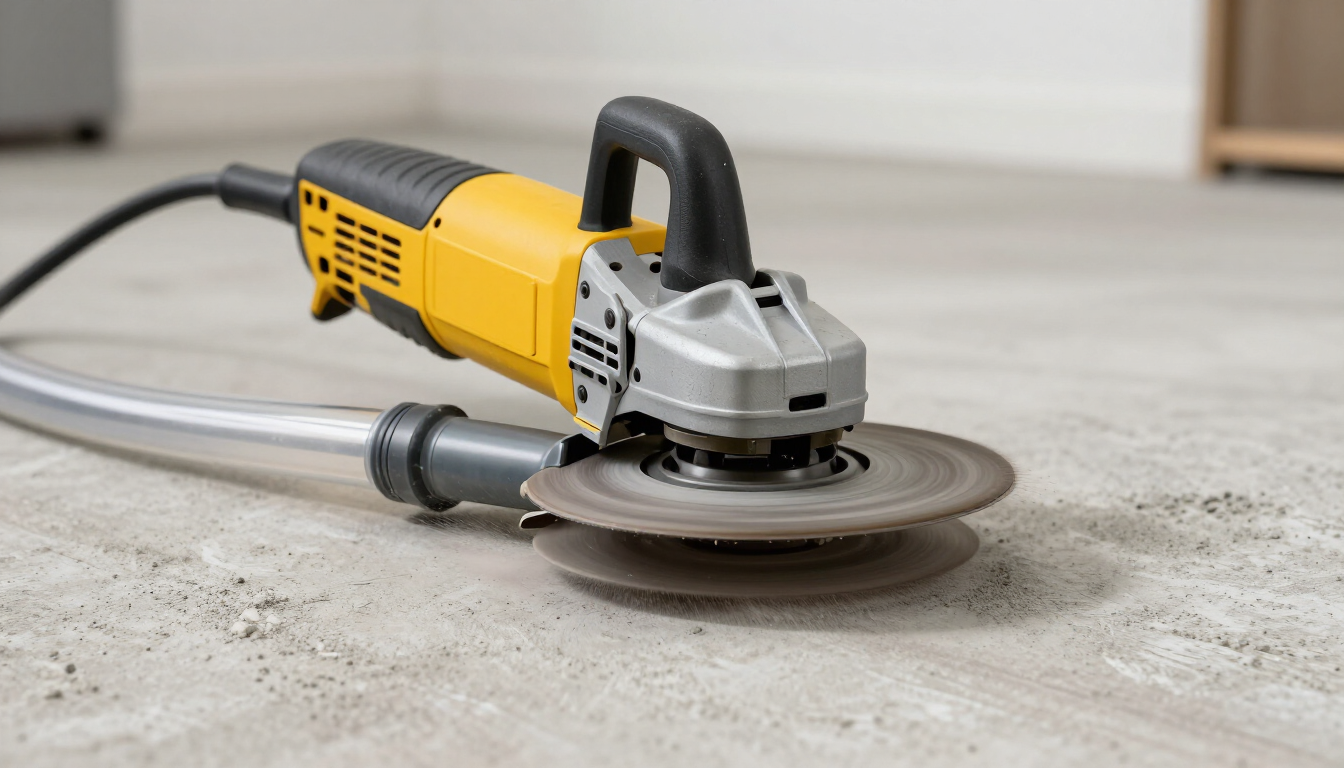
The secret to a floor that lasts 20 years versus one that lasts two lies in the preparation. At Forge Concrete Surfaces, our process is rigorous and designed to ensure a permanent bond. We do not simply wash the floor; we use industrial diamond grinding equipment to "open" the concrete's pores. This step, similar to Commercial Concrete Grinding , removes old sealers, paint, and contaminants while creating a sandpaper-like texture that the coating can grab onto.
Once the floor is ground, we vacuum the surface with HEPA-filtered extractors to ensure a dust-free environment. We then repair any cracks, divots, or spalled areas using high-strength menders. Only after the floor is perfectly flat and clean do we apply the base coat. If the homeowner has chosen a flake system, we broadcast the decorative chips to rejection, ensuring total coverage. Finally, we sand away excess flakes and apply a clear polyaspartic topcoat to seal everything in. This multi-step process is what separates a professional installation from a weekend DIY project.
Common basement flooring myths debunked
There are several misconceptions about basement coatings that often prevent homeowners from making the upgrade. The most common myth is that coatings are "too expensive." While the upfront cost is higher than a gallon of paint, the life-cycle cost is significantly lower. A professional coating can last 15-25 years, whereas paint must be reapplied every two years. When you factor in the labor and materials of repeated painting, the professional coating pays for itself quickly.
Another myth is that you can't coat a basement that has had previous water issues. While we are not a waterproofing company, our coatings are excellent at managing moisture vapor. As long as there isn't standing water or active leaks, our preparation techniques allow us to install floors in basements that were previously considered "un-coatably" damp. Finally, many believe that all coatings look like "plastic." In reality, the variety of colors, textures, and finishes available today—from metallic marbles to natural stone-look flakes—allows for a high-end, sophisticated aesthetic that rivals luxury vinyl plank or tile.
How much does basement floor coating cost in Phoenixville?
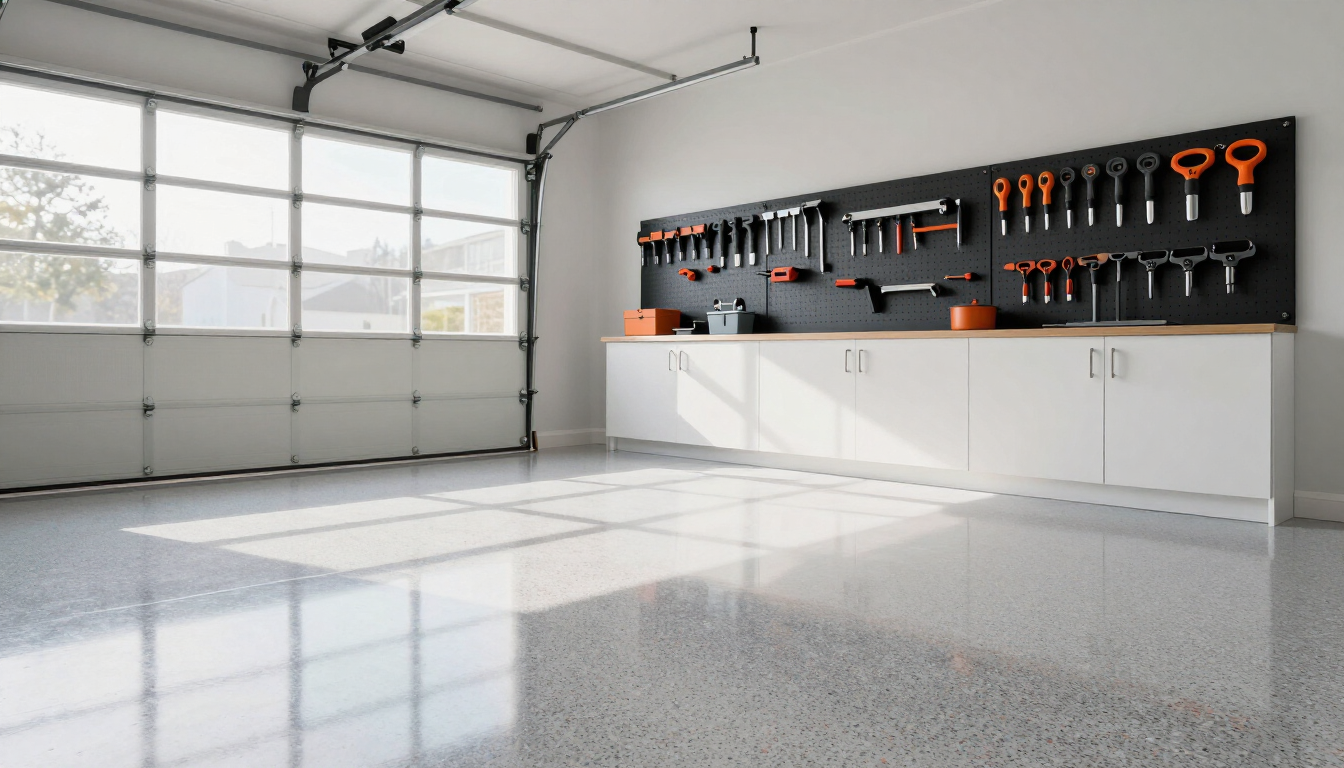
The cost of a basement floor coating in Phoenixville, West Chester , or King of Prussia depends on several factors, including the square footage, the condition of the existing concrete, and the type of system chosen. On average, homeowners can expect to invest between $5 and $9 per square foot for a full professional installation. While this is more than Garage Floor Coating in some instances due to the logistical challenges of moving equipment into a basement, the value added to the home often exceeds the investment.
Factors that might increase the price include extensive crack repair, the removal of existing glue or thick carpet padding, and the choice of premium finishes like metallic epoxy. However, because we are a local, family-owned company, we provide transparent estimates that account for these variables upfront. We believe in providing a solution that fits your budget while ensuring your basement floor remains a durable asset for the life of your home. Whether you are in a new build or a historic property, we can tailor a coating system to meet your specific needs and aesthetic preferences.
Summary of Why Basement Coatings Outperform Other Options
Choosing a professional basement floor coating is the most effective way to protect your Pennsylvania home from moisture, dust, and wear. By opting for epoxy or polyaspartic systems over simple paint, you ensure a permanent, easy-to-clean surface that enhances your property's value and usability. If you're ready to transform your unfinished basement into a beautiful, functional space, Contact Forge Concrete Surfaces today for a consultation.
Key Takeaways for Phoenixville Homeowners:
- Moisture Protection: Coatings seal porous concrete against PA humidity.
- Durability: Polyaspartic and epoxy outlast paint by decades.
- Air Quality: Eliminates concrete dusting and inhibits mold growth.
- Safety: Customizable slip-resistance for family-friendly spaces.
- Value: Professional finishes provide a high return on investment.