5 Best Concrete Floor Maintenance

August 5, 2026

Share this article

Concrete floor maintenance involves regular dust mopping, using pH-neutral cleaners, and addressing spills immediately to preserve the surface's integrity. For Pennsylvania commercial buildings, this routine prevents salt damage in winter and maintains the professional luster of polished or sealed floors, extending their lifespan and durability significantly.

Why is concrete floor maintenance vital in Pennsylvania?

Operating a business in Phoenixville, Chester County, or Montgomery County means dealing with a diverse range of environmental factors. From the humid summers to the freezing, salt-heavy winters, your facility’s flooring takes a beating. Whether you manage a sprawling warehouse or a high-end retail shop, your concrete floors are a major asset. Proper concrete floor maintenance ensures that your investment remains a functional, beautiful part of your business rather than a liability.

Maintaining your floors isn't just about appearances, though a shiny floor certainly makes a great first impression on clients. It’s about safety and longevity. Unmaintained concrete can become porous, leading to staining, or it can develop micro-scratches that dull the finish and trap dirt. In industrial settings, neglected floors can even lead to equipment wear and tear. By following a structured maintenance plan, you are effectively protecting your bottom line.

For many local businesses, the challenge is finding the time and the right techniques. At Forge Concrete Surfaces, we’ve seen how the right daily habits can postpone the need for commercial concrete floor restoration by years. It’s about being proactive rather than reactive. When you understand the specific needs of your floor—whether it’s polished, stained, or sealed—you can tailor your approach to get the best results.

What is the best way to clean commercial concrete?

The foundation of any solid maintenance plan is a consistent cleaning schedule. For commercial spaces, this starts with removing abrasive particles. Dirt, sand, and grit act like sandpaper under the shoes of your employees and customers. Over time, these tiny particles grind away at the finish of your commercial concrete polishing , leading to a dull, matte appearance.

To keep your floors in top shape, consider these five daily and weekly habits:

  • Dust mop the entire floor surface daily using a microfiber pad.
  • Clean up all liquid spills immediately to prevent staining or etching.
  • Use a walk-off mat at every entrance to catch grit and moisture.
  • Damp mop once or twice a week with a clean, microfiber mop.
  • Inspect high-traffic zones daily for signs of wear or debris buildup.

When damp mopping, the choice of cleaner is the most critical decision you’ll make. Many facility managers reach for harsh chemicals or acidic cleaners, thinking they need "heavy-duty" power. However, these can actually eat away at the sealer or the polished surface. Always stick to a pH-neutral cleaner specifically designed for concrete. This ensures you remove the dirt without damaging the chemical bond of your floor's protective layer.

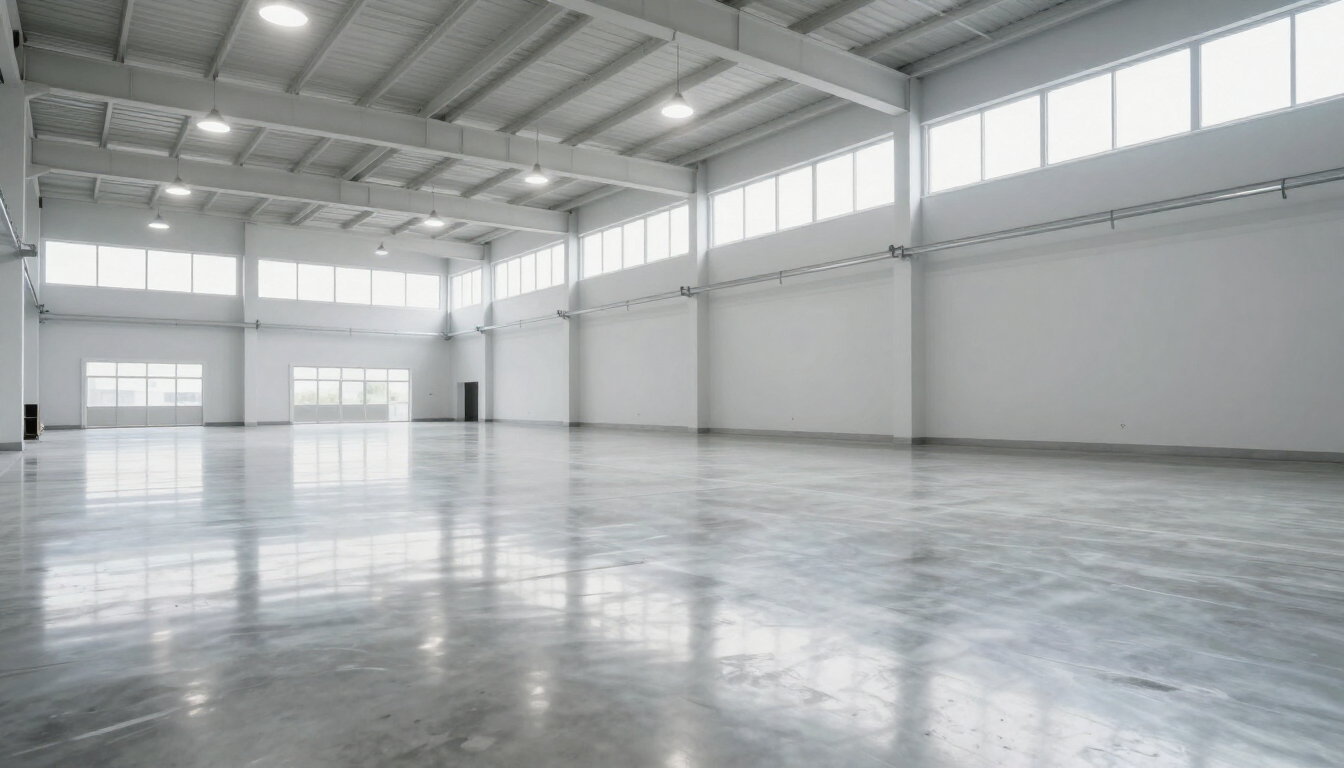
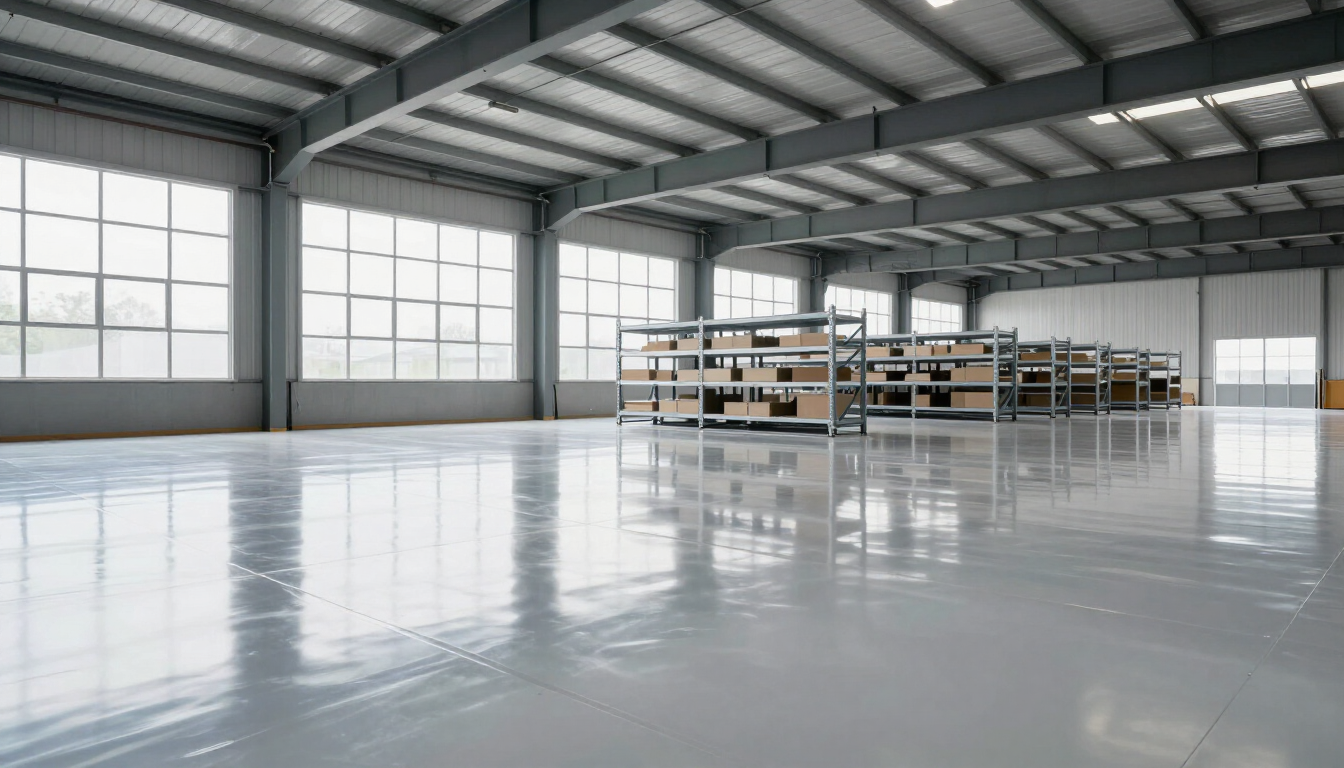
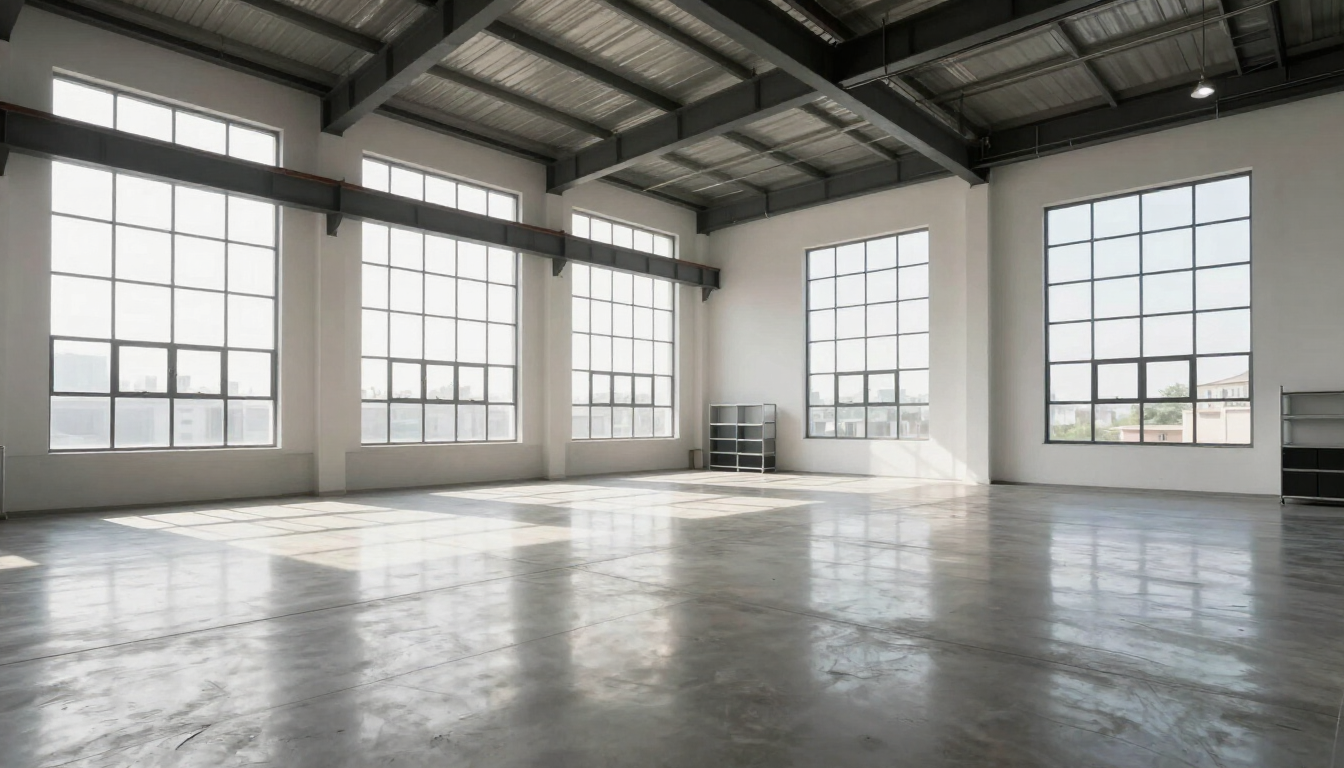
Clean polished warehouse floor

How do you protect floors from PA winter salt?

If you own a business in Phoenixville, PA , you know that winter brings more than just snow. It brings salt, brine, and ice melt. These substances are the enemies of concrete floor maintenance. When salt is tracked into your building, it doesn't just sit on the surface; it can chemically react with the concrete, especially if the floor isn't properly sealed or if the finish has been compromised.

Salt can cause "efflorescence," which is that white, powdery residue you often see on concrete. More dangerously, it can cause the surface to pit or pop—a process known as spalling. To combat this, you need a winter-specific strategy. This includes increasing the frequency of your cleaning and ensuring your entrance mats are long enough to allow for at least six to eight footsteps before a person reaches the main floor.

  • Swap out entrance mats frequently as they become saturated with salt.
  • Use a specialized "salt-neutralizer" cleaning solution during winter months.
  • Increase the frequency of dust mopping to three or four times daily.
  • Rinse floors with clean water after mopping to ensure no residue remains.
  • Check for standing water near doors and dry it immediately.

By staying ahead of the winter sludge, you preserve the structural integrity of your commercial concrete sealing . A well-maintained seal acts as a barrier, keeping those corrosive salts from ever reaching the pores of the concrete itself. If you notice the floor is starting to absorb water rather than beading it off, it’s a sign that your sealer may need a refresh.

Why is pH-neutral cleaner essential for concrete?

We mentioned pH-neutral cleaners earlier, but it’s worth diving deeper into the science of why they matter. Concrete is naturally alkaline. When you use acidic cleaners (like vinegar or citrus-based products) or highly alkaline cleaners (like ammonia or bleach), you create a chemical reaction on the surface. For polished concrete, this reaction can "etch" the floor, effectively dissolving the smooth, reflective surface and leaving it looking cloudy and rough.

Using the wrong cleaner is one of the most common mistakes facility managers make. It’s an easy error to correct, and doing so will immediately improve the effectiveness of your concrete floor maintenance routine. pH-neutral cleaners are designed to suspend dirt particles so they can be easily wiped away without leaving a film or damaging the floor’s pH balance.

Beyond just the chemical makeup, consider the tools you use. For larger facilities in King of Prussia or West Chester , an automatic scrubber might be the best investment. These machines apply the cleaning solution, scrub the floor with non-abrasive pads, and vacuum up the dirty water all in one pass. This prevents "mopping with dirty water," which often just moves the grime from one corner to another.

Maintaining Polished vs. Sealed Surfaces

It is important to recognize that not all concrete floors are the same. A floor that has undergone commercial concrete polishing has a different maintenance profile than one that has a topical coating or sealer. Polished concrete is physically refined through grinding, making the surface itself dense and reflective. Sealed concrete, on the other hand, relies on a protective film (like an epoxy or acrylic) to keep out moisture and stains.

For polished floors, the key is maintaining the densification. Periodically, you may need to use a high-speed burnisher with a diamond-impregnated pad to "pop" the shine back into the floor. This is a dry process that smooths out micro-scratches and restores the high-gloss look. For sealed floors, the focus is on protecting that top layer. Once a sealer wears through, the concrete underneath is vulnerable, and you may need commercial concrete floor refinishing to bring it back to life.

  • Polished: Requires periodic burnishing to maintain high gloss.
  • Sealed: Requires re-application of the topcoat every 3-5 years.
  • Polished: Highly resistant to tire marks and heavy equipment.
  • Sealed: Excellent for chemical resistance and waterproofing.
  • Both: Benefit from daily dust mopping and pH-neutral cleaning.

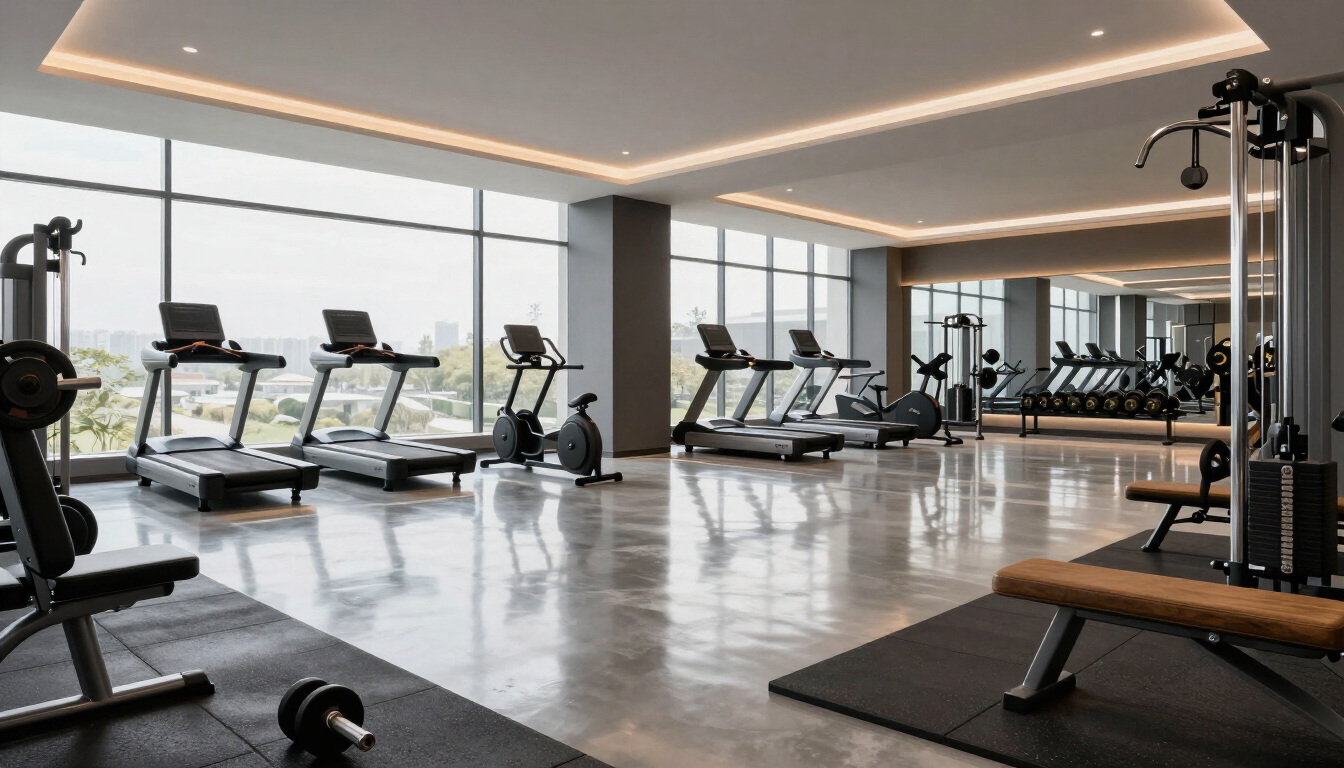
Regardless of the type, high-traffic areas like retail aisles, gym floors, and warehouse loading docks will always require more attention. In a gym setting, for example, sweat and dropped weights can take a toll. In a warehouse, forklift traffic can leave tire marks. Each environment requires a slightly adjusted commercial concrete floor maintenance strategy to address these specific stressors.

When should you schedule professional floor restoration?

Even with the best daily care, there comes a time when standard cleaning isn't enough. Over the years, floors can develop deep stains, cracks, or a level of dullness that a mop just can't fix. This is where professional commercial concrete floor restoration comes into play. If you notice that your cleaning efforts are no longer producing a clean-looking floor, or if you see visible damage to the concrete slab, it's time to call in the experts.

Professional restoration involves using heavy-duty commercial concrete grinding equipment to remove the damaged top layer and reveal fresh, clean concrete underneath. From there, we can re-polish or re-seal the surface to make it look brand new. For businesses in Chester and Montgomery County, this is often a more cost-effective solution than replacing the entire floor system.

Commercial Concrete Polishing Benefits

Many of our clients choose to transition to polished concrete because of its low maintenance requirements. While no floor is completely "maintenance-free," polished concrete comes close. It doesn't require waxes or strippers, which saves significant money on labor and materials over time. Furthermore, its reflective properties can actually reduce your lighting costs by bouncing more light around the room.

  • Lower long-term maintenance costs compared to VCT or carpet.
  • Enhanced ambient lighting due to high reflectivity.
  • Increased durability and resistance to heavy foot and vehicle traffic.
  • Eco-friendly choice that uses the existing slab.
  • Professional, modern aesthetic that fits any commercial brand.

Summary of Concrete Floor Maintenance Best Practices

Maintaining your commercial concrete floors in Pennsylvania is a year-round commitment that pays dividends in safety, aesthetics, and cost savings. By focusing on grit removal, using the right chemicals, and protecting your floors from harsh winter elements, you can keep your facility looking its best. Remember that your floor is the literal foundation of your business operations—treating it with care is an investment in your company’s future.

  • Daily Action: Dust mop with microfiber to remove abrasive grit.
  • The Golden Rule: Use only pH-neutral cleaners to avoid etching.
  • Winter Strategy: Use salt neutralizers and long walk-off mats.
  • Proactive Care: Schedule professional inspections and burnishing regularly.
  • Next Steps: Evaluate your current floor condition and cleaning supplies.

If your floors are looking tired or you need a professional maintenance plan tailored to your specific facility in the Phoenixville area, Forge Concrete Surfaces is here to help. From minor refinishing to full-scale restoration, our family-owned team brings expert care to every square foot. Contact us today for a free estimate and let’s keep your business looking sharp.

Recent Posts

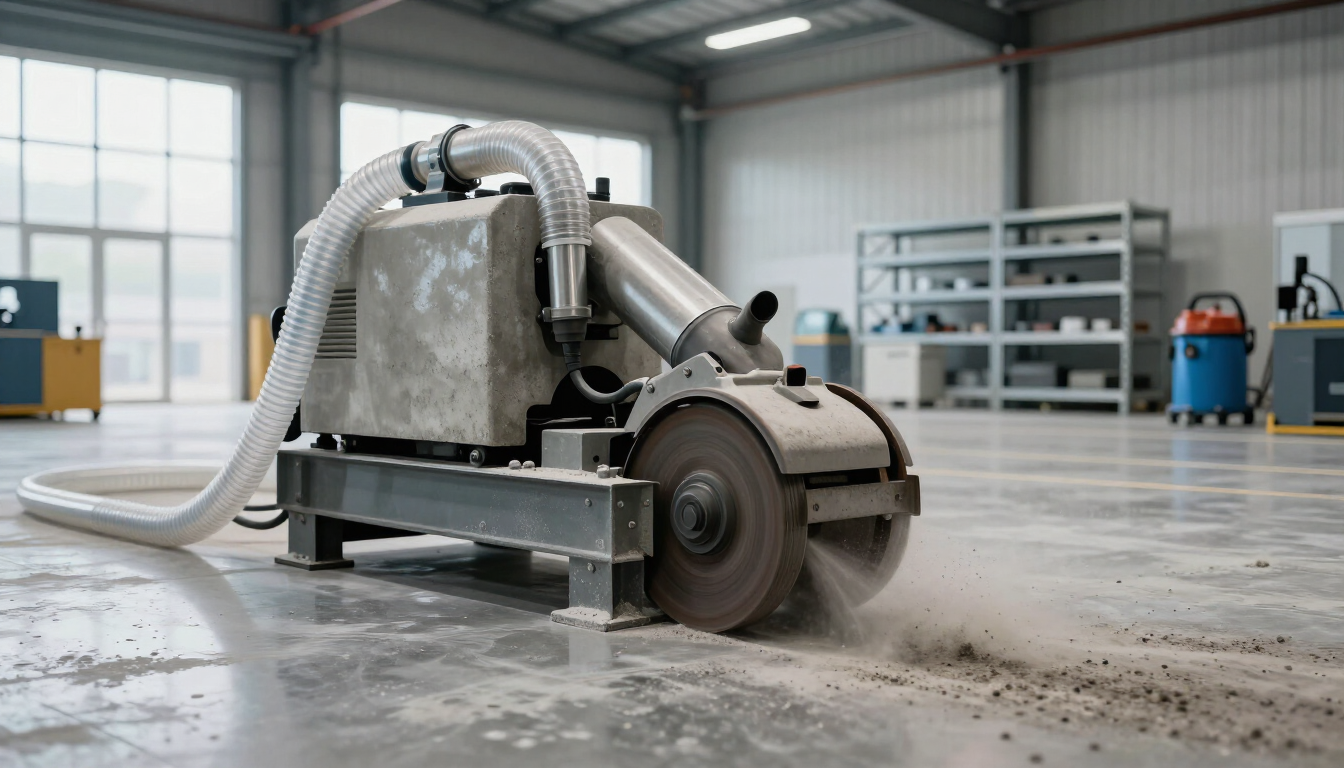
Industrial concrete grinding machine preparing a commercial floor.
August 26, 2026
Learn why commercial concrete grinding is the essential first step for durable polishing and coatings. Forge Concrete Surfaces explains surface prep in Phoenixville, PA.
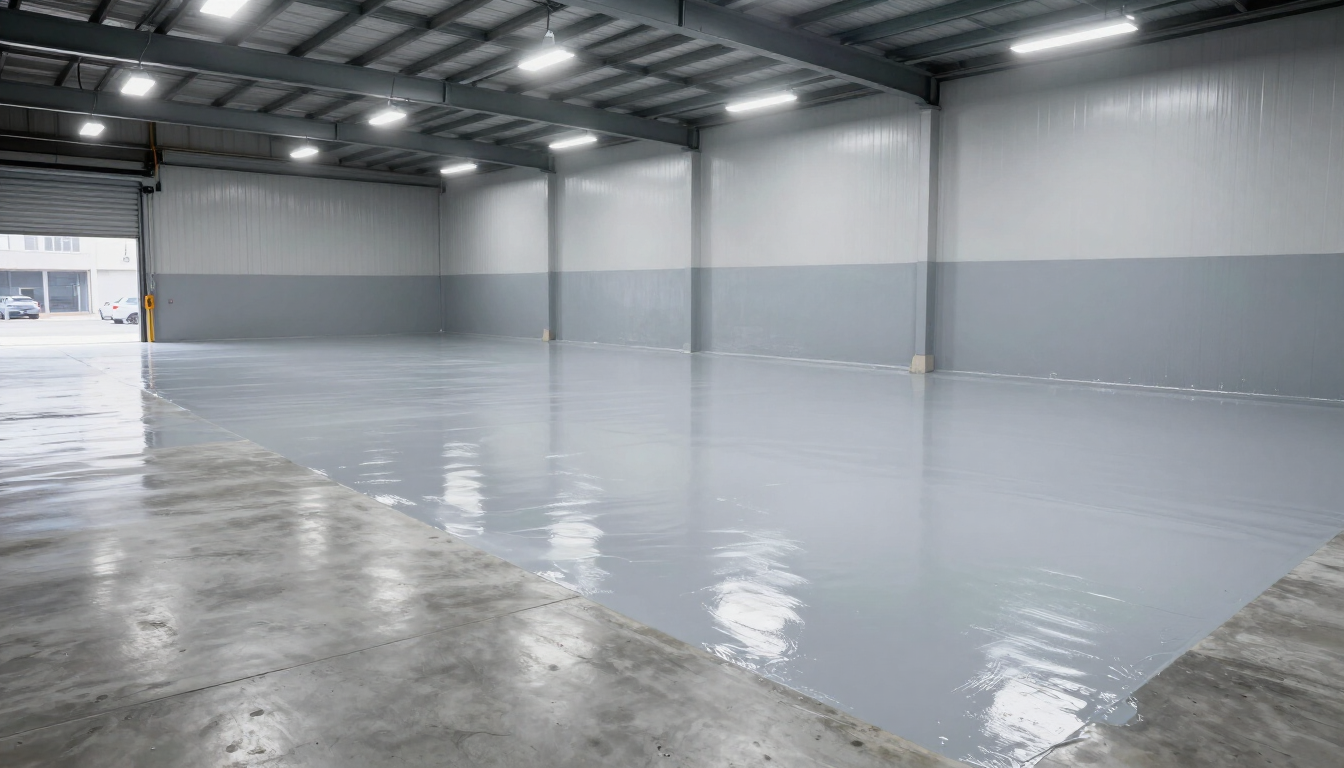
A professional comparison of sealed and coated commercial concrete floors in a Phoenixville facility.
August 19, 2026
Deciding between concrete sealing vs coating for your Phoenixville business? Compare costs, durability, and use cases for commercial floors in this expert guide.
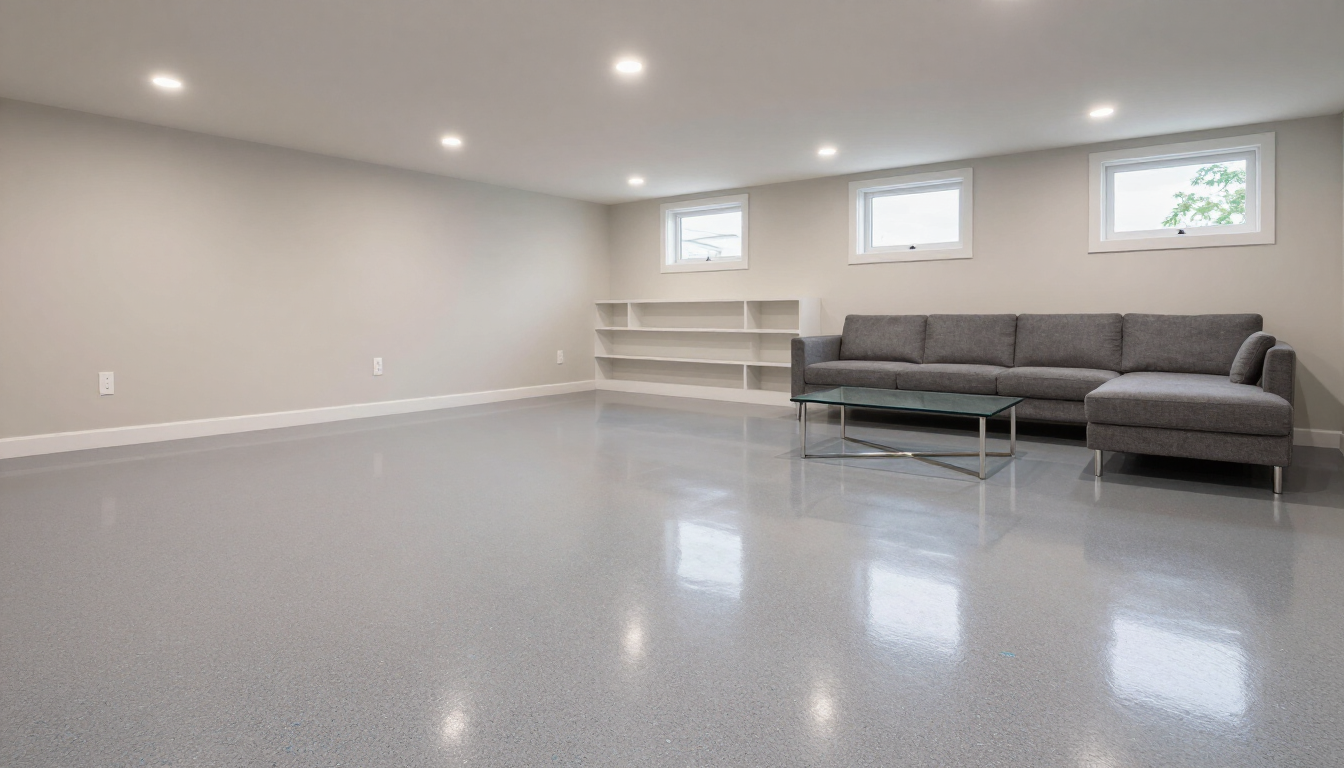
High-quality decorative flake basement floor coating in Phoenixville
August 12, 2026
Better than paint! Learn why professional basement floor coating in Phoenixville, PA, is the best choice for durable, moisture-resistant flooring.
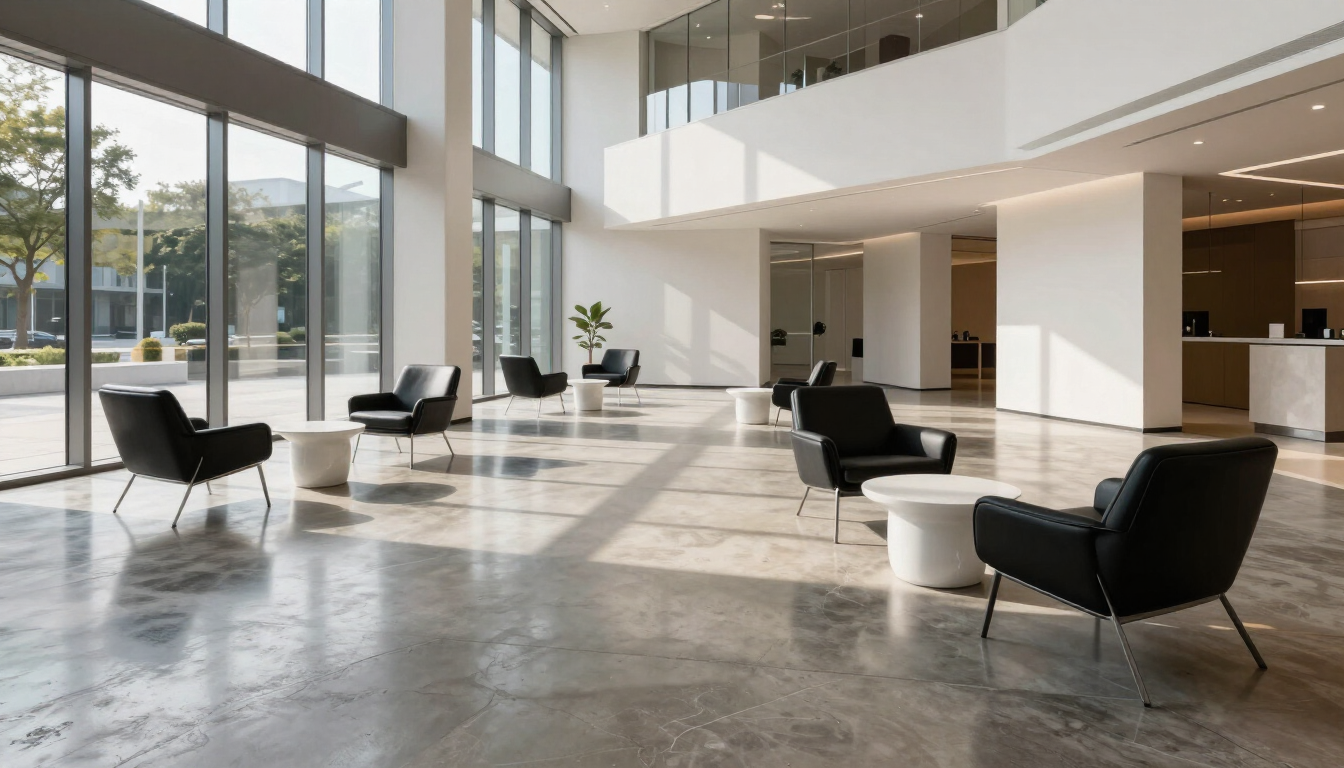
Polished and stained commercial concrete floor in a modern office lobby.
July 31, 2026
Learn how commercial concrete staining works for businesses in Phoenixville, Malvern, and Wayne, PA. Compare acid vs. water-based stains and color options.
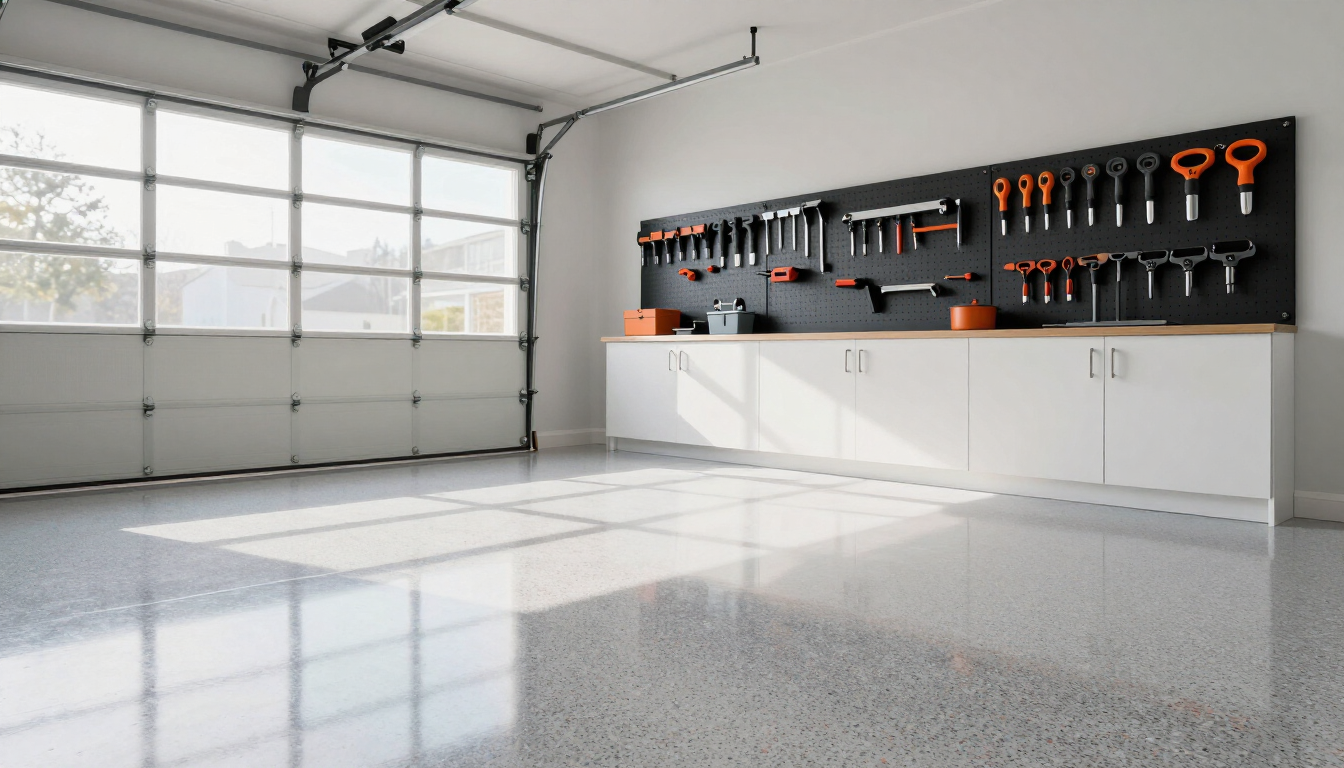
High-quality decorative flake garage floor coating in a modern Phoenixville home.
July 21, 2026
Explore garage floor coating options like epoxy and polyaspartic. Find the most durable solution for homes in Phoenixville and West Chester, PA.
Shiny polished concrete flooring in a Chester County industrial warehouse.
July 6, 2026
Discover why warehouse operators in Chester County choose polished concrete for durable, low-maintenance industrial flooring solutions from Forge Concrete Surfaces.
Polished commercial concrete floor in a warehouse.
June 25, 2026
Learn how to determine if your commercial concrete floor needs restoration or a full replacement. Explore signs of damage, costs, and solutions for Phoenixville warehouses.
High gloss polished concrete floor in a modern Phoenixville warehouse.
June 8, 2026
Compare polished concrete vs. epoxy flooring for your Phoenixville business. Learn about durability, costs, and maintenance to choose the right floor.