Concrete Sealing vs Coating: Phoenixville

August 19, 2026

Share this article

Choosing between concrete sealing vs coating depends on your floor’s exposure and aesthetic goals. Sealing involves penetrating sealers that protect against moisture and stains while maintaining the natural look. Coating creates a thick, high-performance surface layer, offering superior durability, chemical resistance, and decorative finishes for high-traffic commercial environments.

What is the difference between concrete sealing and coating?

Understanding the fundamental differences between concrete sealing and coating is the first step for any property manager in Phoenixville. While both processes aim to protect the substrate, they work in entirely different ways. Concrete sealing typically uses penetrating agents like silicates or silanes. These chemicals dive deep into the pores of the concrete, reacting with the minerals to create an internal barrier. This barrier prevents liquid ingress without changing the surface profile or slip resistance of the floor.

In contrast, commercial floor coatings are film-forming products. Think of a coating like a high-performance skin that sits on top of the slab. These systems, which include epoxies, urethanes, and polyaspartics, create a seamless, non-porous layer that can be built up to various thicknesses. This layer is what provides the "high-build" protection necessary for demanding industrial applications.

Key structural differences include:

  • Penetration vs. Adhesion: Sealers live inside the concrete; coatings bond to the top.
  • Appearance: Sealers are usually invisible or matte; coatings offer gloss and color.
  • Vapor Permeability: Sealers are often "breathable," allowing moisture vapor to escape.
  • Thickness: Sealers add zero thickness; coatings add 10 to 100+ mils.
  • Surface Prep: Sealers require clean pores; coatings require mechanical grinding for a bond.

For businesses looking to preserve the raw, industrial aesthetic of their building, commercial concrete sealing is often the preferred route. However, if the floor is subject to heavy impact or caustic chemicals, the physical barrier of a coating is indispensable.

When should you choose commercial concrete sealing?

Commercial concrete sealing is the go-to solution for facilities where the primary concerns are dustproofing, moisture protection, and cost-effectiveness. In many Phoenixville warehouses and distribution centers, the goal isn't necessarily a decorative finish, but a floor that doesn't produce "concrete dust" which can damage inventory and machinery. A penetrating sealer hardens the surface, making it much easier to clean with standard equipment.

Sealing is also ideal for outdoor-indoor transitions or areas with high moisture vapor transmission. Because many sealers allow the slab to breathe, they won't delaminate or bubble if moisture rises from the ground—a common issue in older PA commercial buildings. If your facility focuses on logistics, light manufacturing, or serves as a back-of-house storage area, sealing provides the necessary protection without the higher price tag of a full coating system.

Consider sealing if your facility matches these criteria:

  • You need a budget-friendly way to stop concrete dusting.
  • The floor is structurally sound but needs basic stain protection.
  • You want to maintain the original texture and slip resistance.
  • The area has low to moderate foot traffic and light cart use.
  • Maintenance budgets are focused on routine cleaning rather than refinishing.

If the concrete is older or showing signs of wear, you might first need commercial concrete floor restoration to patch cracks and level the surface before a sealer can be effectively applied. This ensures the sealant performs as intended across the entire footprint.

Are commercial floor coatings better for high-traffic areas?

When we talk about high-traffic areas in a commercial setting, we aren't just talking about people walking. We are talking about forklifts, pallet jacks, heavy machinery vibration, and the constant dragging of crates. In these environments, a standard sealer may not provide enough sacrificial protection. This is where epoxy and polyaspartic floor coatings become the superior choice.

Coatings are designed to take the brunt of the abuse so the concrete slab underneath doesn't have to. Beyond mere durability, coatings offer a level of customization that sealers cannot match. You can incorporate decorative flakes, quartz, or solid pigments to align with your company’s branding. In retail spaces or high-end offices in Chester County, this aesthetic flexibility is a major selling point. Furthermore, coatings can be engineered with anti-slip additives to improve safety in wet or oily environments.

Top reasons to choose a coating system:

  • Superior resistance to impact, abrasion, and heavy wheel traffic.
  • Chemical resistance against oils, acids, and harsh cleaning agents.
  • Aesthetic variety including colors, flakes, and high-gloss finishes.
  • Completely seamless surface that prevents bacteria and dirt buildup.
  • Increased light reflectivity, which can lower energy costs in large spaces.

For businesses in the automotive or chemical processing sectors, coatings are often a regulatory or safety requirement. A properly installed coating ensures that spills stay on the surface where they can be safely neutralized, rather than soaking into the concrete and potentially contaminating the soil below.

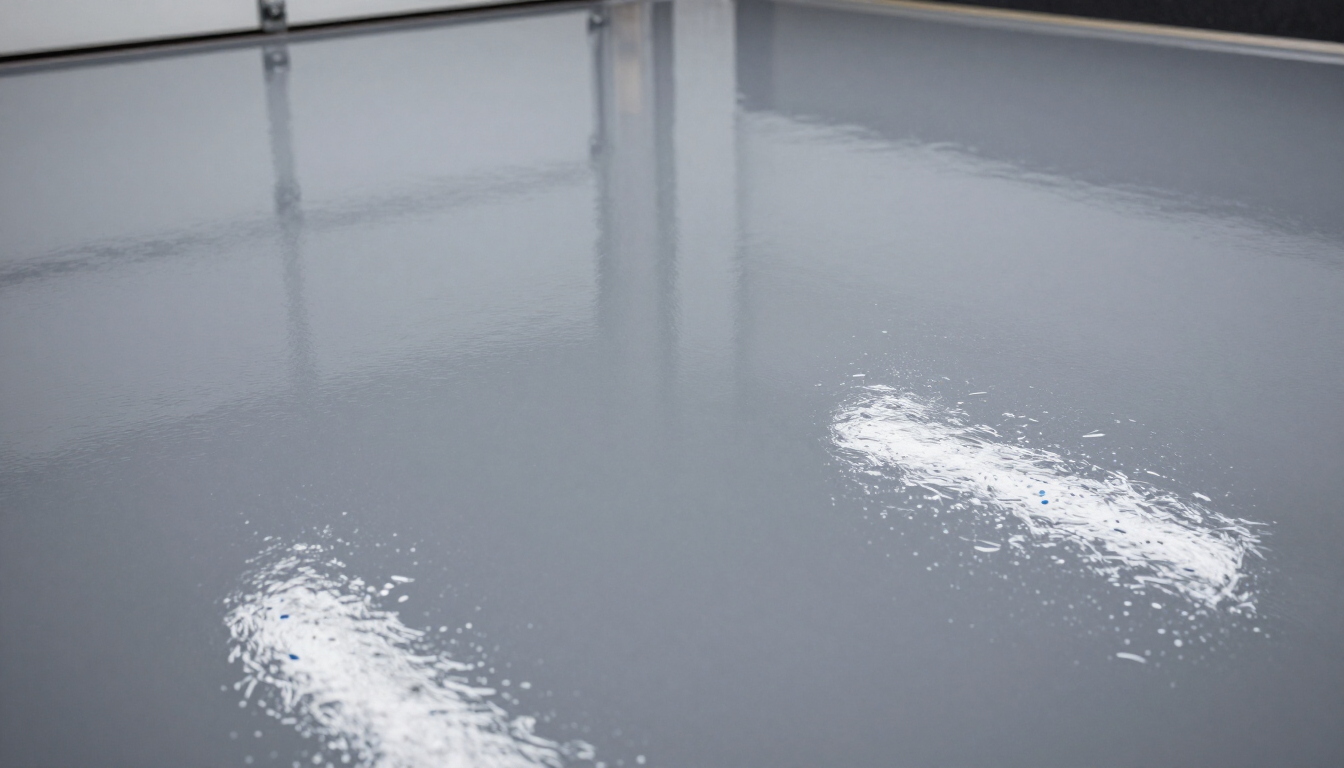
A shiny grey epoxy coated floor with blue and white decorative flakes

Environmental Factors for Phoenixville Commercial Floors

Operating a business in Phoenixville, PA, means your floors have to deal with the unique challenges of the Mid-Atlantic climate. Our region experiences significant temperature swings between the humid summers and freezing winters. For commercial properties, this means the concrete is constantly expanding and contracting. If your facility has large bay doors that stay open during loading, the concrete near those entrances is subject to freeze-thaw cycles and the tracking in of road salt and de-icing chemicals.

Penetrating sealers are excellent at protecting against the chloride ion intrusion caused by salt. This prevents the internal rebar from corroding and the concrete from scaling. On the other hand, if you choose a coating, you must ensure it has the flexibility to handle thermal shock. Polyaspartic coatings are particularly well-suited for this, as they remain more flexible than traditional epoxies and can be applied in much colder temperatures, making them a viable option for winter renovations in Montgomery County.

Another factor is the local water table and soil composition. Many older industrial sites in the Schuylkill River valley deal with higher-than-average sub-slab moisture. At Forge Concrete Surfaces, we always perform moisture testing before recommending a system. If moisture levels are too high, a standard coating might fail, whereas a specialized moisture-mitigating primer or a breathable sealer would be the correct technical choice to ensure longevity.

Cost Comparison: Sealing vs. Coating

When evaluating the budget for a flooring project, it is essential to look at both the initial investment and the total cost of ownership over ten years. Generally speaking, commercial concrete sealing is the most economical option upfront. The material costs are lower, and the labor required for surface preparation is typically less intensive. Most sealing projects involve a thorough cleaning and perhaps a light commercial concrete grinding to open the pores.

Coatings represent a higher initial investment. The cost is driven by the need for diamond grinding or shot blasting to achieve the proper Concrete Surface Profile (CSP), as well as the multi-layer application process. However, a high-quality coating can last significantly longer than a sealer in a high-abuse environment. If you seal a high-traffic floor, you may find yourself needing to re-apply the sealer every 12-24 months, whereas a robust epoxy system might last 5-10 years before requiring a top-coat refresh.

Cost factors to consider:

  • Surface Preparation: Coatings require more aggressive (and expensive) prep work.
  • Material Quality: Industrial-grade resins cost more than standard water-based sealers.
  • Downtime: Sealers dry fast; some coatings require 24-72 hours of cure time.
  • Maintenance: Coatings are easier to "deep clean" but harder to spot-repair.
  • Longevity: Coatings usually offer a better ROI in high-impact zones.

Maintenance Strategies for Long-Lasting Surfaces

Regardless of which system you choose, a consistent maintenance program is vital. For sealed floors, the primary goal is to remove abrasive grit that can wear down the protective barrier over time. Regular sweeping and damp mopping with a pH-neutral cleaner will keep the floor looking its best. Property managers should also look out for "dull spots" in high-traffic lanes, which indicates it's time for a maintenance reseal.

Coated floors are incredibly resilient, but they are not indestructible. In a commercial setting, the biggest threat to a coating is fine sand and dirt acting like sandpaper under the wheels of a forklift. Implementing a commercial concrete floor maintenance plan that includes walk-off mats at entrances and automatic scrubbing with non-abrasive pads will extend the life of the coating by years. If the gloss starts to fade, a professional "screen and recoat" can often restore the shine without needing to strip the entire system back to the bare concrete.

Which system is right for your Phoenixville business?

To make the final decision, you must evaluate the specific needs of your daily operations. A boutique retail shop on Bridge Street has different requirements than a heavy machinery plant near the industrial parks. Start by asking yourself: What is the primary "enemy" of my floor? Is it just dust and light foot traffic, or is it heavy loads and chemical spills? If the answer is the latter, a coating is almost always the right choice.

Next, consider your long-term plans for the property. If you are a tenant with a short-term lease, a high-quality sealing job might be the most responsible use of your capital. If you own the building and want to maximize its value while providing the safest, cleanest environment for your employees, investing in a premium coating system pays dividends in both performance and professional appearance. At Forge Concrete Surfaces, we help businesses across Phoenixville, PA and King of Prussia navigate these choices through site-specific evaluations.

Summary of Key Takeaways

Deciding between concrete sealing and coating is a balance of performance, aesthetics, and budget. While sealing is a fantastic entry-level protection method, coatings provide the heavy-duty armor needed for modern industrial life.

  • Sealing is best for dustproofing, breathability, and maintaining a natural concrete look on a budget.
  • Coating is essential for high-impact areas, chemical resistance, and decorative commercial branding.
  • Local Climate matters; Phoenixville's freeze-thaw cycles require products that handle thermal expansion.
  • Maintenance is the key to longevity for both systems; regular cleaning prevents abrasive wear.
  • Expert Advice is crucial for moisture testing and determining the correct surface preparation needed for success.

If you're ready to upgrade your facility's floors, contact us today for a professional assessment and a clear estimate tailored to your Phoenixville commercial property.

Recent Posts

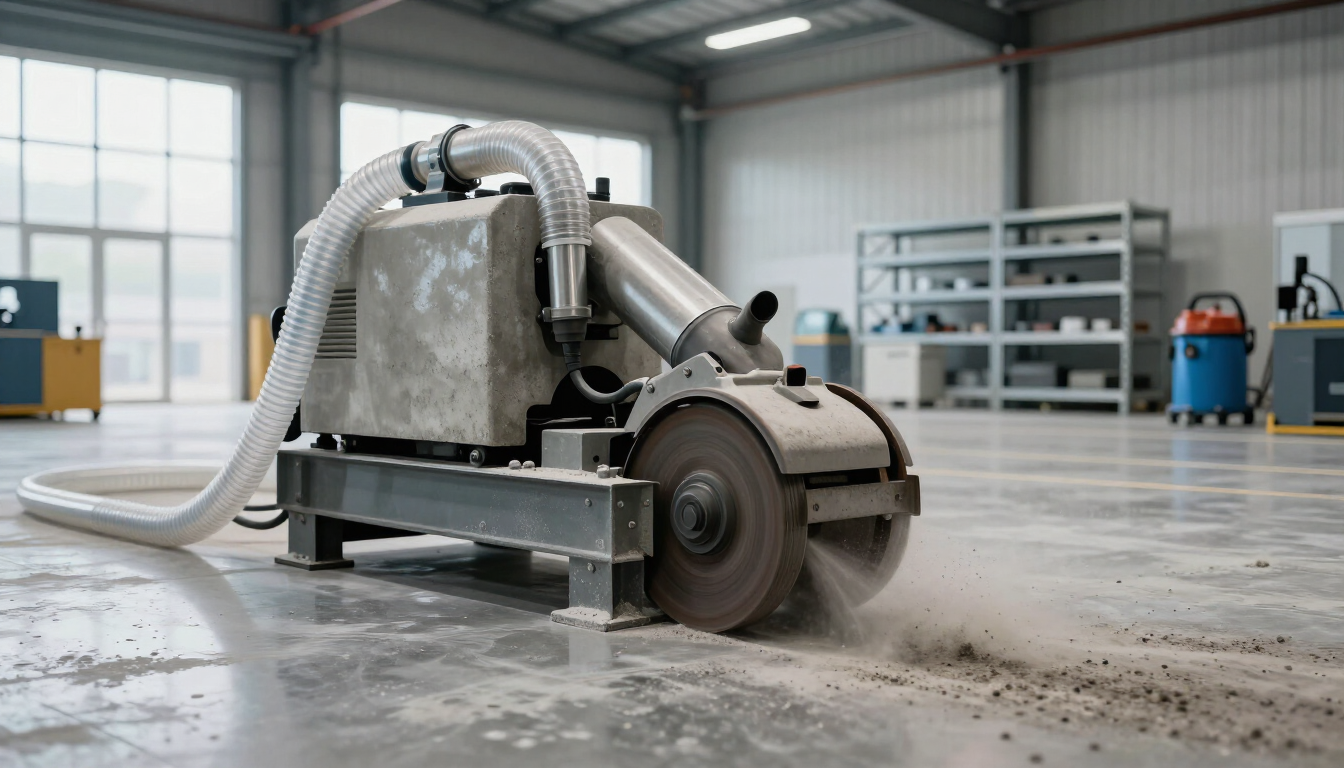
Industrial concrete grinding machine preparing a commercial floor.
August 26, 2026
Learn why commercial concrete grinding is the essential first step for durable polishing and coatings. Forge Concrete Surfaces explains surface prep in Phoenixville, PA.
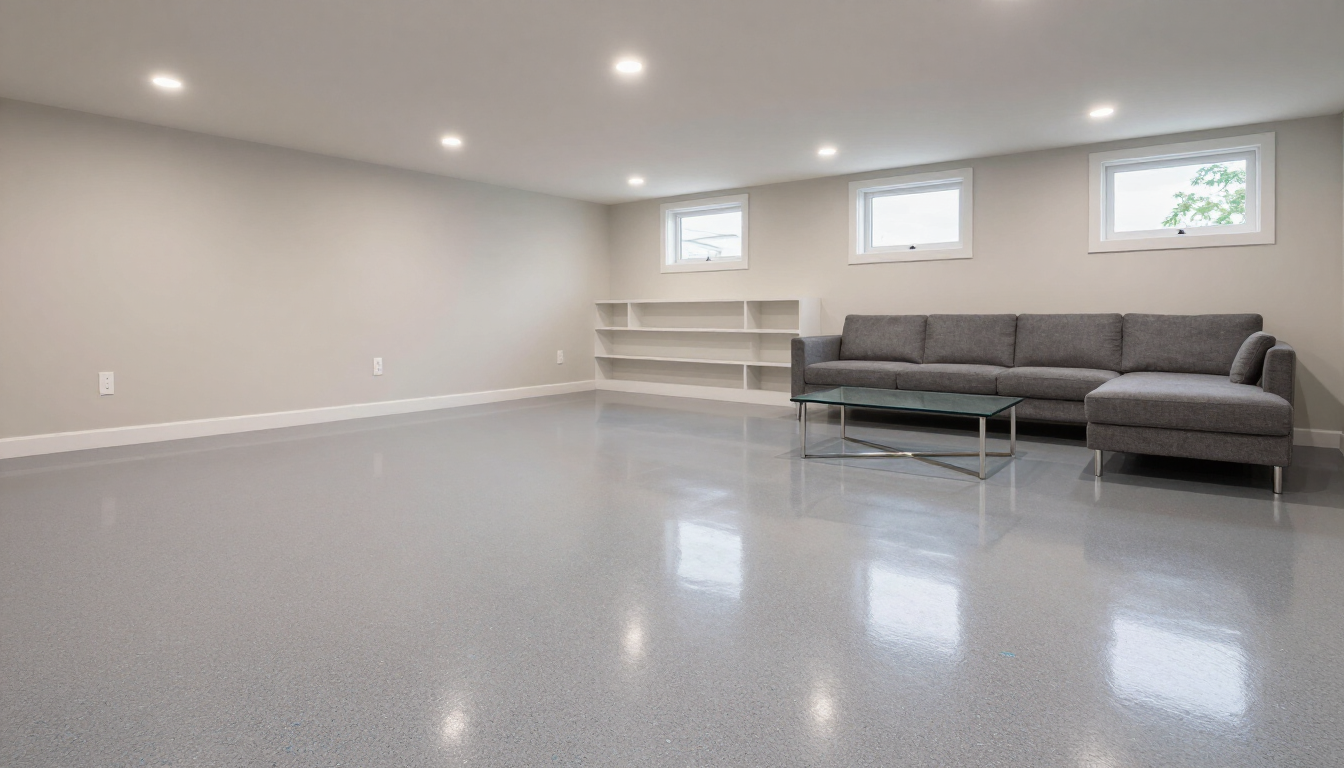
High-quality decorative flake basement floor coating in Phoenixville
August 12, 2026
Better than paint! Learn why professional basement floor coating in Phoenixville, PA, is the best choice for durable, moisture-resistant flooring.
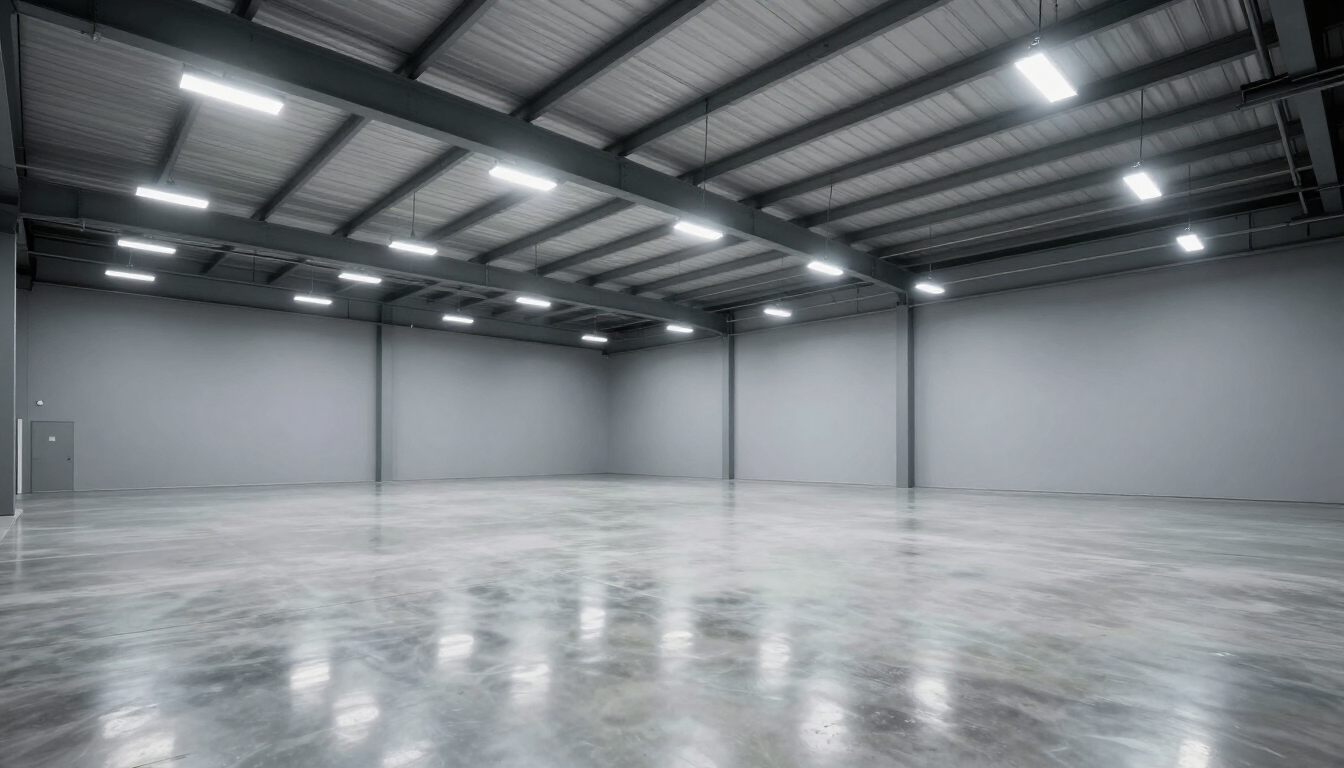
Clean polished concrete floor in a commercial building in Pennsylvania
August 5, 2026
Discover the ultimate concrete floor maintenance guide for PA businesses. Learn how to keep polished and sealed floors durable and clean year-round in Phoenixville and beyond.
Polished and stained commercial concrete floor in a modern office lobby.
July 31, 2026
Learn how commercial concrete staining works for businesses in Phoenixville, Malvern, and Wayne, PA. Compare acid vs. water-based stains and color options.
High-quality decorative flake garage floor coating in a modern Phoenixville home.
July 21, 2026
Explore garage floor coating options like epoxy and polyaspartic. Find the most durable solution for homes in Phoenixville and West Chester, PA.
Shiny polished concrete flooring in a Chester County industrial warehouse.
July 6, 2026
Discover why warehouse operators in Chester County choose polished concrete for durable, low-maintenance industrial flooring solutions from Forge Concrete Surfaces.
Polished commercial concrete floor in a warehouse.
June 25, 2026
Learn how to determine if your commercial concrete floor needs restoration or a full replacement. Explore signs of damage, costs, and solutions for Phoenixville warehouses.
High gloss polished concrete floor in a modern Phoenixville warehouse.
June 8, 2026
Compare polished concrete vs. epoxy flooring for your Phoenixville business. Learn about durability, costs, and maintenance to choose the right floor.