Moisture Testing: Why It Matters Before Polishing (2026)

September 29, 2026

Share this article

Concrete moisture testing is the essential process of measuring water vapor within a slab before installing coatings or finishes. It is critical because excessive moisture causes adhesive failure, bubbling, and delamination. Testing ensures the concrete is dry enough to bond permanently with professional treatments like epoxy, urethane, or high-gloss commercial concrete polishing .

Why is moisture testing necessary before applying concrete coatings?

Moisture testing is necessary because concrete is a porous material that acts like a sponge, holding water deep within its structure long after the surface appears dry. Even if a slab looks grey and solid, it may still contain high levels of internal humidity. When you apply a non-breathable coating, such as a high-performance epoxy or a polyaspartic system, you essentially place a lid on that sponge. If the moisture level is too high, the water vapor has nowhere to go. This creates upward pressure that can physically push the coating off the surface.

In Phoenixville, PA, where seasonal humidity fluctuates, moisture testing is even more vital. External ground water can migrate through the slab via capillary action, especially in older commercial buildings that may lack a modern vapor barrier. Testing provides a scientific baseline, moving the project from guesswork to a data-driven installation. Without this data, a contractor cannot guarantee that the commercial concrete sealing or coating will last more than a few months. It is the most effective way to protect your investment and ensure the longevity of the floor.

What happens if you skip moisture testing on a commercial floor?

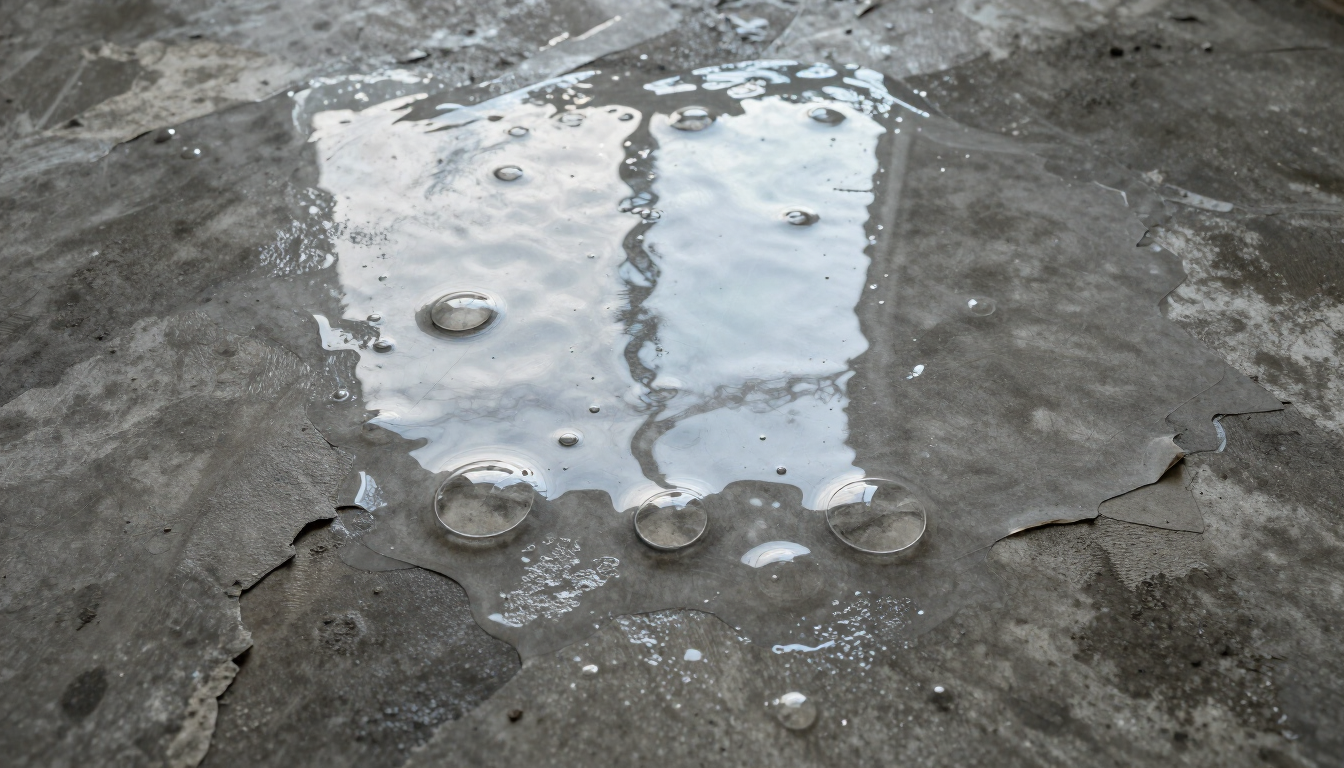
Skipping moisture testing often leads to catastrophic floor failure, which is both expensive and disruptive for a business. The most common result is osmotic blistering. This occurs when moisture vapor pulls soluble salts from the concrete, creating a high-concentration solution beneath the coating. This pressure draws in more water, forming large bubbles that eventually pop, leaving holes in your floor.

Beyond physical damage, excessive moisture can lead to:

  • Adhesive Failure : The chemical bond between the coating and the concrete is destroyed, causing the floor to peel or flake away.
  • Saponification : If the concrete is moist and has a high pH, it can chemically break down certain resins, turning them into a soapy, sticky mess.
  • Mold and Mildew : Trapped moisture creates a breeding ground for biological growth, which can lead to indoor air quality issues in offices or healthcare facilities.
  • Efflorescence : White, powdery salt deposits can form on the surface, ruining the aesthetic of a polished or stained floor.
Moisture Failure Example

Understanding Hydrostatic Pressure and Vapor Drive

To understand why testing matters, building owners must understand "vapor drive." This is the movement of moisture from an area of high concentration (usually the soil beneath the slab) to an area of low concentration (the air inside your building). If your HVAC system is pulling moisture out of the air, it increases the rate at which water is sucked through the concrete slab. This is known as hydrostatic pressure when liquid water is pushed by gravity, but more commonly in flooring, it is moisture vapor emission.

If the vapor drive is too strong, it can overwhelm standard sealants. During a commercial concrete floor restoration project, we evaluate the slab's history. Older slabs often have compromised or non-existent vapor retarders, making them high-risk for moisture-related issues. By understanding the physics of your specific floor, we can choose specialized moisture-mitigating primers that are designed to withstand higher pressures, ensuring a successful finish even in challenging environments like warehouses or industrial plants.

Which moisture tests are standard for concrete floors?

The flooring industry relies on two primary scientific methods to gauge moisture levels, each providing different insights into the slab's condition. Using both often provides the most complete picture of the floor's health.

  1. In-Situ Relative Humidity (RH) Testing (ASTM F2170) : This involves drilling small holes into the slab and inserting digital probes. It measures the humidity inside the concrete, which tells us how much moisture will eventually move to the surface. It is widely considered the most accurate predictor of floor performance.
  2. Calcium Chloride Testing (ASTM F1869) : This test measures the Moisture Vapor Emission Rate (MVER) at the surface. A small dish of anhydrous calcium chloride is placed under a sealed plastic dome for 60-72 hours. The weight gain of the salt indicates how many pounds of water are leaving 1,000 square feet of concrete every 24 hours.
  3. Electronic Impedance Meters : These are hand-held devices used for spot-checking. While useful for identifying "hot spots," they only measure the top inch of the concrete and should not be used as the final word for a major installation.
  4. pH Testing : While not a moisture test per se, pH levels are often measured alongside moisture. High moisture often correlates with high alkalinity, which can be just as damaging to coatings.
  5. Plastic Sheet Method : A basic, non-quantitative test where plastic is taped to the floor to see if condensation forms. This is a good initial check but is not sufficient for commercial warranties.

The Difference Between RH and MVER Testing

While both tests are common, they serve different purposes. MVER (Calcium Chloride) tells you what is happening at the surface right now . However, surface conditions can be misleading if the building’s HVAC system isn't running or if the surface has been recently cleaned. RH testing (In-Situ) is more robust because it looks at the "reservoir" of water deeper in the slab. Most modern manufacturers of epoxy and commercial and residential concrete polishing and coating products require RH testing results to honor their material warranties. For a commercial property in the Phoenixville, PA area, using the RH method is usually the safest bet for long-term reliability.

How does moisture affect commercial concrete polishing?

Many owners assume that because commercial concrete polishing is a mechanical process rather than a topical coating, moisture doesn't matter. This is a misconception. While a polished floor is more "breathable" than an epoxy floor, high moisture levels can still cause significant aesthetic and structural issues. If a slab is too wet during the grinding and honing stages, the concrete can become soft or "gummy," making it difficult to achieve a high-clarity shine.

Furthermore, moisture can cause a reaction known as "sweating slab syndrome." This happens when moisture migrates to the surface and reacts with the salts in the concrete, creating a slippery, film-like residue. In high-traffic retail stores or gyms, this becomes a major safety liability. Additionally, if you plan to use commercial concrete staining , excessive moisture can cause the color to become blotchy or fade prematurely as the water pushes the pigment out of the pores. Proper testing ensures that the densifiers and stains used during polishing can penetrate deeply and react correctly with the concrete chemistry.

The Financial Impact of Concrete Flooring Failure

The cost of moisture testing is a tiny fraction of the total project budget, yet the cost of failure can be double the original installation price. If a coating fails due to moisture, the entire floor must be mechanically removed through commercial concrete grinding . This is a dusty, labor-intensive process that requires the building to be empty. For a warehouse or retail shop, this means significant downtime and lost revenue.

Beyond the labor, you will also have to pay for moisture mitigation systems. These are specialized epoxy primers that can cost significantly more than standard primers. If you had tested the floor at the beginning, you could have integrated these costs into the initial budget or waited for the slab to dry further. Avoiding the "rip and replace" cycle is the primary reason why professional contractors at Forge Concrete Surfaces insist on thorough pre-installation diagnostics. It is simply the most responsible way to manage a commercial facility's assets.

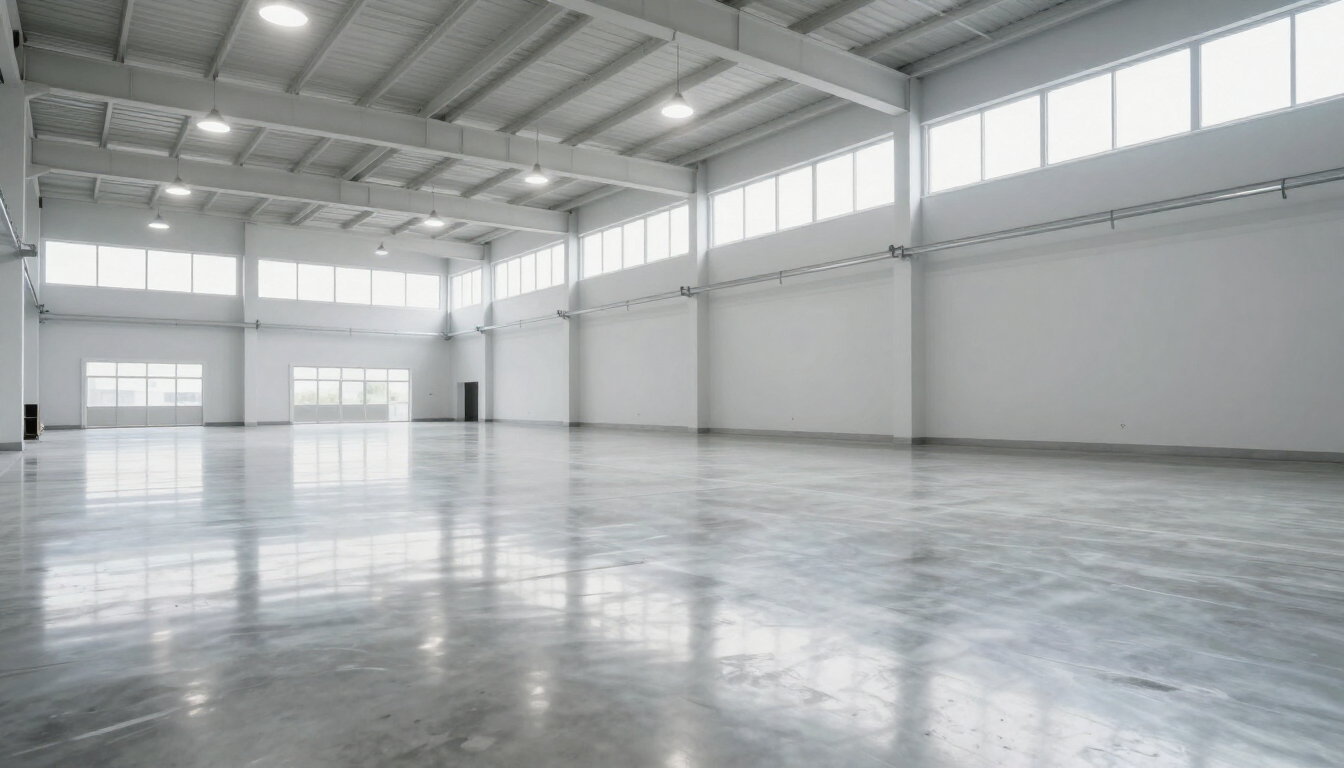
Polished Concrete Quality

When should you schedule moisture testing for your facility?

Timing is everything when it comes to moisture testing. For new construction, a concrete slab typically needs 28 days to cure, but it can take several months to dry to a level acceptable for coatings. Testing should be performed once the building is "enclosed," meaning the roof is on, windows are in, and the permanent HVAC system has been running for at least 48 to 72 hours. This ensures the test reflects the actual operating conditions of the building.

For existing buildings undergoing commercial concrete floor refinishing , testing should be one of the first steps in the site survey. This allows the contractor to identify any drainage issues or plumbing leaks that might be contributing to high moisture levels before any surface work begins. If you are planning a renovation in King of Prussia, PA or surrounding areas, scheduling a moisture assessment early can save weeks of delays later in the project.

Summary: Best Practices for Dry, Durable Concrete

Moisture testing is not just a checkbox; it is the foundation of a durable commercial floor. By measuring internal humidity and vapor emission rates, you protect your facility from the costly cycle of peeling, bubbling, and re-installation. Whether you are opting for a decorative flake system or a simple grind and seal, knowing the state of your slab is the only way to ensure a professional result that stands up to heavy foot traffic and machinery.

Key Takeaways for Commercial Owners:

  • Prevent Failure : Testing identifies hidden water that causes coatings to peel and bubble.
  • Warranty Compliance : Most professional flooring warranties require documented RH or MVER test results.
  • Safety First : Prevents "sweating slab syndrome" and mold growth in public-facing spaces.
  • Save Money : Avoids the massive expense of grinding off failed coatings and starting over.
  • Informed Decisions : Helps you decide if you need a standard sealer or a heavy-duty moisture mitigation system.

If you are ready to upgrade your facility, contact Forge Concrete Surfaces today for a professional evaluation and a floor that is built to last.

Recent Posts

Durable gym concrete flooring coatings for commercial fitness centers.
October 12, 2026
Upgrade your Phoenixville fitness facility with high-performance gym concrete flooring coatings. Learn about durability, slip resistance, and the best flooring options for heavy weights and daily use.
Industrial epoxy flooring detail in a warehouse environment
September 14, 2026
Learn how industrial epoxy flooring protects warehouses with superior chemical and impact resistance. Forge Concrete Surfaces explains the benefits for Phoenixville facilities.
Polished and ground commercial concrete floor in a modern warehouse setting
September 4, 2026
Learn the difference between concrete grinding and polishing. Discover why Phoenixville businesses need both for durable, high-gloss commercial floors.
A luxury retail showroom featuring a high-gloss metallic epoxy floor with grey and white marble-like swirls.
September 2, 2026
Discover how metallic epoxy floor designs transform Chester County retail stores. Explore styles, durability benefits, and maintenance for showrooms in PA.
Industrial concrete grinding machine preparing a commercial floor.
August 26, 2026
Learn why commercial concrete grinding is the essential first step for durable polishing and coatings. Forge Concrete Surfaces explains surface prep in Phoenixville, PA.
A professional comparison of sealed and coated commercial concrete floors in a Phoenixville facility.
August 19, 2026
Deciding between concrete sealing vs coating for your Phoenixville business? Compare costs, durability, and use cases for commercial floors in this expert guide.
High-quality decorative flake basement floor coating in Phoenixville
August 12, 2026
Better than paint! Learn why professional basement floor coating in Phoenixville, PA, is the best choice for durable, moisture-resistant flooring.
Clean polished concrete floor in a commercial building in Pennsylvania
August 5, 2026
Discover the ultimate concrete floor maintenance guide for PA businesses. Learn how to keep polished and sealed floors durable and clean year-round in Phoenixville and beyond.
Polished and stained commercial concrete floor in a modern office lobby.
July 31, 2026
Learn how commercial concrete staining works for businesses in Phoenixville, Malvern, and Wayne, PA. Compare acid vs. water-based stains and color options.
High-quality decorative flake garage floor coating in a modern Phoenixville home.
July 21, 2026
Explore garage floor coating options like epoxy and polyaspartic. Find the most durable solution for homes in Phoenixville and West Chester, PA.
Show More