Concrete Grinding vs Polishing: Why You Need Both in 2026

September 4, 2026

Share this article

Concrete grinding vs. polishing is not an "either-or" choice; they are sequential stages of the same restoration process. Grinding aggressively levels the slab and removes surface damage using coarse metal-bond diamonds, while polishing utilizes progressively finer resin-bond diamonds to achieve a smooth, high-gloss, and durable architectural finish.

What is the main difference between concrete grinding and polishing?

The primary difference lies in the level of abrasion and the desired end goal of the step. Concrete grinding is a surface preparation technique. It involves using heavy machinery equipped with coarse diamond segments to "cut" into the concrete. This process is essential for removing old coatings, leveling uneven joints, and exposing the fresh concrete aggregate underneath. If your floor has pits, cracks, or a stubborn epoxy layer from a previous tenant, grinding is the heavy-duty solution that solves those structural and aesthetic problems.

In contrast, concrete polishing is a finishing technique. It begins where grinding ends. Once the floor is flat and clean, technicians use finer and finer diamond-impregnated pads to buff the surface. Much like sanding wood, you move from a rough texture to a silky smooth one. Polishing doesn't remove significant amounts of material; instead, it closes the pores of the concrete, making it dense, reflective, and resistant to liquid penetration.

Understanding the Role of Concrete Grinding

For many property managers in Phoenixville, PA , the existing condition of a warehouse or retail floor is often less than ideal. This is where commercial concrete grinding becomes the most critical phase of the project. Without proper grinding, any subsequent polishing or coating will fail to bond or look uneven.

Grinding serves three main purposes:

  • Coating Removal: Stripping away old paint, glue, or failing epoxy.
  • Slab Leveling: Eliminating "trip hazards" by grinding down high spots and uneven expansion joints.
  • Opening the Pores: Removing the "laitance" (the weak, dusty top layer of concrete) to allow densifiers and sealers to penetrate deep into the slab.

At Forge Concrete Surfaces, we utilize planetary grinders that provide a consistent cross-hatch pattern, ensuring the floor is perfectly flat before we even think about the aesthetic finish. This is especially vital for industrial facilities where forklifts and heavy machinery require a level surface to operate safely.

Why is concrete polishing necessary for commercial spaces?

While grinding makes a floor functional, polishing makes it professional and high-performing. For businesses in Chester and Montgomery County, the visual appeal of a floor reflects the brand's quality. A polished concrete floor provides a sleek, modern look that mimics the appearance of natural stone but with the durability of industrial-grade material.

Beyond aesthetics, polishing offers several technical advantages:

  • Increased Light Reflectivity: A high-gloss polish can increase ambient light by up to 30%, reducing the need for overhead lighting in large warehouses or retail stores.
  • Reduced Maintenance: Because the polishing process closes the pores of the concrete, it doesn't trap dust or allergens, making it much easier to clean with just a damp mop.
  • Elimination of Dusting: Untreated concrete naturally "dusts" as it wears down. Polishing, combined with a chemical densifier, creates a hard surface that never produces dust.
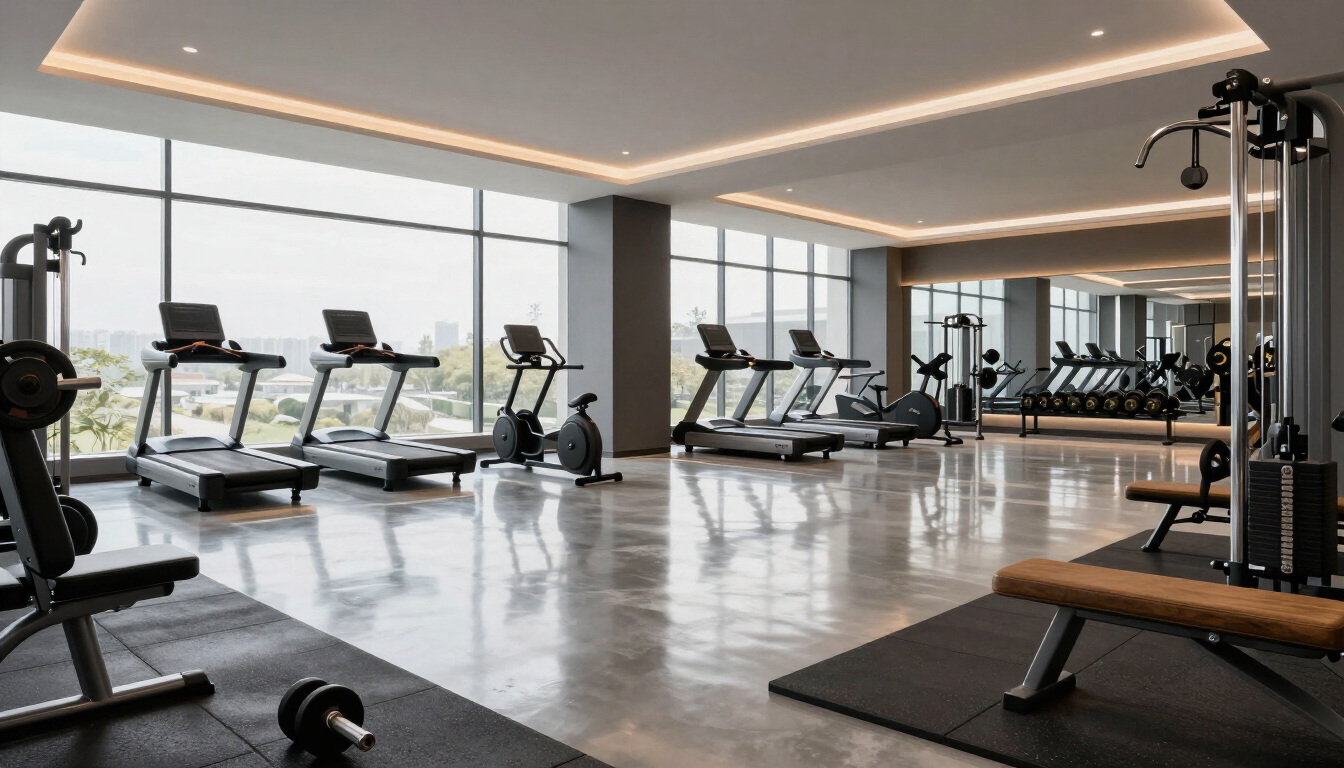
  • Durability: Polished floors are incredibly difficult to scratch or dent, making them ideal for high-traffic environments like gyms and healthcare facilities.

The Step-by-Step Restoration Process

When we handle a commercial concrete floor restoration project in Phoenixville, we follow a strict multi-step process to ensure the longevity of the floor. You cannot skip steps if you want a result that lasts a decade or more.

  1. Initial Assessment and Cleaning: We remove debris and identify deep oil stains or structural cracks that need specialized attention.
  2. Coarse Grinding: Using 16 to 40-grit metal-bond diamonds to remove old materials and level the slab.
  3. Honing (Intermediate Grinding): Stepping up to 80 to 150-grit diamonds to remove the scratches left by the coarse stage.
  4. Densification: We apply a liquid chemical hardener that reacts with the concrete to create a denser, more abrasion-resistant surface.
  5. Polishing: We transition to resin-bond diamond pads, ranging from 400 to 3000 grit, depending on the level of shine requested by the client.

This systematic approach ensures that the "shine" isn't just a topical sealer that will peel off, but a natural reflection of the concrete itself.

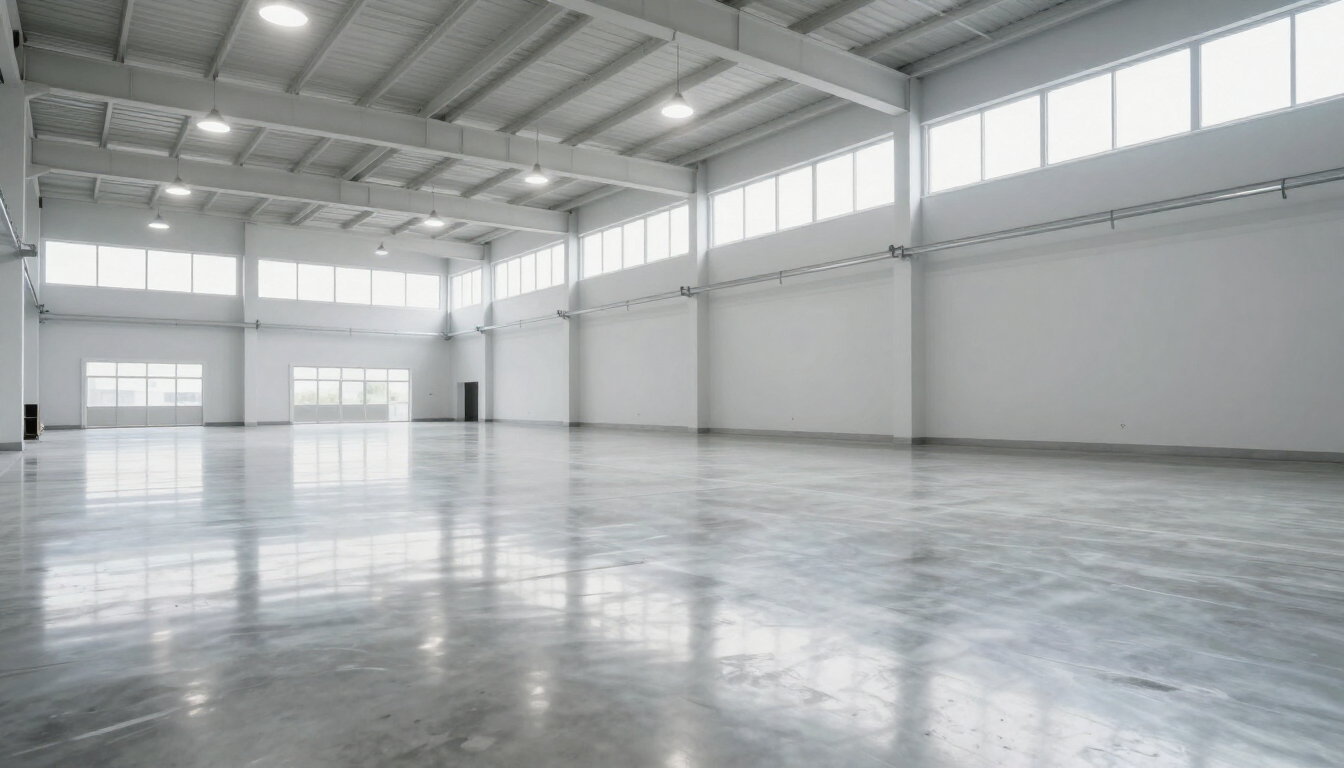
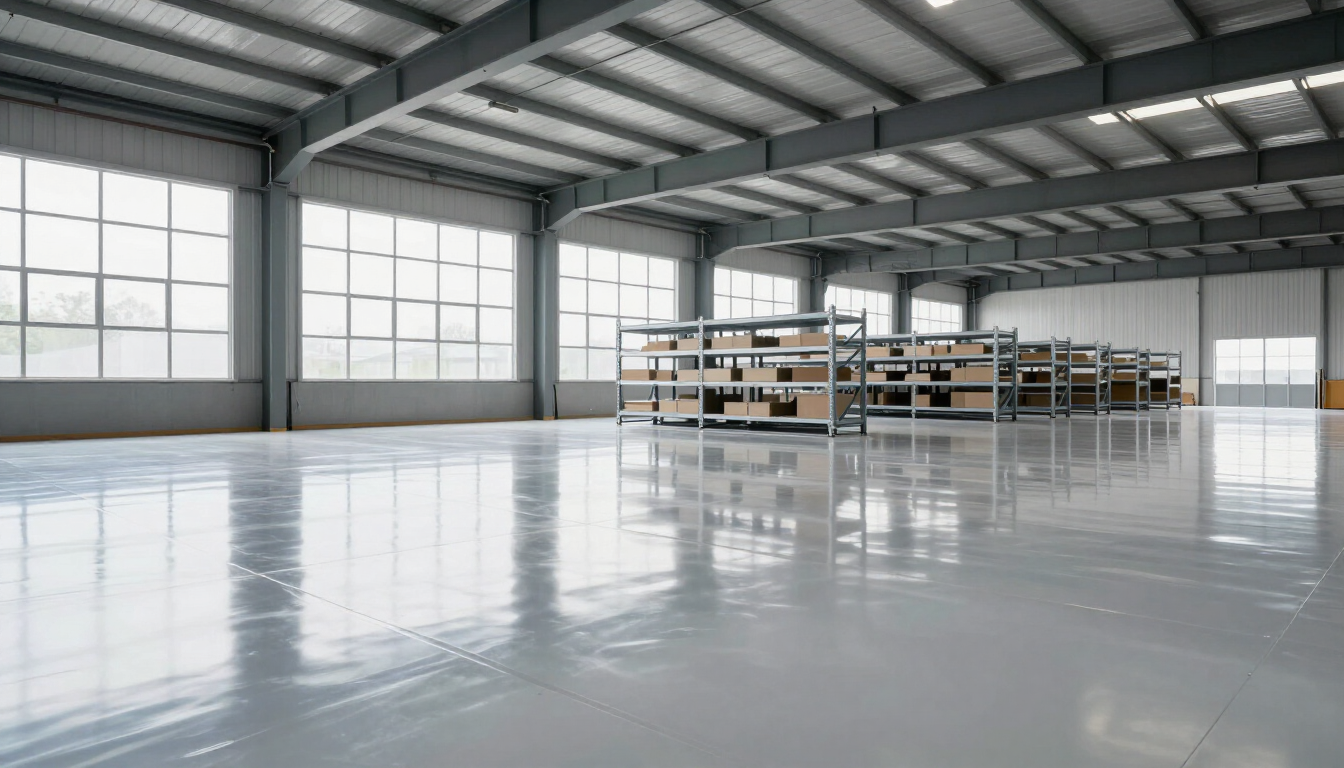
photorealistic close up of polished concrete floor showing high gloss reflection of industrial windows clean and professional

How do grinding and polishing work together for durability?

The synergy between grinding and polishing is what creates a high-performance floor. Think of grinding as the foundation and polishing as the architecture. If the foundation is poorly prepared, the architecture will crumble. Grinding ensures the slab is structurally sound and free of contaminants, while polishing provides the wear-layer that protects that slab from daily abuse.

In Phoenixville's industrial zones, floors are subjected to heavy loads, chemical spills, and constant foot traffic. A floor that is only ground but not polished will remain porous and susceptible to staining. A floor that is polished without proper initial grinding will look wavy and showcase every imperfection of the original pour. By combining both, Forge Concrete Surfaces provides a flooring system that is integrated into the slab itself, rather than a thin layer sitting on top of it.

Choosing the Right Finish for Phoenixville Businesses

Not every commercial space needs a mirror-like finish. We work with local business owners to determine the "grit level" that matches their operational needs. For example:

  • Warehouses: Often prefer a "level 1" or "level 2" polish. This focuses more on the grinding and densification for durability, with a matte or low-luster finish that hides tire marks from equipment.
  • Retail and Showrooms: Usually opt for a "level 3" or "level 4" high-gloss finish to create a luxury feel and maximize light.
  • Office Spaces: Often choose a "salt and pepper" look, where the initial grinding is shallow, only exposing the fine sand particles in the concrete for a speckled, modern aesthetic.

Regardless of the aesthetic choice, the process always starts with the same high-quality grinding standards. If you are unsure which level of finish your facility requires, we invite you to contact us for a site evaluation and a clear estimate tailored to your square footage and floor condition.

Summary of Key Takeaways

Understanding the distinction between these two processes helps property managers make informed decisions about their facility investments. To ensure your commercial floor performs at its best, remember these core points:

  • Grinding is the essential prep work that removes damage, levels the slab, and ensures the concrete is ready for a finish.
  • Polishing is the refinement process that creates the smooth, easy-to-clean, and reflective surface required for professional environments.
  • You need both to achieve a durable, long-lasting floor; skipping the grinding phase leads to poor adhesion and aesthetic failure.
  • Professional execution matters because using the wrong grit sequence or skipping densification will result in a floor that dulls prematurely.

By choosing a family-owned local specialist like Forge Concrete Surfaces, you gain access to a team that understands the local climate and the specific challenges of Pennsylvania's commercial real estate. We handle the entire process from the first heavy grind to the final high-speed burnish, ensuring your floor remains a functional asset for years to come.

Recent Posts

A luxury retail showroom featuring a high-gloss metallic epoxy floor with grey and white marble-like swirls.
September 2, 2026
Discover how metallic epoxy floor designs transform Chester County retail stores. Explore styles, durability benefits, and maintenance for showrooms in PA.
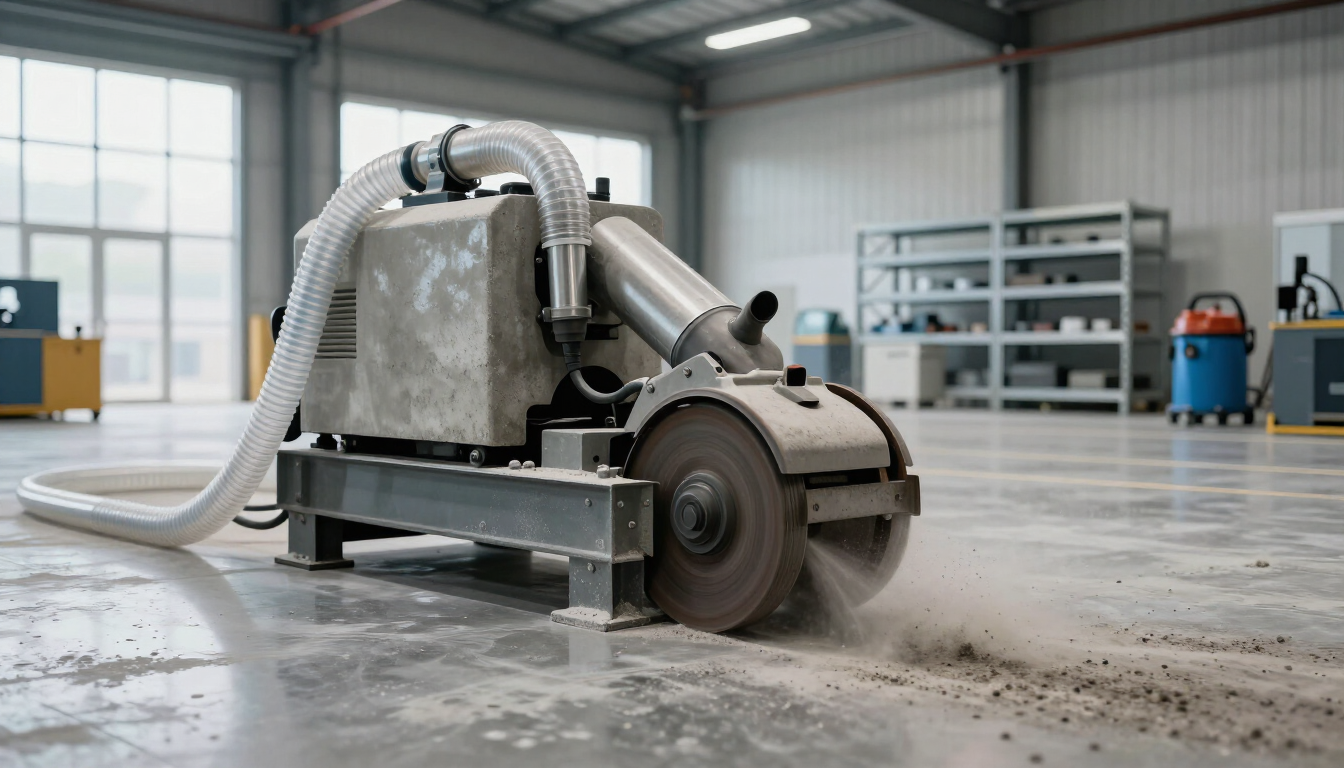
Industrial concrete grinding machine preparing a commercial floor.
August 26, 2026
Learn why commercial concrete grinding is the essential first step for durable polishing and coatings. Forge Concrete Surfaces explains surface prep in Phoenixville, PA.
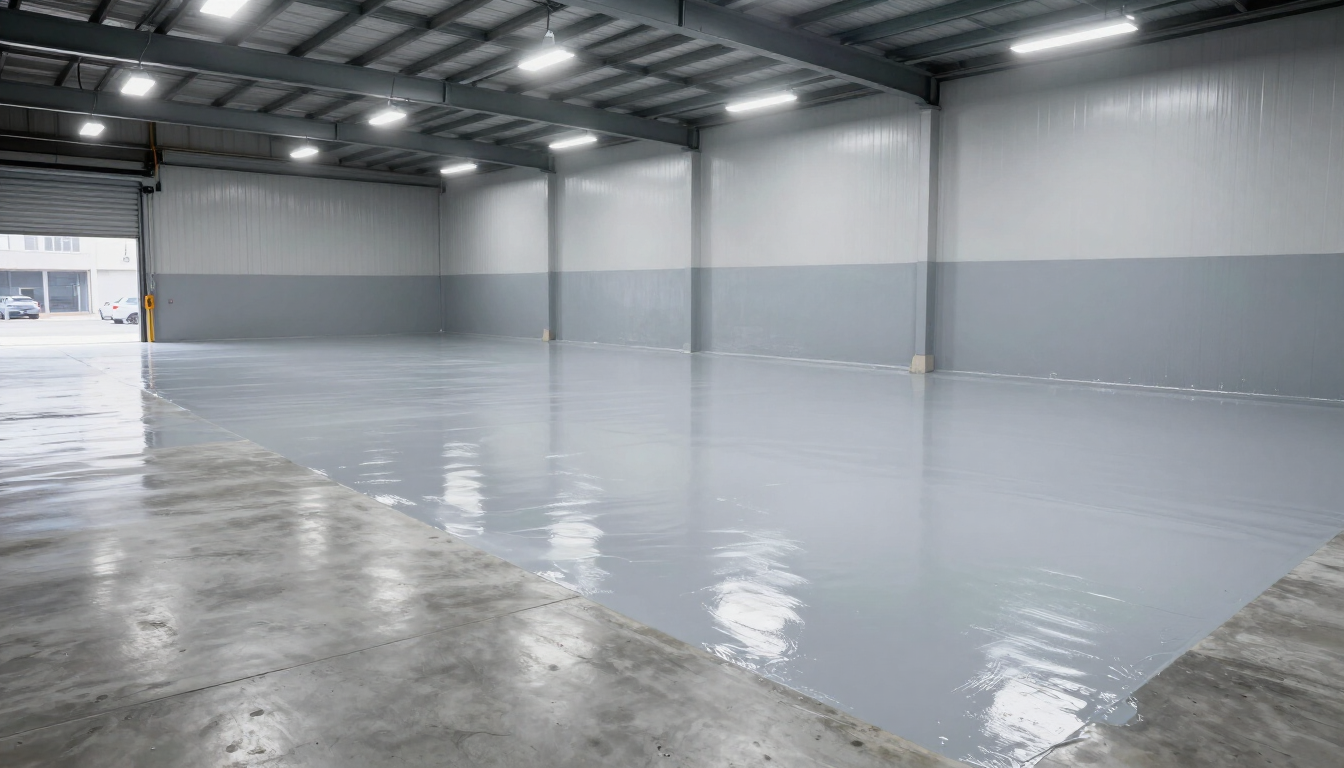
A professional comparison of sealed and coated commercial concrete floors in a Phoenixville facility.
August 19, 2026
Deciding between concrete sealing vs coating for your Phoenixville business? Compare costs, durability, and use cases for commercial floors in this expert guide.
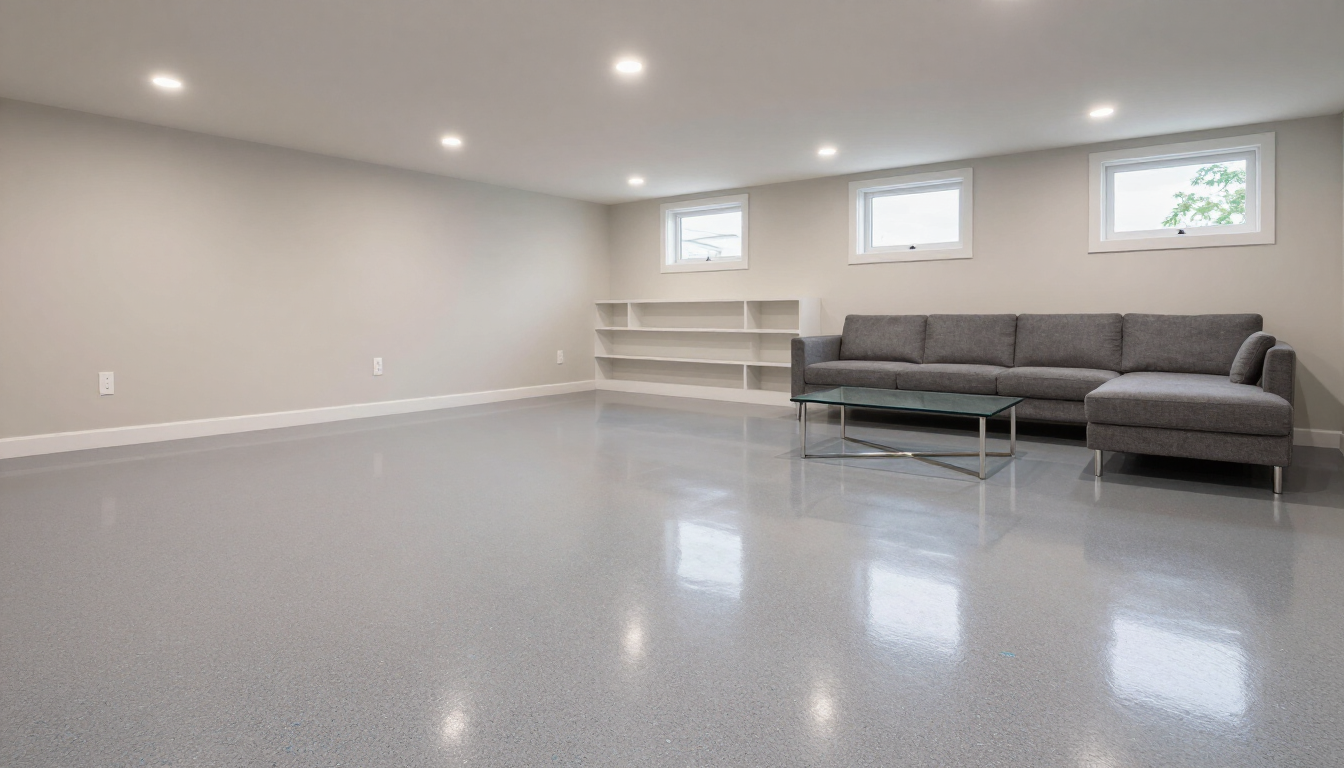
High-quality decorative flake basement floor coating in Phoenixville
August 12, 2026
Better than paint! Learn why professional basement floor coating in Phoenixville, PA, is the best choice for durable, moisture-resistant flooring.
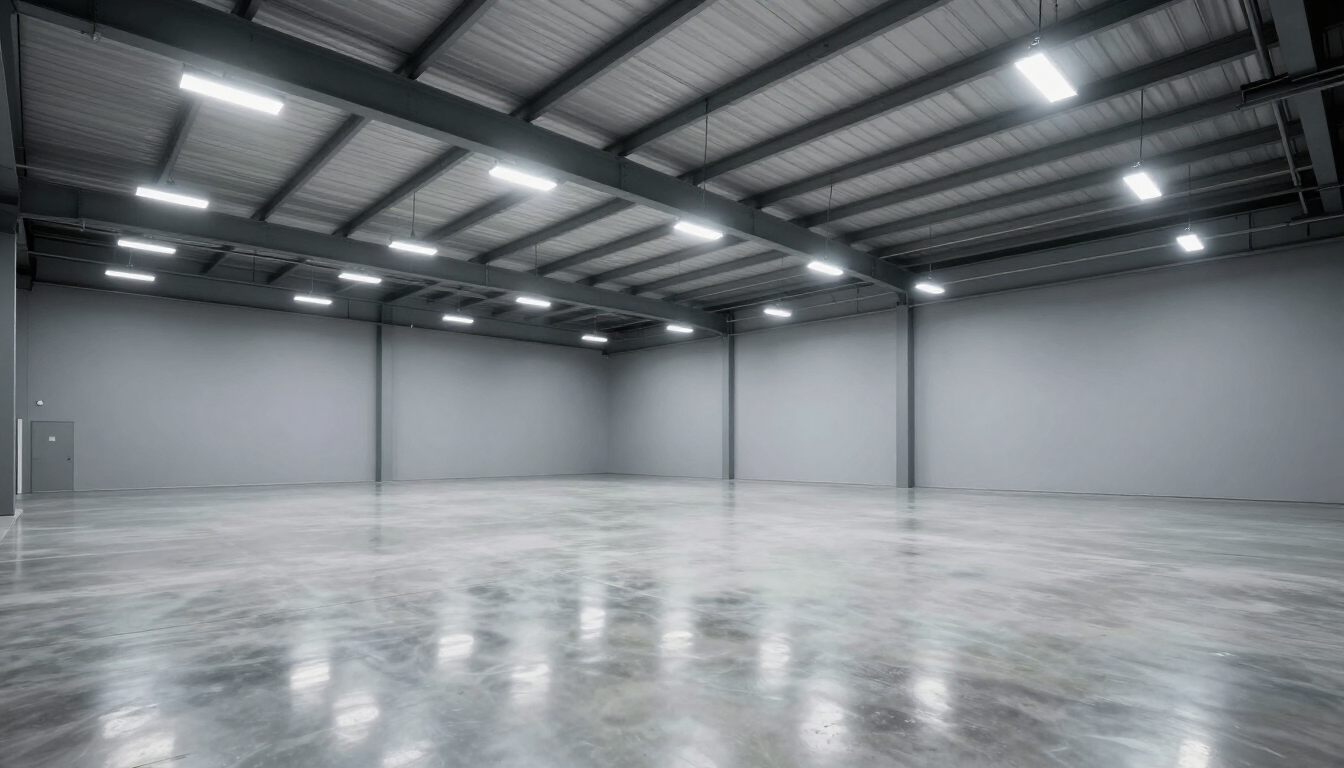
Clean polished concrete floor in a commercial building in Pennsylvania
August 5, 2026
Discover the ultimate concrete floor maintenance guide for PA businesses. Learn how to keep polished and sealed floors durable and clean year-round in Phoenixville and beyond.
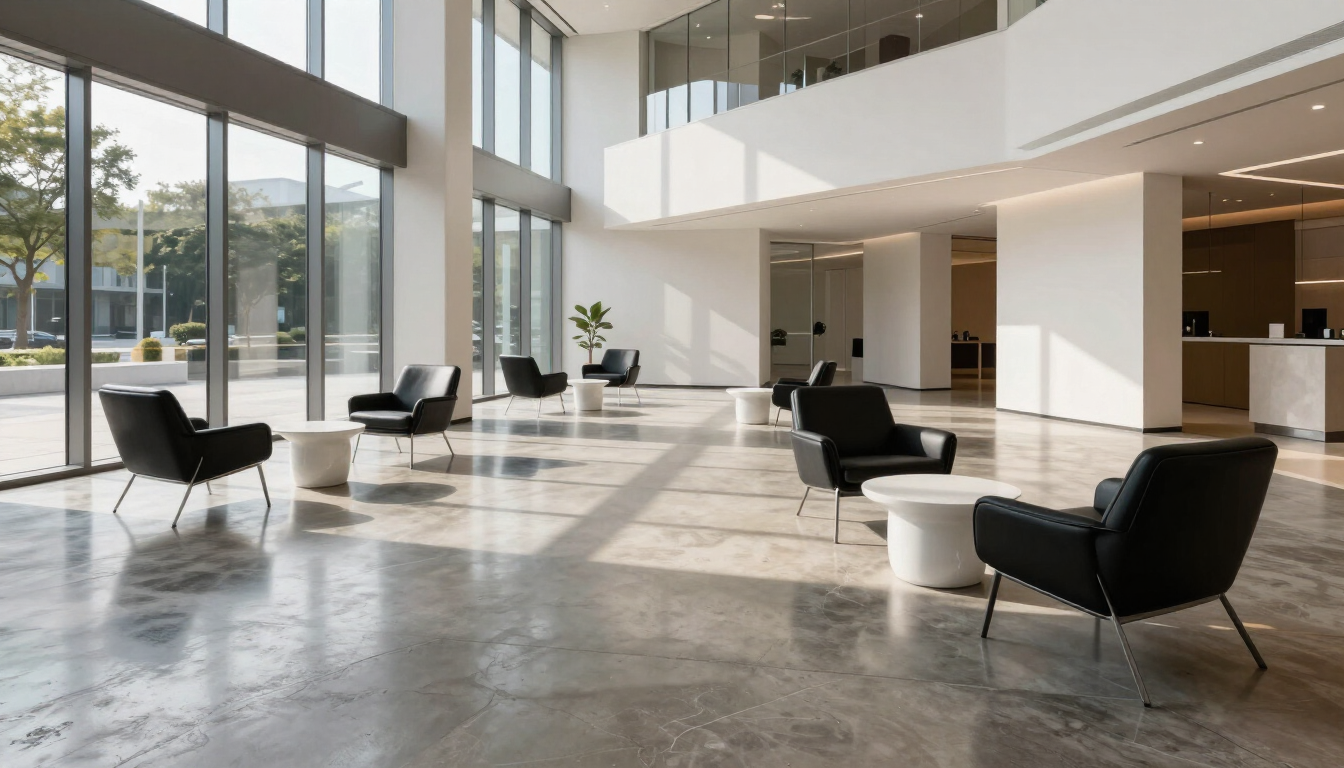
Polished and stained commercial concrete floor in a modern office lobby.
July 31, 2026
Learn how commercial concrete staining works for businesses in Phoenixville, Malvern, and Wayne, PA. Compare acid vs. water-based stains and color options.
High-quality decorative flake garage floor coating in a modern Phoenixville home.
July 21, 2026
Explore garage floor coating options like epoxy and polyaspartic. Find the most durable solution for homes in Phoenixville and West Chester, PA.
Shiny polished concrete flooring in a Chester County industrial warehouse.
July 6, 2026
Discover why warehouse operators in Chester County choose polished concrete for durable, low-maintenance industrial flooring solutions from Forge Concrete Surfaces.
Polished commercial concrete floor in a warehouse.
June 25, 2026
Learn how to determine if your commercial concrete floor needs restoration or a full replacement. Explore signs of damage, costs, and solutions for Phoenixville warehouses.
High gloss polished concrete floor in a modern Phoenixville warehouse.
June 8, 2026
Compare polished concrete vs. epoxy flooring for your Phoenixville business. Learn about durability, costs, and maintenance to choose the right floor.