Concrete Grinding : Why Prep Matters (in 2026)

August 26, 2026

Share this article

Commercial concrete grinding is the mechanical process of using abrasive diamond-tipped tools to remove surface contaminants, level uneven slabs, and open the concrete’s pores. It is the essential first step in surface preparation, ensuring that secondary finishes like stains, high-performance coatings, or polished finishes bond securely and last for decades.

Why is surface preparation so important for commercial floors?

If you are a business owner in Phoenixville, PA , you understand that your facility's floor is one of your most significant physical assets. Whether you are managing a warehouse, a retail showroom, or a healthcare clinic, the floor must withstand constant foot traffic, heavy machinery, and chemical spills. However, a common mistake made during renovations is focusing solely on the final aesthetic—the shine or the color—while ignoring what lies beneath. Surface preparation, specifically commercial concrete grinding , is the foundation upon which all successful flooring projects are built.

Without proper grinding, even the most expensive epoxy coating or high-end polish will eventually fail. The primary reason is the lack of a "mechanical bond." When concrete is poured, a weak, thin layer of cement paste called laitance often rises to the top. If you apply a coating directly onto this layer, the coating isn't actually sticking to the strong structural concrete; it’s sticking to a dusty, brittle surface. Over time, as forklifts drive over the floor or temperature changes cause the slab to expand and contract, that top layer will delaminate, leading to peeling, cracking, and costly repairs.

Professional grinding removes this laitance along with old adhesives, paint, and oils. This "opens up" the concrete, much like sanding wood before staining it, allowing the new finish to penetrate deep into the pores. This ensures that the floor remains a single, cohesive unit that can handle the rigors of industrial use. At Forge Concrete Surfaces, we emphasize that 90% of a floor’s longevity is determined by the work done before the first drop of sealer is ever applied.

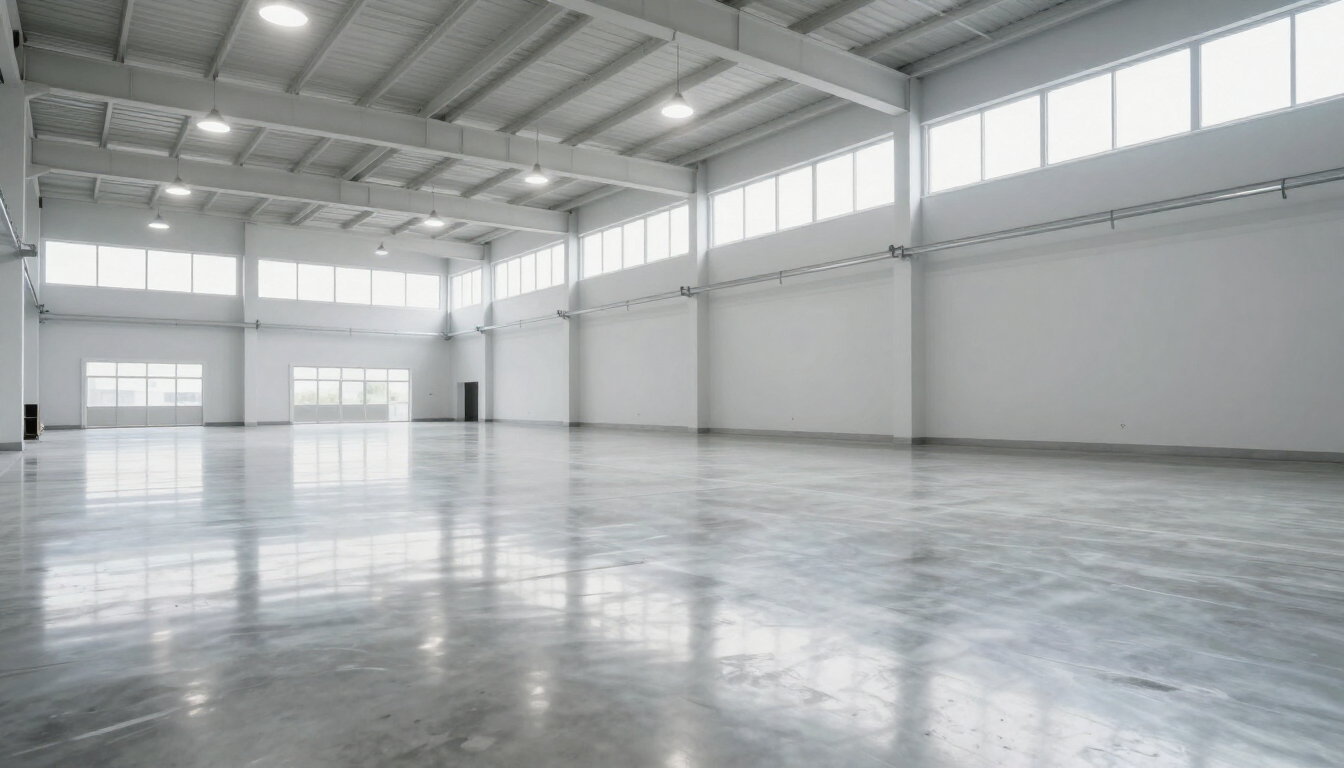
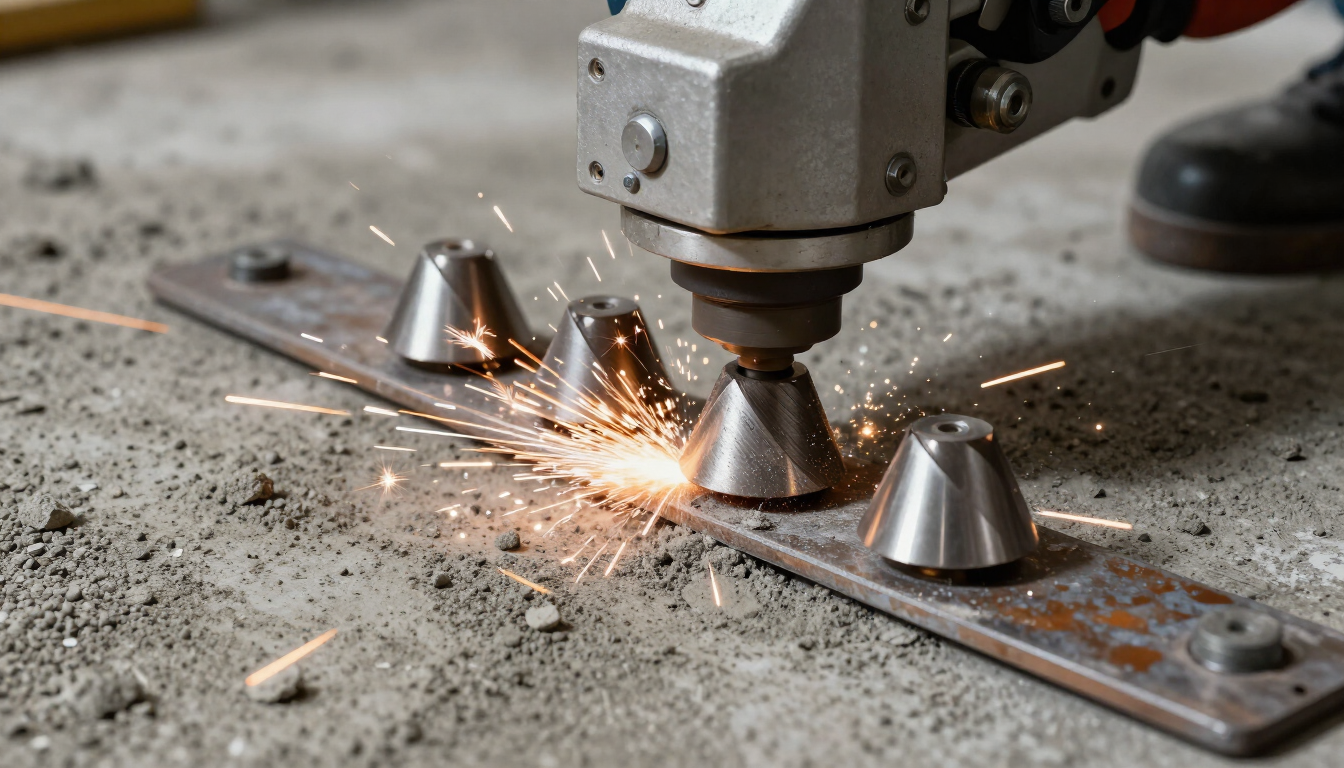
Industrial Grinding Process

How does the commercial concrete grinding process work?

The process of commercial concrete floor restoration is both an art and a science. It begins with an assessment of the current slab’s condition. Is the concrete soft or hard? Are there deep cracks or major unevenness? Once the assessment is complete, we use large, planetary grinders—heavy machines with rotating heads that hold specialized diamond-impregnated segments. The process typically follows these stages:

  • Initial Course Grinding: We start with low-grit diamonds (usually 16 to 30 grit) to remove heavy coatings, mastics, or high spots in the slab.
  • Refinement Steps: We gradually move to higher grits (such as 70 or 120) to smooth out the scratches left by the initial pass.
  • Dust Mitigation: Throughout the process, we use high-powered HEPA-filtered vacuums connected directly to the grinders to ensure a near-dustless environment.
  • Edge Work: While the large machines handle the main floor, smaller hand-grinders are used to prep corners and edges where the big machines can't reach.
  • Final Inspection: We verify the Concrete Surface Profile (CSP) to ensure it matches the requirements for the intended finish.

This systematic approach ensures that the slab is perfectly level and porous enough to receive a treatment. For businesses in King of Prussia, PA , where many older industrial buildings feature multiple layers of old flooring, this process is vital for revealing the healthy concrete hidden beneath decades of wear.

One of the most frequent questions we receive is about the mess. In the past, grinding was a dusty, dirty affair that could contaminate inventory and air ducts. However, modern commercial grinding is remarkably clean. By using industrial-grade dust extraction systems, we can work in active environments—such as retail stores or offices—without requiring a total shutdown of the building’s HVAC system. This efficiency allows for a faster turnaround, getting your business back to full operation sooner.

Understanding the Concrete Surface Profile (CSP)

The International Concrete Repair Institute (ICRI) has established standards known as Concrete Surface Profiles (CSP) to define how rough or smooth a prepared surface should be. This is not a one-size-fits-all metric. For instance, a thin-film sealer might only require a CSP 1 or 2 (a light grind), while a thick self-leveling epoxy system might require a CSP 4 or 5 (a much more aggressive, textured grind).

Matching the grind to the specification is where professional expertise becomes invaluable. If the grind is too smooth, the coating won't stick. If it's too rough, you will use significantly more material than budgeted, and the final surface may appear uneven. By precisely controlling the grit of the diamonds and the speed of the machines, we create the exact profile needed for the specific product you’ve chosen for your facility.

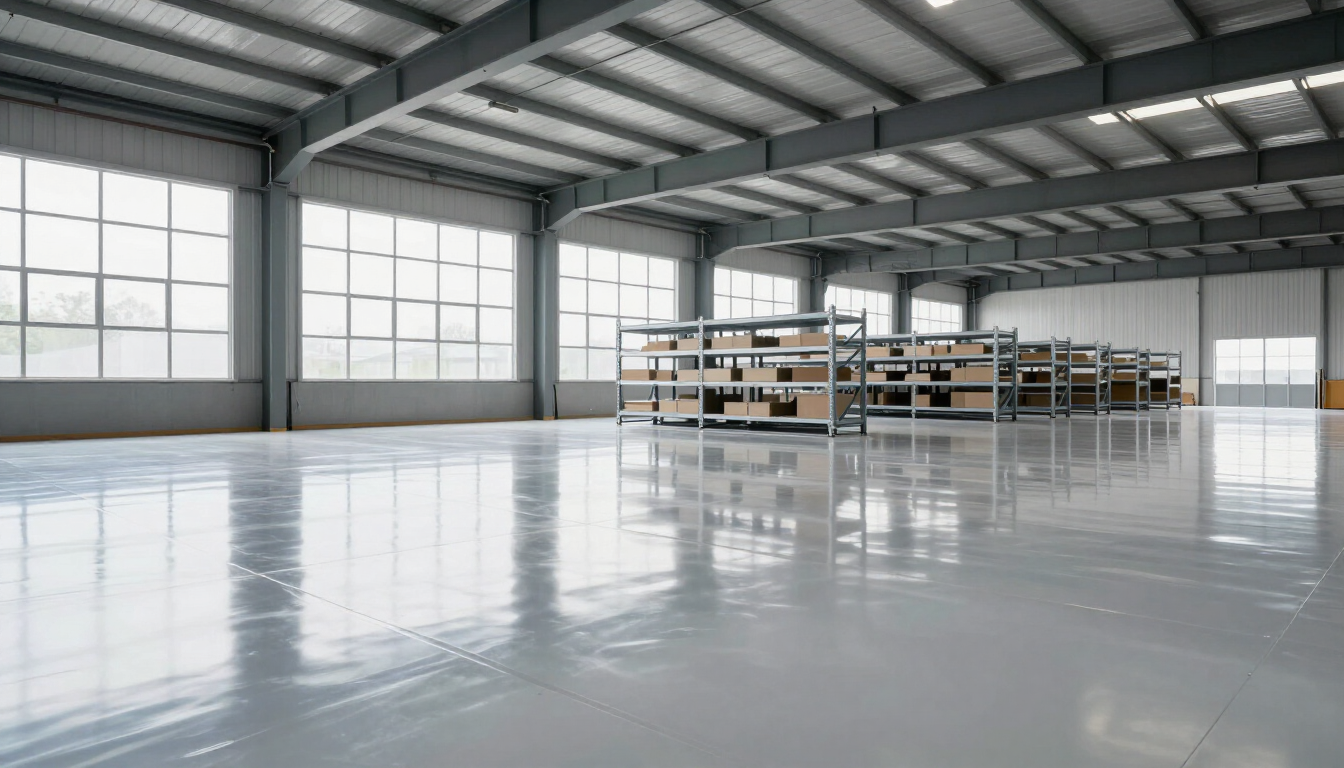
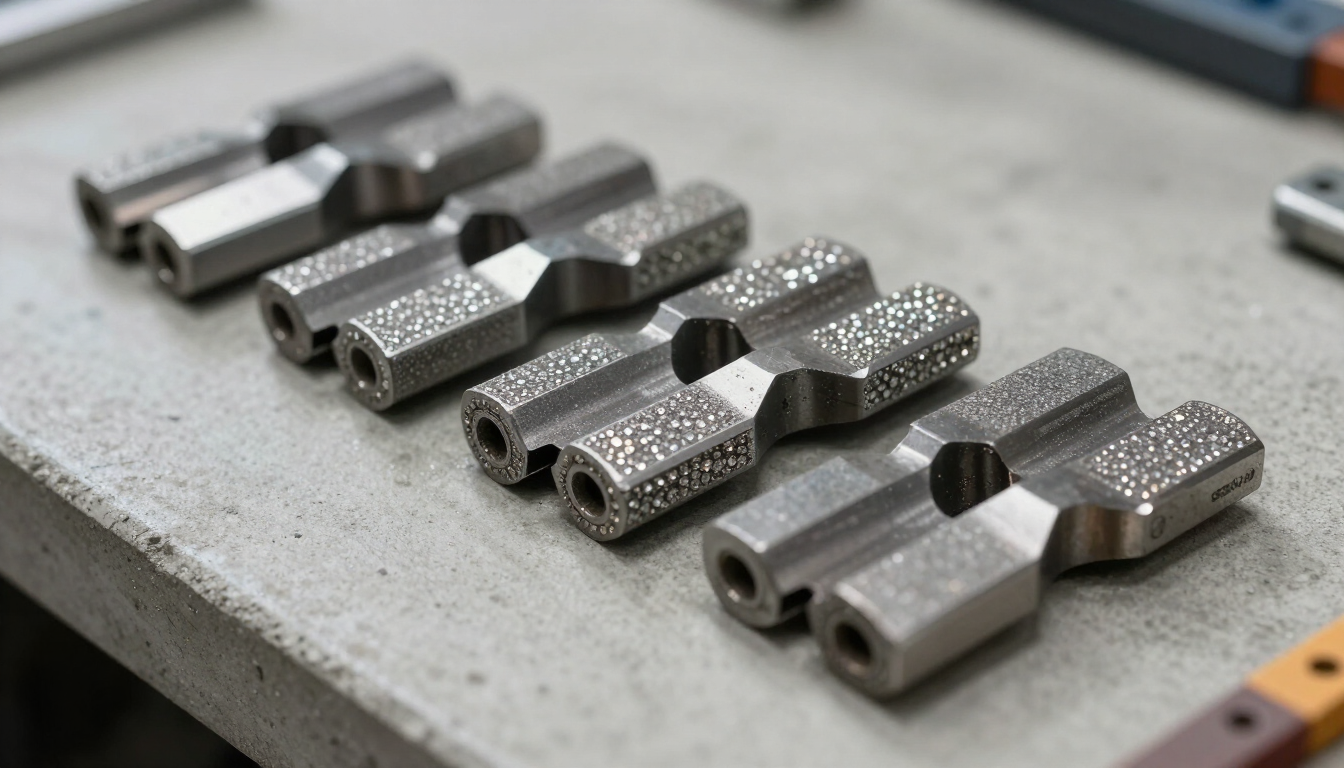
Grinding Tooling

What happens if you skip professional concrete grinding?

It is tempting to look at a concrete floor that "looks clean" and assume it is ready for a new coat of paint or sealer. However, skipping the grinding stage is the fastest way to waste a flooring budget. When contractors rely on "acid etching" or simple power washing instead of mechanical grinding, they often leave behind microscopic contaminants that repel coatings. This is especially true in environments like auto shops or manufacturing plants where oils have leached into the slab over several years.

Here are the most common failures resulting from poor preparation:

  • Delamination: The new floor literally peels away from the concrete in large sheets.
  • Bubbling and Blistering: Trapped moisture or air in the pores reacts with the coating, creating unsightly bumps.
  • Early Wear: Without a deep bond, the coating wears through much faster in high-traffic areas.
  • Visible Imperfections: Every bump, ridge, or dip in the original slab will be magnified by a high-gloss finish.
  • Ghosting: Old patterns from previous tile or carpet remain visible through the new translucent stain.

Investing in commercial concrete floor refinishing that includes a thorough grinding phase is an investment in durability. In the long run, the cost of grinding is far lower than the cost of stripping a failed floor and starting over. For facility managers in West Chester, PA , where industrial standards are high, ensuring the job is done right the first time is a matter of operational efficiency.

The Role of Grinding in Polished Concrete

When your goal is commercial concrete polishing , grinding isn't just about cleaning the floor—it's about creating the aesthetic. The first few passes of the grinder determine how much aggregate (the small stones inside the concrete) will be visible. A "cream finish" involves very light grinding to keep the surface uniform, while a "large aggregate exposure" requires deep grinding to reveal the character of the stones within the slab. This flexibility allows businesses to customize the look of their floors to match their brand identity, from sleek modern offices to rugged, industrial-chic retail spaces.

Grinding also addresses "lipage"—those small height differences between different sections of the slab. By grinding across the joints, we create a perfectly flat, seamless surface. This is particularly important for safety, as it eliminates trip hazards and allows wheeled carts and forklifts to travel smoothly across the floor without the jarring impact of uneven joints.

Choosing the right concrete grinding contractor in Phoenixville

When you are ready to upgrade your facility, you need a partner who understands the local conditions. At Forge Concrete Surfaces, we are a family-owned business deeply rooted in the Phoenixville, PA community. We don't just provide a service; we provide a flooring system tailored to the specific needs of your building. From Malvern to Wayne , we help businesses transform their environments into high-performing, professional spaces.

Our process includes detailed site evaluations and transparent estimates. We understand that every day your floor is under construction is a day of lost productivity. That’s why we use the latest technology to ensure our grinding and commercial concrete sealing processes are as fast and non-disruptive as possible. Whether you need a simple commercial concrete staining project or a full-scale industrial restoration, we have the equipment and the expertise to handle it.

We also offer ongoing commercial concrete floor maintenance to ensure that once your floor is ground and finished, it stays looking its best for years to come. Proper maintenance starts with a properly prepared floor, as a well-bonded finish is much easier to clean and resistant to staining.

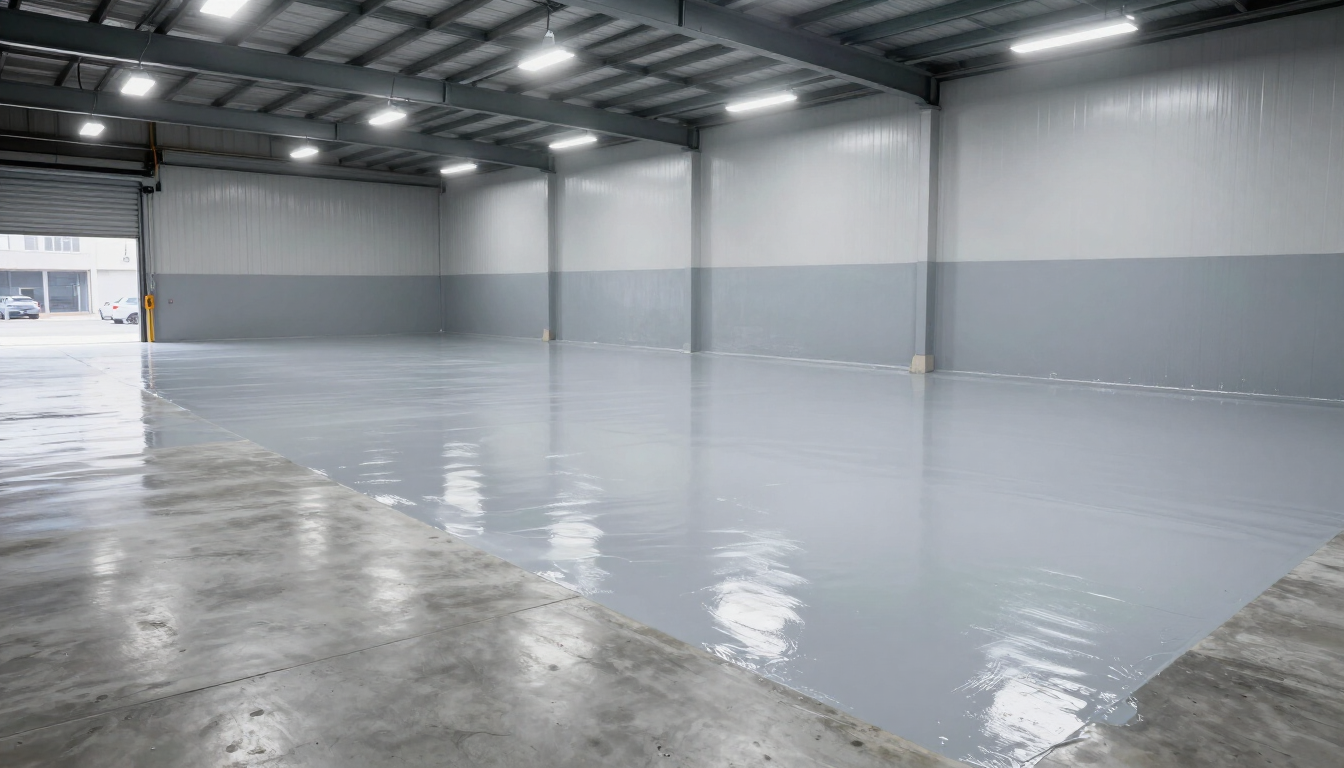
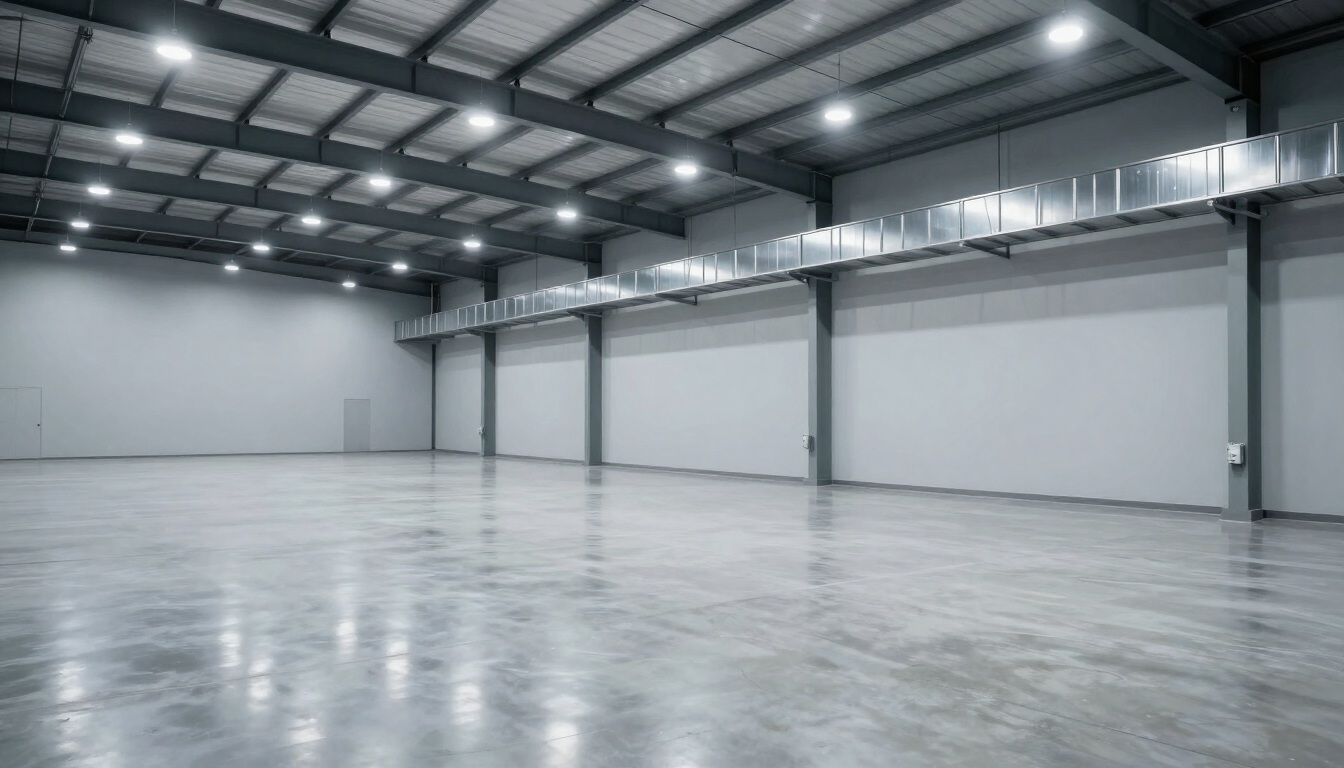
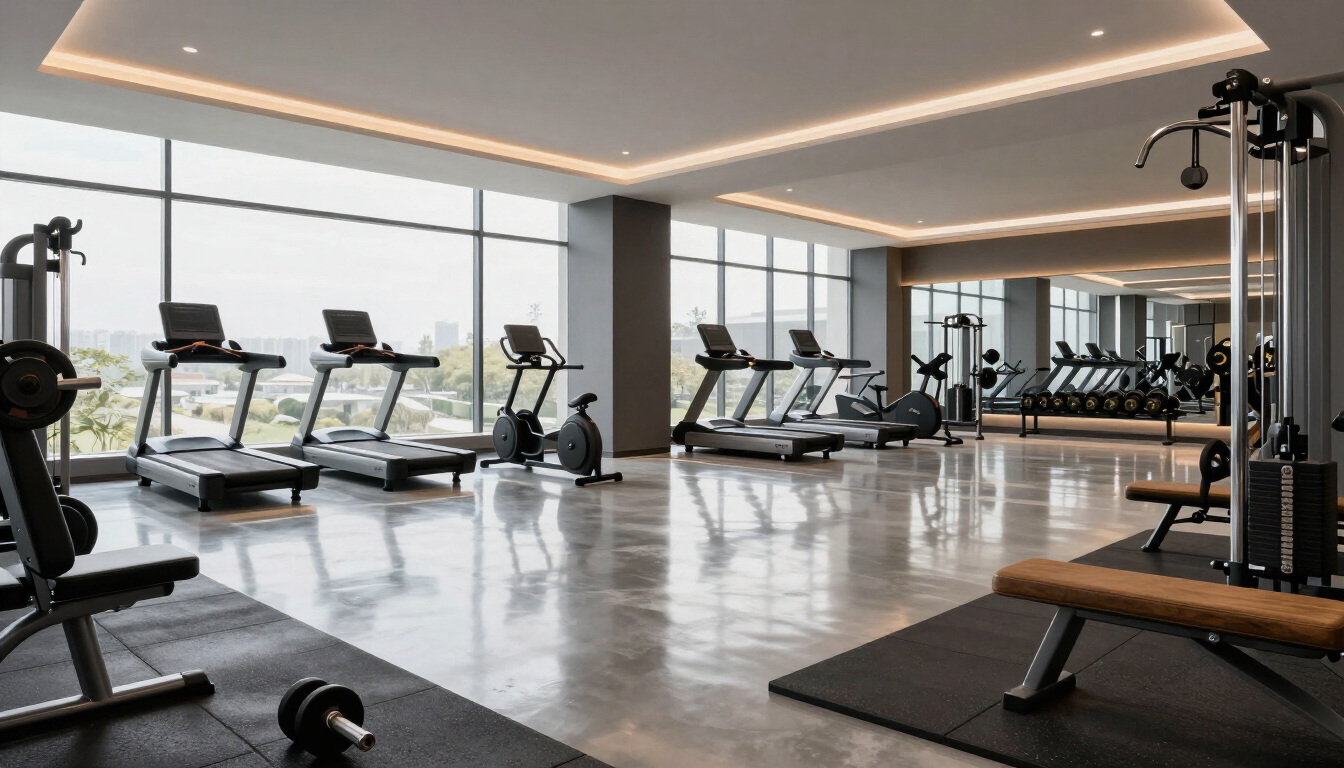
Finished Commercial Floor

Key Takeaways for Facility Managers

Concrete grinding is the non-negotiable first step for any successful commercial flooring project. It removes contaminants, levels the slab, and creates the necessary mechanical bond for new finishes. By prioritizing surface preparation, you ensure a durable, safe, and professional-looking floor that stands up to industrial demands.

  • Bonding: Grinding creates the "profile" needed for coatings to stick permanently.
  • Cleanliness: Modern methods use HEPA vacuums for near-dustless operation.
  • Longevity: Properly ground floors last significantly longer than those that are merely etched.
  • Aesthetics: Grinding determines the level of stone exposure in polished concrete.
  • Safety: The process levels uneven slabs and removes trip hazards at joints.

Ready to transform your commercial space? Contact Forge Concrete Surfaces today for a professional assessment and a floor that is built to last.

Recent Posts

A professional comparison of sealed and coated commercial concrete floors in a Phoenixville facility.
August 19, 2026
Deciding between concrete sealing vs coating for your Phoenixville business? Compare costs, durability, and use cases for commercial floors in this expert guide.
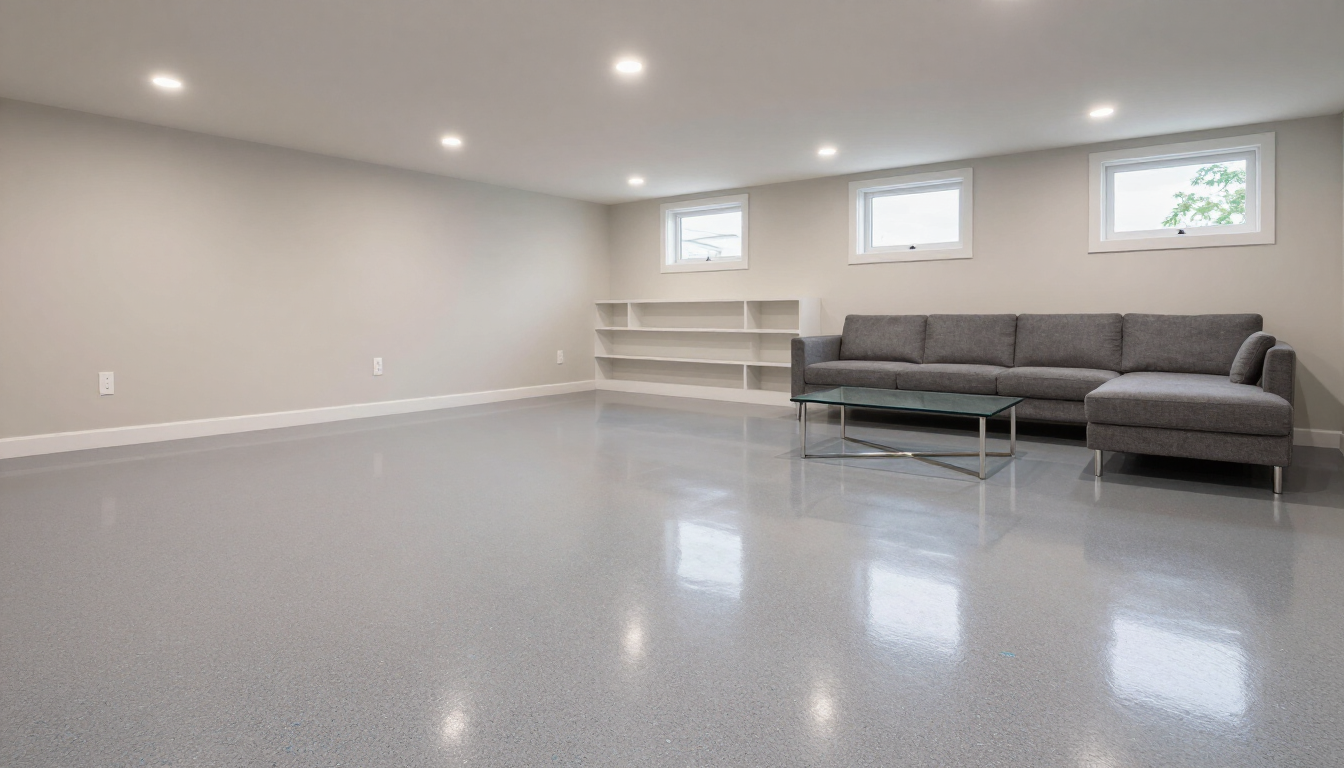
High-quality decorative flake basement floor coating in Phoenixville
August 12, 2026
Better than paint! Learn why professional basement floor coating in Phoenixville, PA, is the best choice for durable, moisture-resistant flooring.
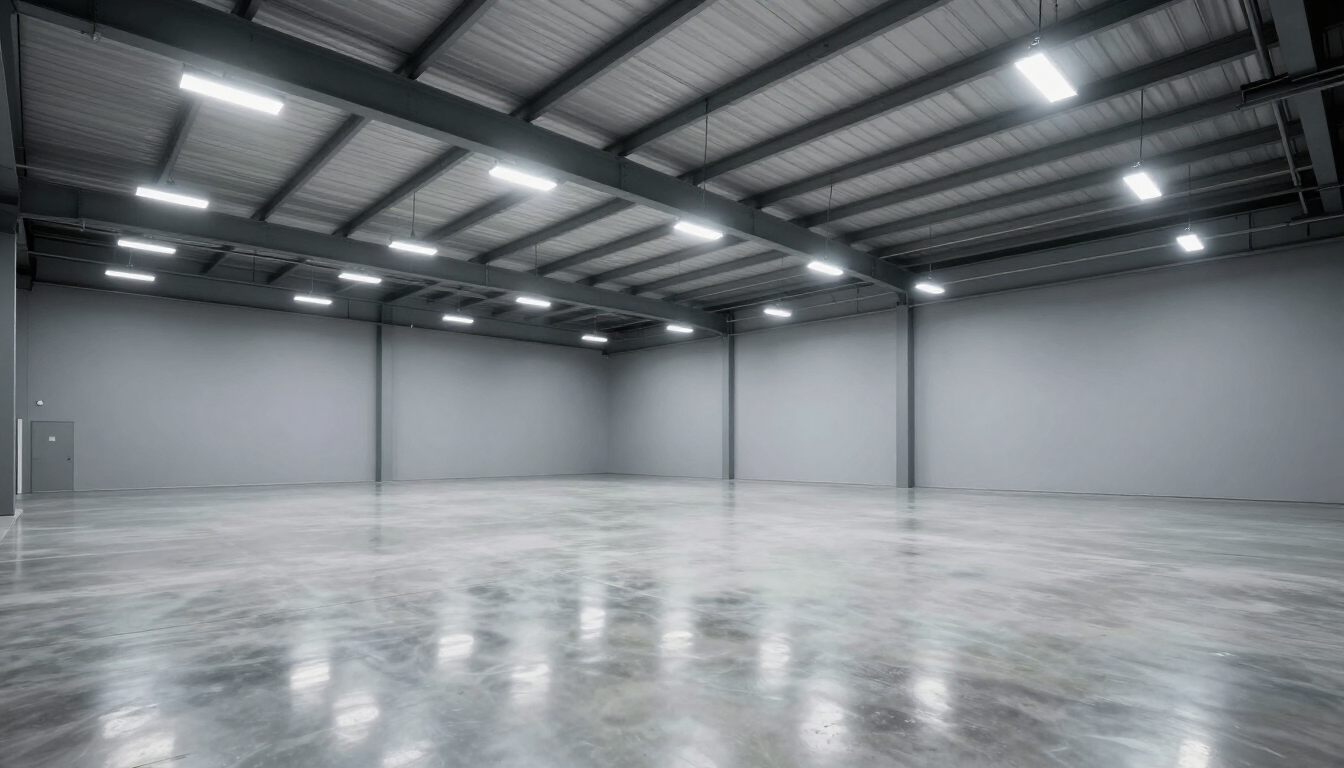
Clean polished concrete floor in a commercial building in Pennsylvania
August 5, 2026
Discover the ultimate concrete floor maintenance guide for PA businesses. Learn how to keep polished and sealed floors durable and clean year-round in Phoenixville and beyond.
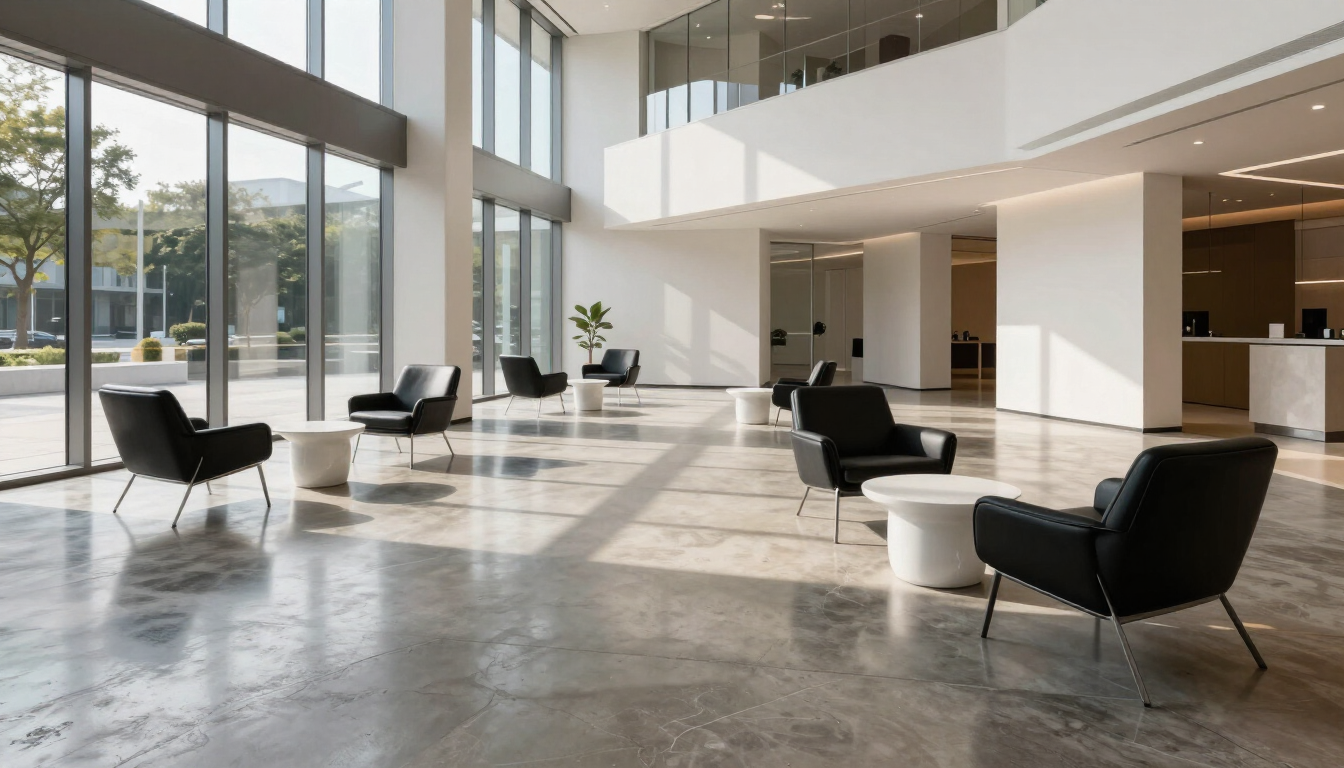
Polished and stained commercial concrete floor in a modern office lobby.
July 31, 2026
Learn how commercial concrete staining works for businesses in Phoenixville, Malvern, and Wayne, PA. Compare acid vs. water-based stains and color options.
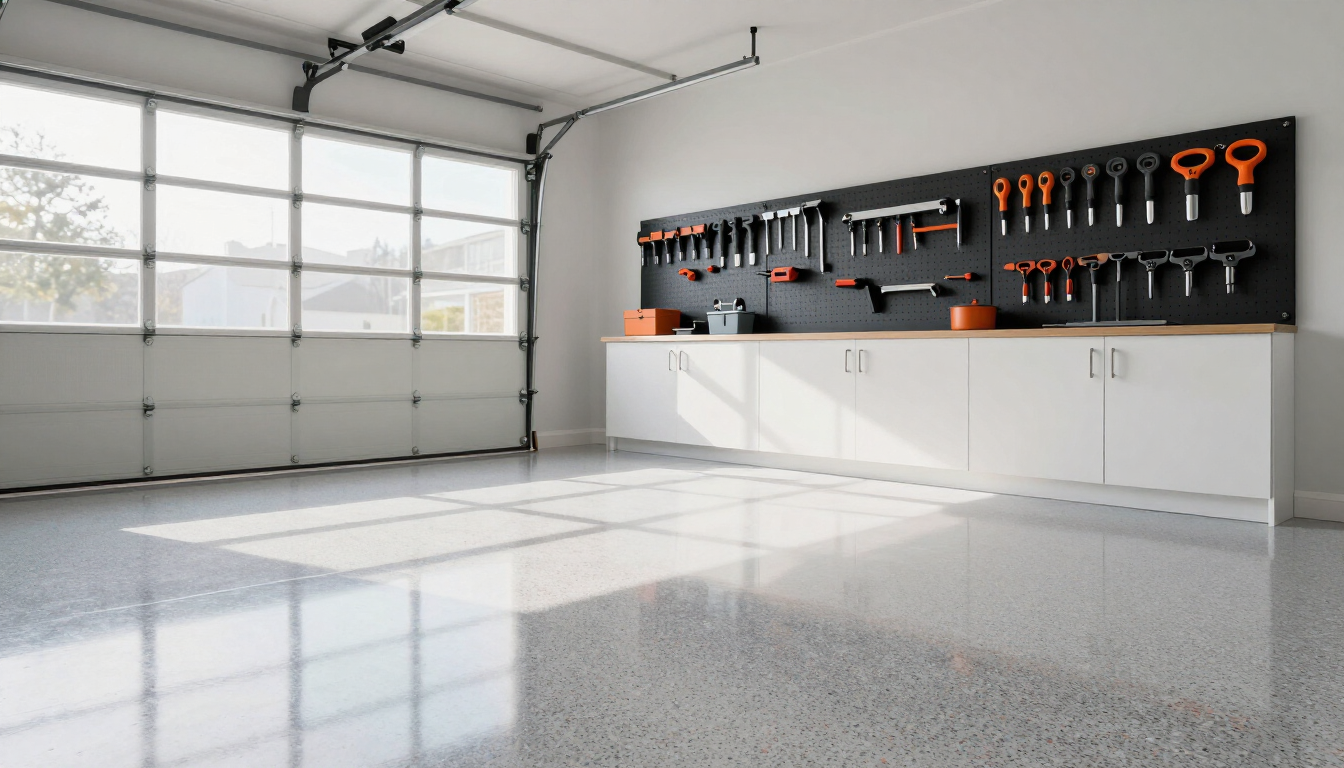
High-quality decorative flake garage floor coating in a modern Phoenixville home.
July 21, 2026
Explore garage floor coating options like epoxy and polyaspartic. Find the most durable solution for homes in Phoenixville and West Chester, PA.
Shiny polished concrete flooring in a Chester County industrial warehouse.
July 6, 2026
Discover why warehouse operators in Chester County choose polished concrete for durable, low-maintenance industrial flooring solutions from Forge Concrete Surfaces.
Polished commercial concrete floor in a warehouse.
June 25, 2026
Learn how to determine if your commercial concrete floor needs restoration or a full replacement. Explore signs of damage, costs, and solutions for Phoenixville warehouses.
High gloss polished concrete floor in a modern Phoenixville warehouse.
June 8, 2026
Compare polished concrete vs. epoxy flooring for your Phoenixville business. Learn about durability, costs, and maintenance to choose the right floor.