
Industrial Epoxy Flooring: Chemical & Impact Guide
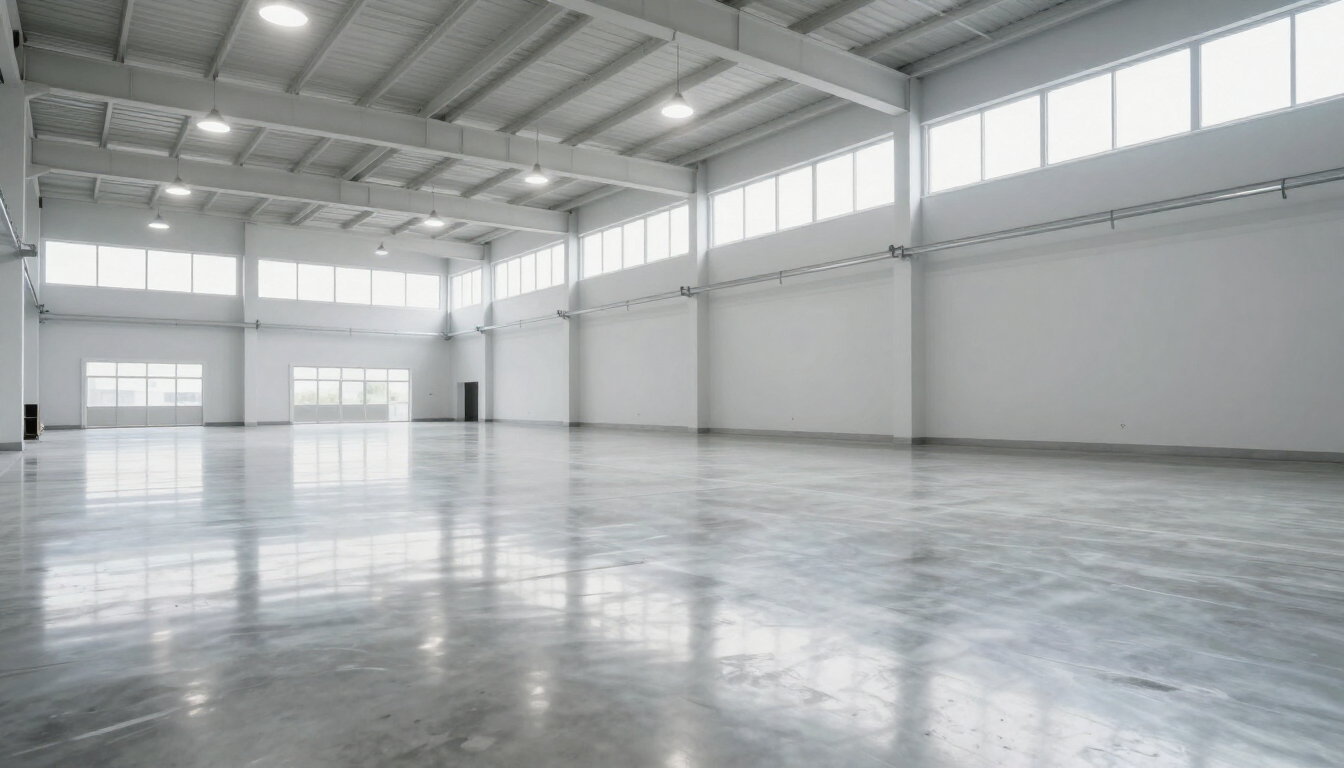
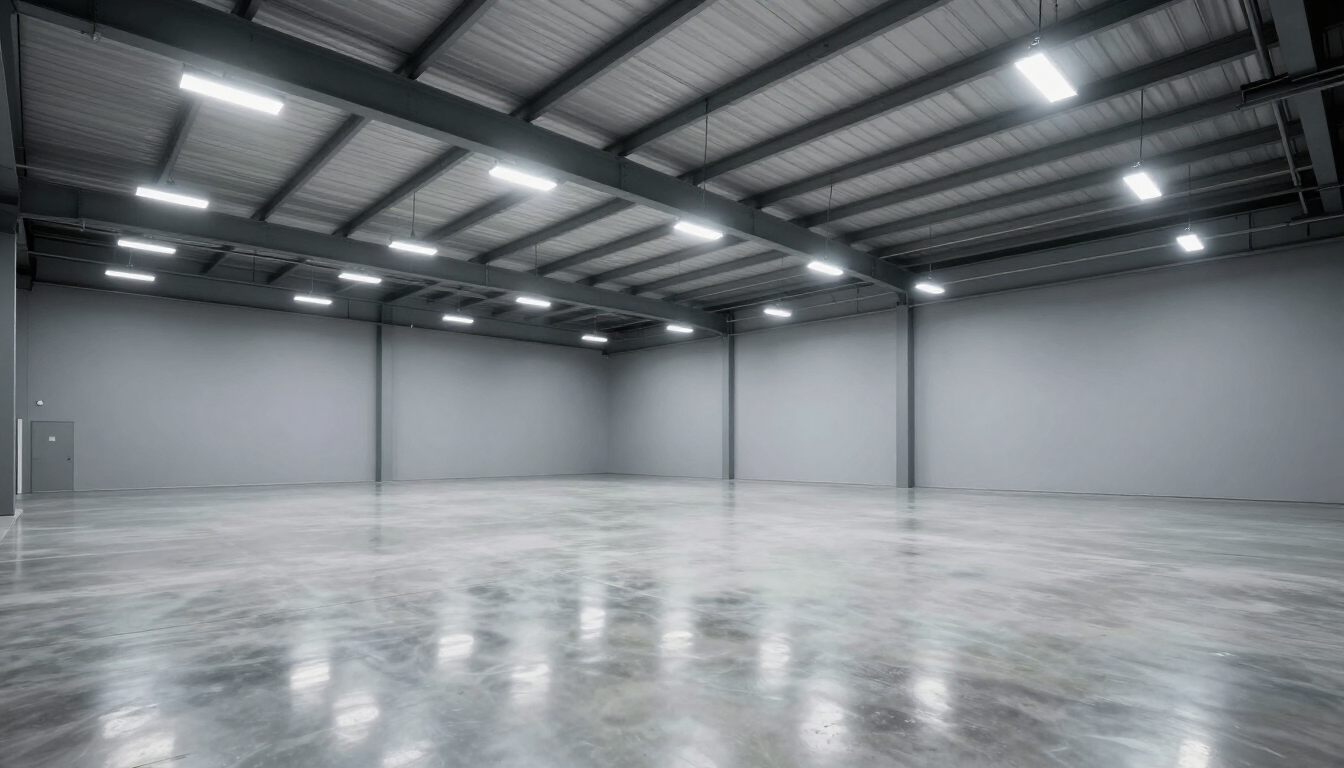
Industrial epoxy flooring is a heavy-duty resinous coating applied over concrete to create a non-porous, high-strength surface. Engineered for warehouses, it provides exceptional resistance to harsh chemicals, heavy machinery impacts, and constant foot traffic, ensuring long-term structural integrity and safety in demanding industrial environments across Phoenixville and beyond.
Why is impact resistance critical for warehouses?
In the fast-paced environment of a modern warehouse or distribution center, the floor is subjected to extreme physical stress every single day. Impact resistance is not just a luxury; it is a fundamental requirement for operational continuity. When heavy pallets are dropped, or forklifts move at high speeds, the energy transferred to the floor can cause standard concrete to crack, spall, or chip. Once the surface of the concrete is breached, the structural integrity of the entire slab is at risk.
Industrial epoxy flooring is specifically formulated to absorb and distribute these mechanical shocks. Unlike brittle materials that shatter under pressure, high-grade industrial epoxy possesses a degree of flexural strength. This allows the coating to withstand the "point loading" of heavy machinery and the sudden impact of falling objects without losing its bond to the substrate. For facilities in Phoenixville, PA , maintaining a smooth, impact-resistant surface is essential to prevent vehicle damage and worker tripping hazards.
Key factors that contribute to impact resistance in epoxy systems include:
- Compressive Strength : The ability of the material to withstand downward pressure from heavy racking and equipment.
- Tensile Strength : The capacity to resist being pulled apart or cracking when the underlying concrete shifts slightly.
- Adhesion Quality : A superior bond prevents the epoxy from delaminating or "peeling" when struck by heavy objects.
- Coating Thickness : Thicker, high-build systems provide a deeper cushion against severe physical trauma.
- Aggregate Reinforcement : Adding quartz or other minerals can further harden the surface against gouging.
How does industrial epoxy resist chemical spills?
Chemical resistance is perhaps the most significant advantage of epoxy coatings over traditional Commercial Concrete Sealing . In industrial settings, floors are frequently exposed to corrosive substances, including oils, fuels, solvents, and acidic cleaning agents. Raw concrete is naturally porous, meaning it acts like a sponge, drawing liquids deep into its matrix. When chemicals penetrate concrete, they can weaken the slab from the inside out, leading to rot, odors, and environmental contamination.
Industrial epoxy creates a dense, cross-linked molecular barrier that is virtually impermeable. This non-porous surface ensures that spilled chemicals sit on top of the coating rather than soaking in, providing staff with ample time to perform safe cleanup procedures. This is particularly vital in automotive manufacturing, chemical processing, and food and beverage facilities where hygiene and containment are paramount.
Essential Benefits of Industrial Epoxy Systems
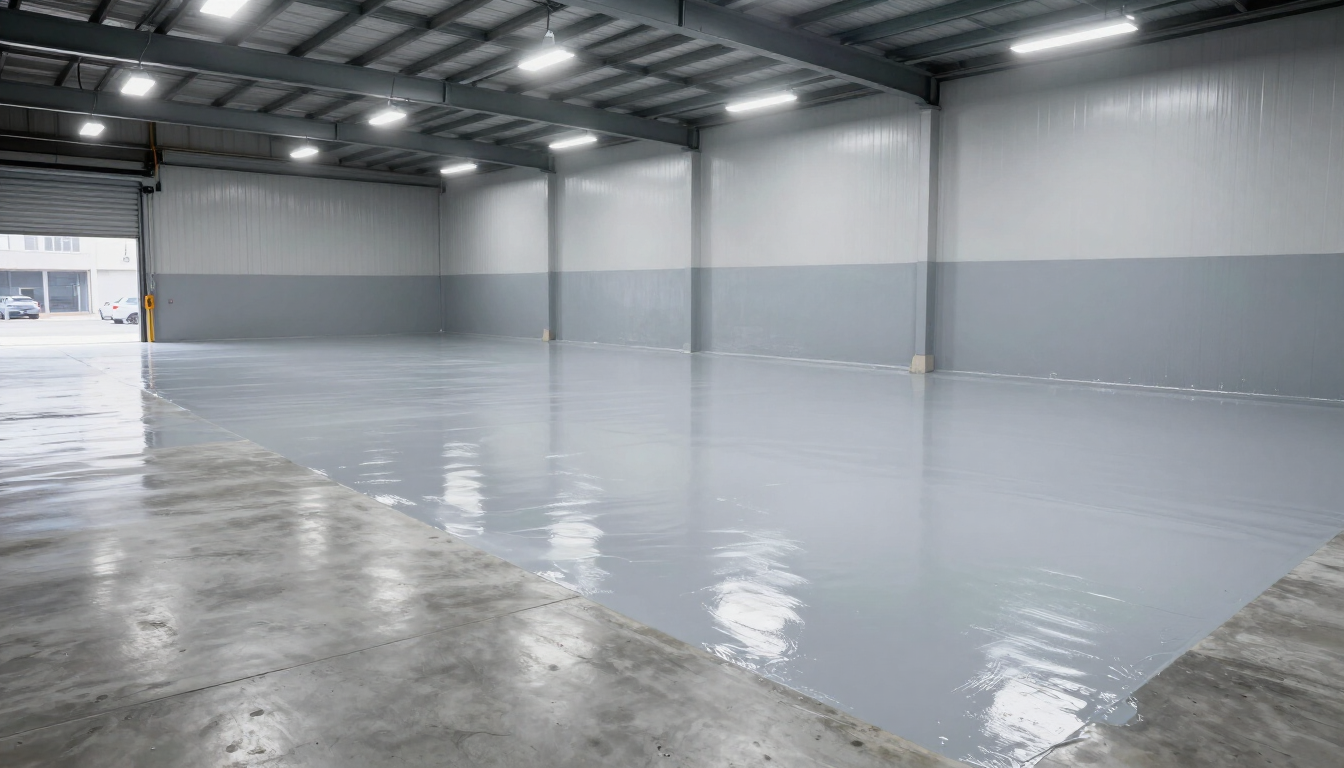
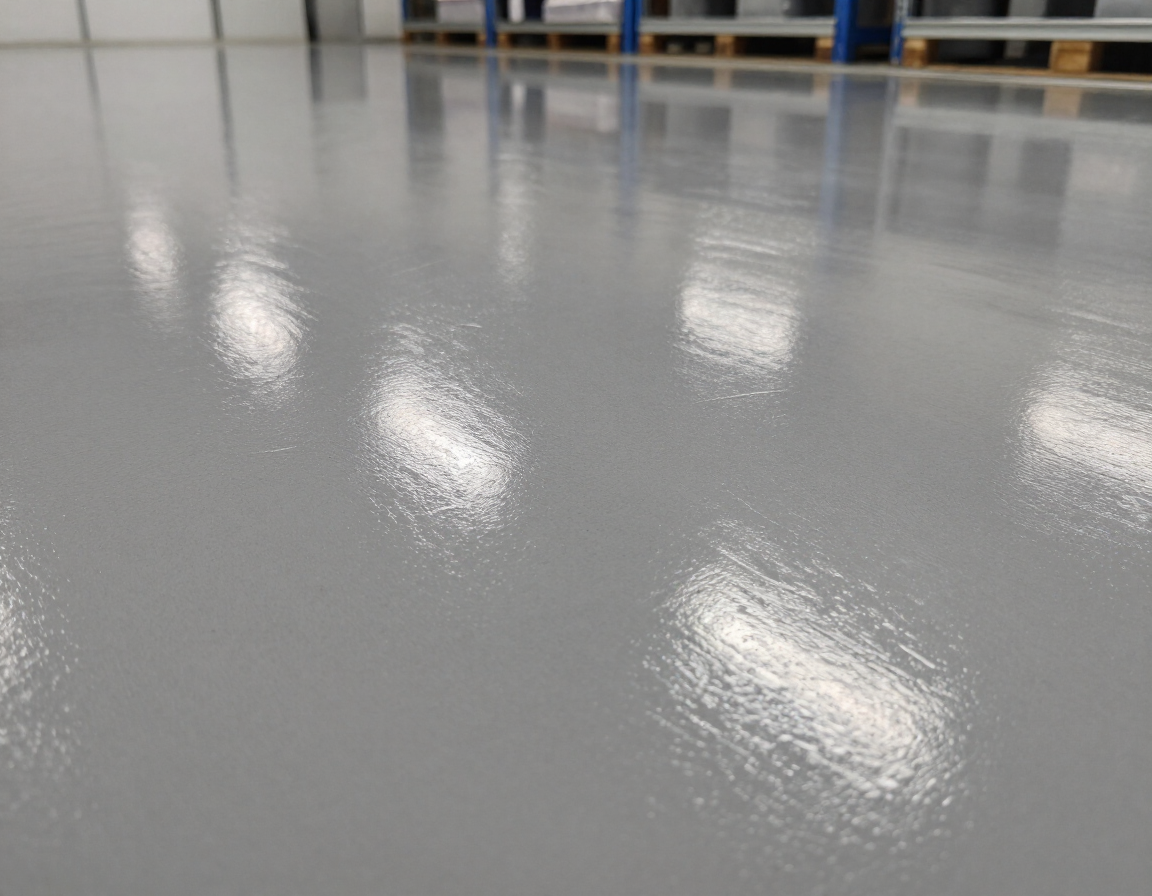
Beyond just durability, industrial epoxy offers a suite of benefits that enhance the overall performance of a warehouse. One of the most overlooked advantages is light reflectivity. The high-gloss finish of an epoxy floor can increase brightness in a facility by up to 200%, reducing the need for additional lighting and improving safety by making hazards more visible to operators. This reflective property also contributes to a cleaner, more professional aesthetic that boosts employee morale and impresses visiting clients.
Furthermore, epoxy systems are inherently seamless. By eliminating the grout lines or joints found in tiled or segmented floors, epoxy removes the places where bacteria, dust, and debris typically accumulate. This makes the floor significantly easier to sanitize, supporting high standards of cleanliness. For businesses looking to keep their facility in top shape, regular Commercial Concrete Floor Maintenance becomes a much simpler and more cost-effective task when the base material is a high-performance epoxy.
What are the common chemical threats in industrial spaces?
Different industries face different chemical challenges, and the epoxy system must be tailored to meet those specific threats. Some of the most common substances that warehouse floors must resist include:
- Petroleum Products : Oil, grease, and diesel fuel can soften and degrade lower-quality coatings but are easily repelled by industrial epoxy.
- Solvents and Thinners : Strong chemicals like acetone or toluene can strip paint, yet specialized epoxy formulations remain unphased.
- Acids and Alkalis : In battery charging stations or food processing areas, high-acid resistance is necessary to prevent surface etching.
- Cleaning Detergents : Frequent industrial-strength cleaning can wear down weak floors; epoxy is designed to withstand harsh chemical sanitization.
- Brake Fluids and Coolants : These highly corrosive liquids are common in logistics hubs and require a resilient barrier to prevent concrete damage.
The Science of Industrial Durability
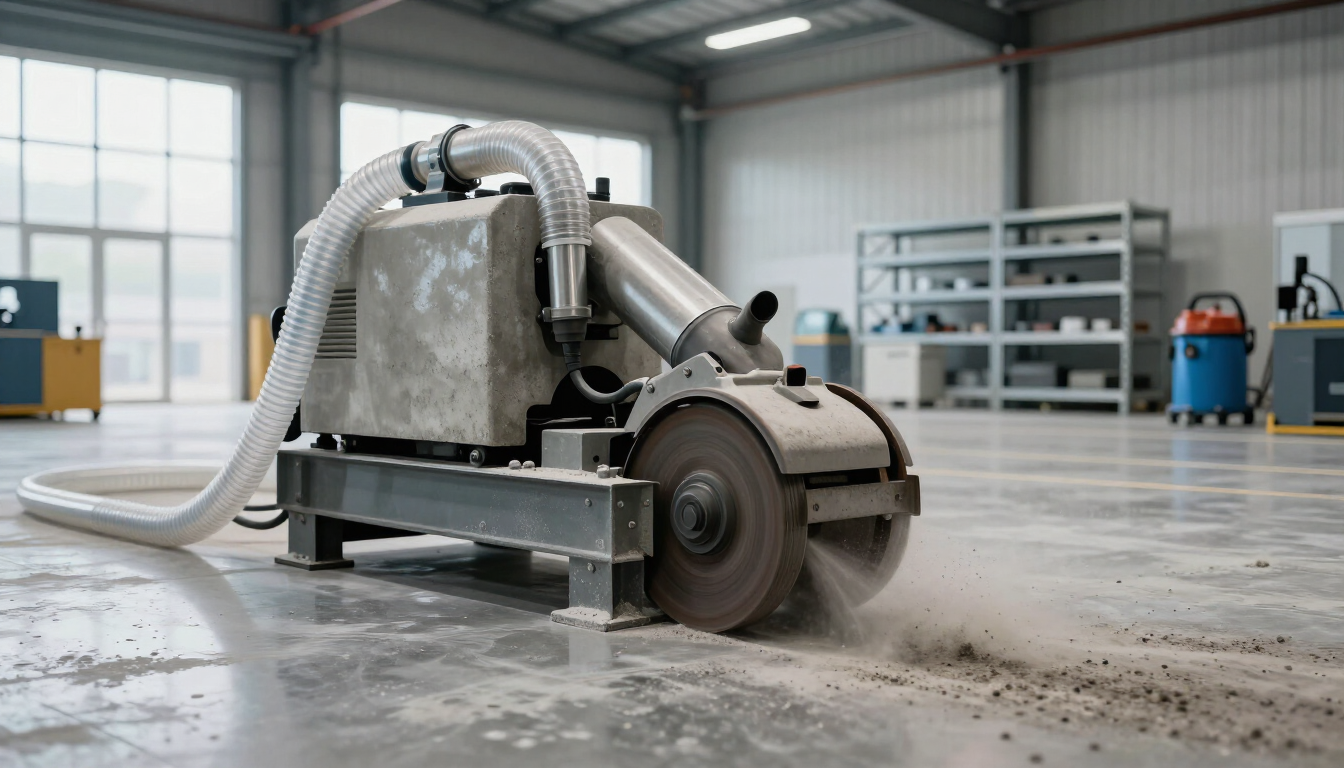
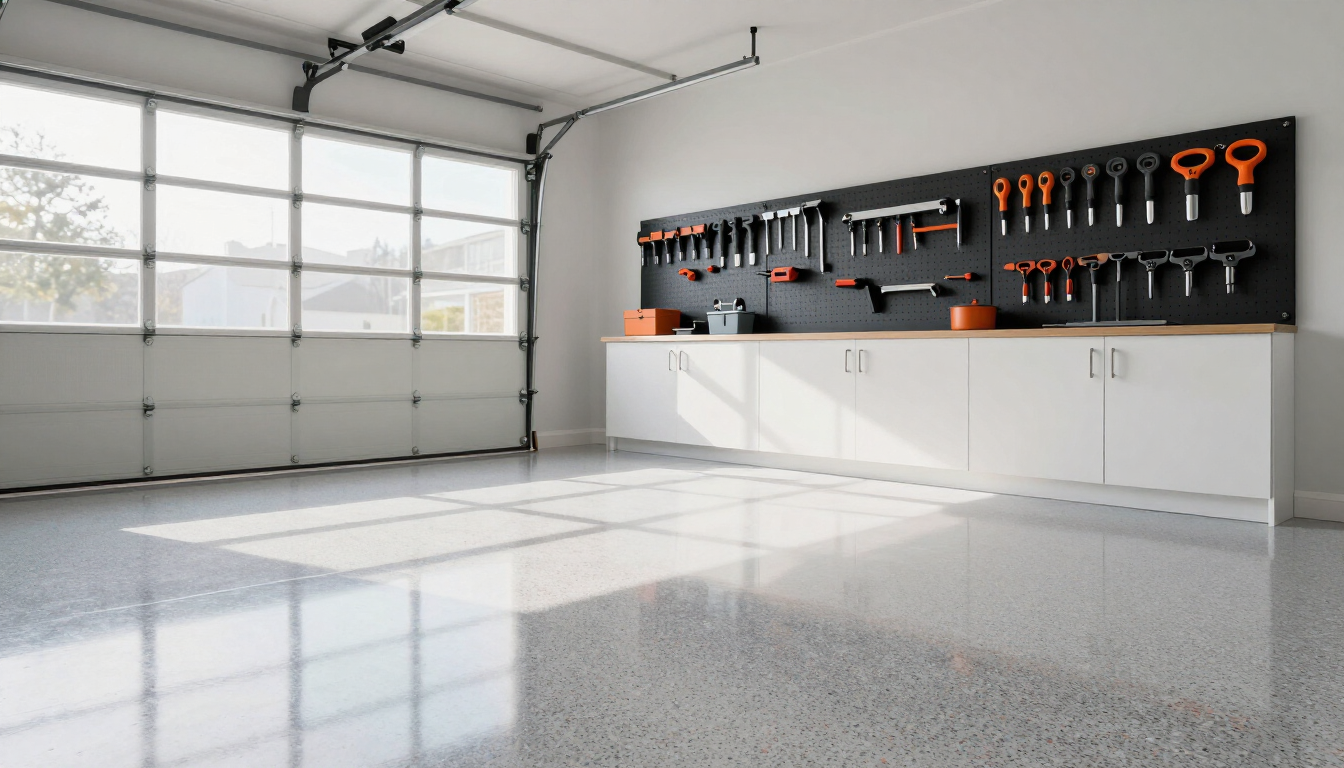
The durability of an industrial floor is not accidental; it is a result of precise chemistry and meticulous preparation. The most critical phase of any epoxy project is the mechanical preparation of the concrete. At Forge Concrete Surfaces, we utilize advanced grinding equipment to open the "pores" of the concrete, ensuring the resin can anchor itself deep within the slab. If the preparation is skipped or rushed, even the most expensive epoxy will eventually fail. For floors that have already seen better days, Commercial Concrete Floor Restoration may be necessary before the coating is applied.
Once the surface is prepared, the epoxy is mixed and applied. The "cross-linking" process occurs as the resin and hardener react, creating a polymer chain that is incredibly rigid yet tough. This chemical bond is what gives the floor its legendary resistance to impact and abrasion. By customizing the topcoat—adding slip-resistant aggregates or UV-stable polyaspartics—we can ensure the floor meets the specific environmental demands of the warehouse, whether that includes sub-zero freezer storage or high-heat manufacturing zones.
What is the lifespan of warehouse epoxy floors?
When professionally installed and properly maintained, an industrial epoxy floor can last between 10 to 20 years in a high-traffic warehouse environment. The lifespan is directly influenced by the volume of traffic and the severity of chemical exposure. A floor that sees constant heavy forklift traffic and frequent chemical spills will naturally require more attention than a clean-room storage area. However, because epoxy is a "renewable" surface, it can often be buffed and recoated without needing a full tear-out, making it a sustainable choice for long-term facility management.
To maximize the lifespan of your investment, it is important to:
- Address spills immediately to prevent long-term staining or chemical etching.
- Use non-abrasive cleaning tools and PH-neutral detergents.
- Implement a regular sweeping schedule to remove grit and debris that can act like sandpaper on the finish.
- Conduct annual inspections to catch small chips or gouges before they expand.
Is industrial epoxy a cost-effective long-term solution?
While the initial investment in industrial epoxy may be higher than simple paints or sealers, the total cost of ownership is significantly lower. Standard concrete sealers often require reapplication every 1–3 years, and they offer very little protection against heavy impacts. The cost of operational downtime, vehicle repair, and floor replacement far outweighs the upfront price of a premium epoxy system. For Phoenixville businesses, choosing a durable floor today means avoiding the high costs of structural concrete repairs in the future.
Professional Installation and Care Summary
Industrial epoxy flooring represents the gold standard for warehouse protection, combining unmatched impact resistance with a chemical barrier that preserves the underlying concrete. By creating a seamless, reflective, and incredibly tough surface, epoxy systems improve safety, hygiene, and operational efficiency for industrial facilities. Whether you are managing a logistics hub, a manufacturing plant, or a high-tech warehouse, the right floor coating is an investment in your business's future.
Key Takeaways:
- Superior Protection : Epoxy guards against the physical trauma of forklifts and falling pallets.
- Chemical Barrier : Prevents oils, acids, and solvents from penetrating and damaging the concrete slab.
- Enhanced Safety : Increases visibility through light reflectivity and offers slip-resistant options.
- Long-Term Value : Provides a decade or more of service with minimal maintenance requirements.
- Professional Preparation : Essential for ensuring a lasting bond and maximum durability.
For managers looking to upgrade their facility, evaluating current floor conditions and identifying specific chemical or physical threats is the first step toward a successful flooring transformation.