How Often to Reseal Commercial Concrete Floors (5 Tips)
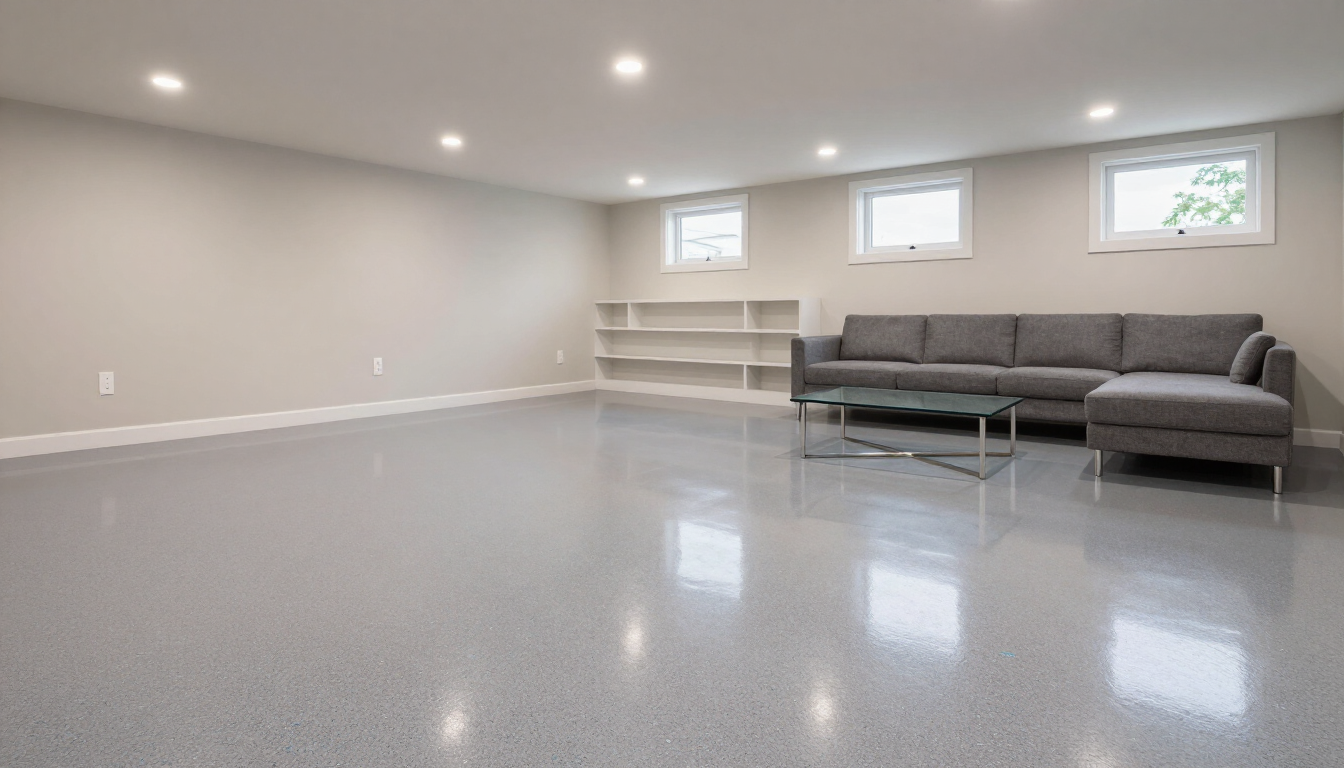
Commercial concrete floors should typically be resealed every 2 to 5 years . This frequency varies based on daily foot traffic, chemical exposure, and the type of sealer applied. High-traffic environments like warehouses or retail centers often require more frequent maintenance to prevent moisture penetration, staining, and surface abrasion.
How often should commercial concrete floors be resealed?
Determining the exact timeline for resealing commercial concrete floors is a critical responsibility for facility managers who want to protect their property's structural integrity and aesthetic appeal. While the general recommendation falls within the 2-to-5-year range, the specific environment of your facility dictates the actual schedule. For instance, a quiet office space with minimal foot traffic may successfully maintain its protective layer for five years or more. Conversely, a bustling distribution center in Phoenixville, PA, where heavy machinery and forklifts operate daily, may need a fresh seal every 24 months to keep the substrate safe from oil leaks and physical wear.
At Forge Concrete Surfaces, we often see that the decision to reseal is driven by the visible degradation of the floor’s finish. When a sealer begins to wear thin, the concrete underneath becomes vulnerable to "dusting," a process where the surface of the concrete breaks down into a fine powder. This not only creates a mess but can also compromise indoor air quality. Regular commercial concrete sealing is the most cost-effective way to avoid the much higher expenses associated with full-floor replacement or deep structural repairs.
Typical Resealing Intervals by Industry
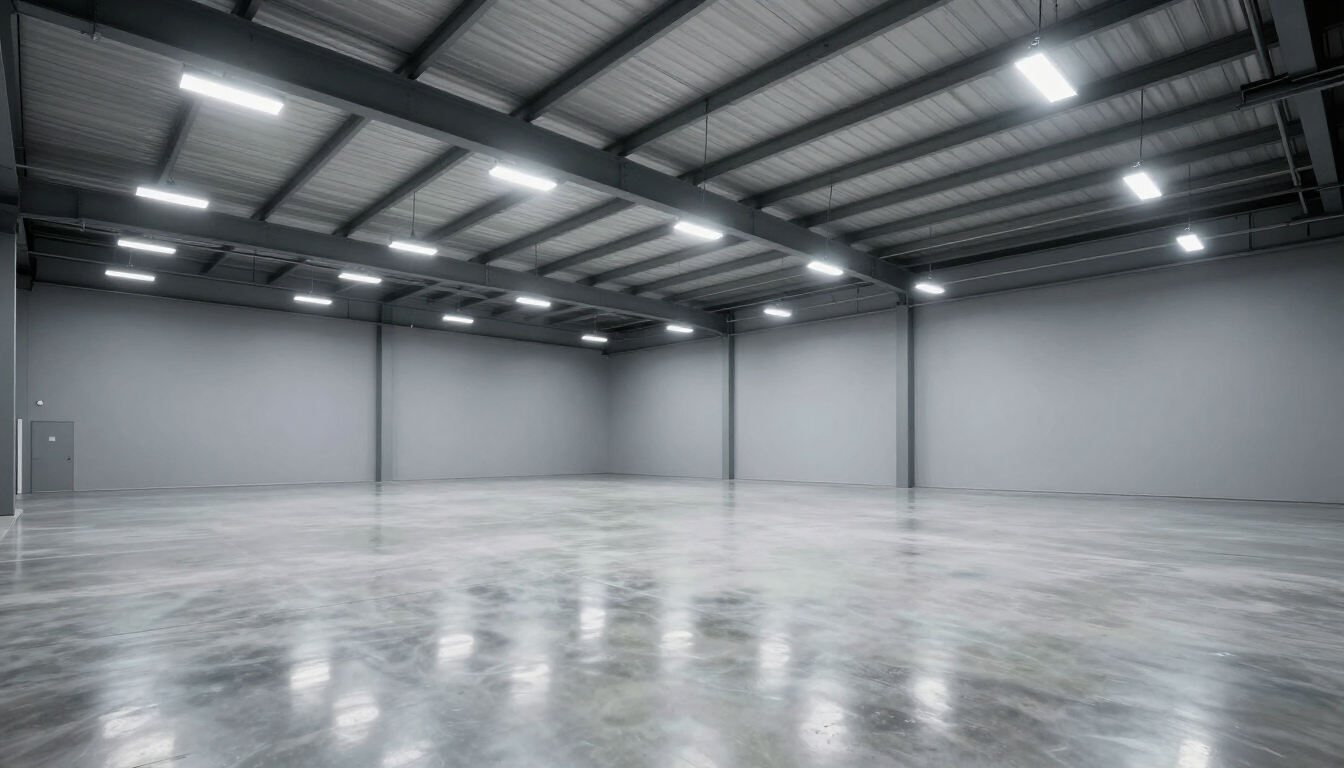
- Warehouses & Industrial: Every 2 to 3 years due to heavy equipment and chemical spills.
- Retail & Showrooms: Every 3 to 4 years to maintain high-gloss aesthetics and slip resistance.
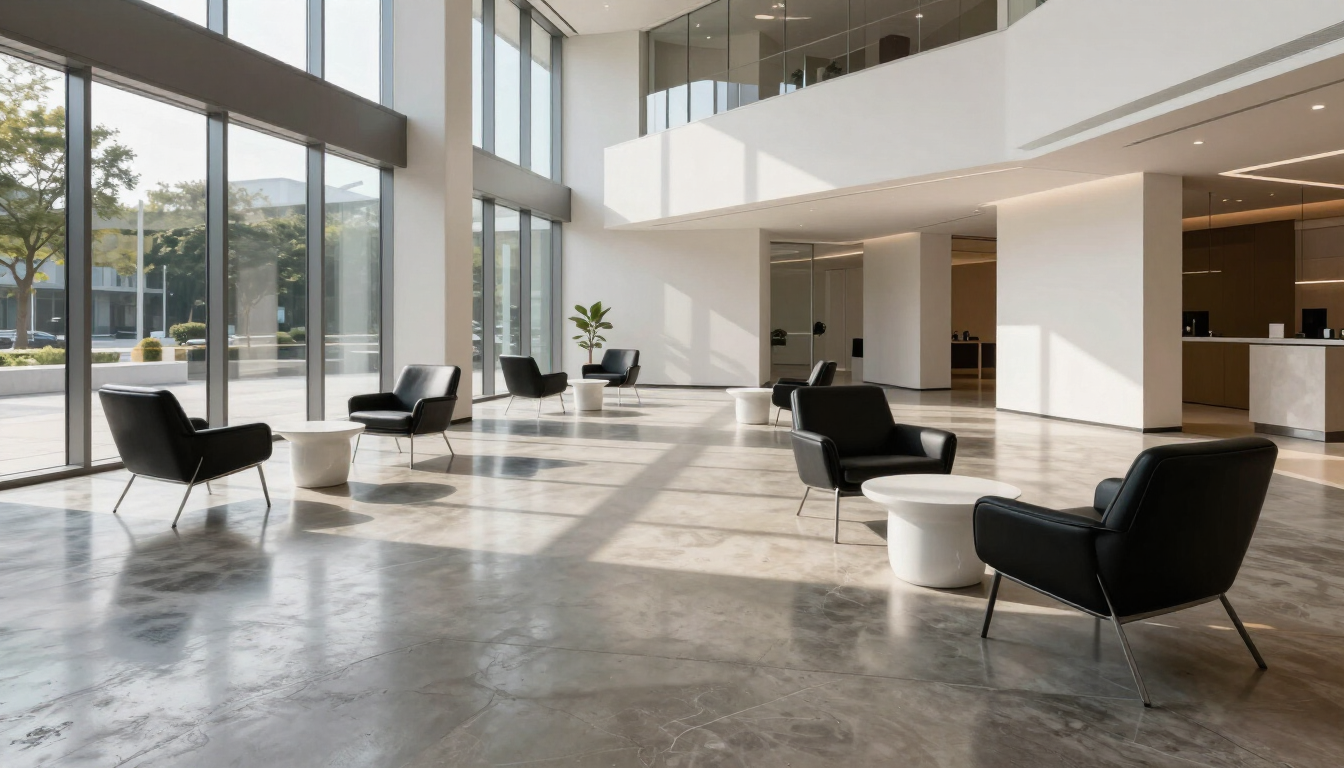
- Office Buildings: Every 5 years, focusing mainly on high-traffic hallways and lobbies.
- Healthcare Facilities: Every 2 to 3 years to ensure non-porous, easy-to-sanitize surfaces.
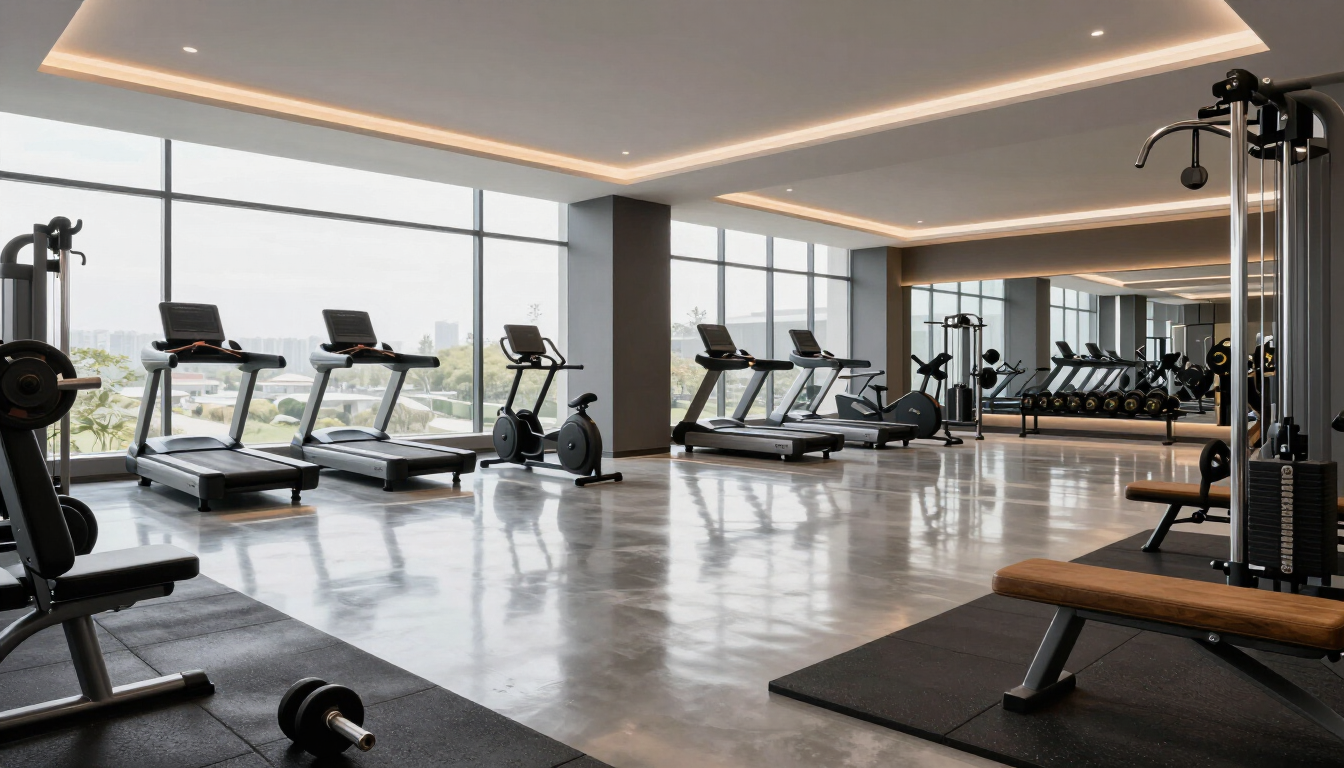
- Gyms & Recreational Centers: Every 3 years to combat sweat, moisture, and impact damage.
Key factors affecting resealing frequency
Not all concrete floors are created equal, and the longevity of your sealer depends heavily on the conditions it must endure. Facility managers must evaluate several environmental and operational variables to establish a proactive maintenance plan. If your business operates in a climate with extreme temperature shifts or high humidity, the expansion and contraction of the concrete can cause the sealer to crack or flake sooner than expected.
Another major factor is the type of cleaning chemicals used on the floor. Harsh, acidic, or highly alkaline cleaners can strip away a protective coating prematurely. Using pH-neutral cleaners as part of a commercial concrete floor maintenance program is essential for extending the life of any sealer. Furthermore, the initial preparation of the concrete—such as professional grinding to open the pores—determines how well the sealer bonds to the surface. Poorly applied sealers will inevitably fail faster, regardless of the traffic volume.
Environmental Impact on Floor Durability
- UV Exposure: Floors near large windows or outdoor loading docks may experience faster sealer breakdown.
- Chemical Spills: Frequent exposure to oils, solvents, or salts requires more robust, frequent sealing.
- Abrasive Debris: Sand, dirt, and metal shavings act like sandpaper under foot traffic, wearing down sealers.
- Moisture Levels: High sub-slab moisture can cause topical sealers to delaminate or turn cloudy.
- Temperature Swings: Facilities without climate control subject their floors to thermal stress that weakens bonds.
What are the signs your concrete sealer is failing?
It is not always necessary to wait for a calendar date to decide when to reseal. Several physical indicators can tell you exactly when the protective barrier is no longer performing its job. One of the simplest methods to check the health of your floor is the "water test." Pour a small amount of water on various areas of the floor, particularly in high-traffic zones. If the water beads up, the sealer is still intact. If the concrete darkens and absorbs the water within a few minutes, the sealer has worn away, and your floor is at risk of staining and freeze-thaw damage.
Visual changes are also a major red flag. If you notice that your once-shiny floors have become dull, patchy, or yellowed, the topical layer is likely failing. In industrial settings, look for "hot tire pickup," where warm tires from vehicles pull the sealer right off the floor. These patches are not just unsightly; they represent gaps in your building’s defense. Addressing these issues early through commercial concrete floor restoration can save thousands in the long run.
Does sealer type affect how long concrete lasts?
The chemistry of the product you choose plays a massive role in how often you will need to call a contractor back to your site. Broadly, sealers are categorized into topical coatings and penetrating sealers. Topical sealers, such as acrylics, epoxies, and polyurethanes, create a film on the surface. These are excellent for chemical resistance and aesthetics but are more prone to physical wear and may require resealing every 1 to 3 years in busy environments. They provide a beautiful finish but sit "on top" of the concrete.
Penetrating sealers, like silanes and siloxanes, work differently. They soak into the concrete pores and react chemically to create a water-repellent barrier within the substrate itself. Because they don't form a film, they don't "peel" or "flake." These can often last 5 to 10 years, though they do not offer the same high-gloss look or surface-level protection against acids that a coating provides. Choosing the right product requires a balance between how you want the floor to look and how much maintenance you are willing to perform over the next decade.
Comparing Common Commercial Sealers
- Acrylic Sealers: Affordable and easy to apply but require frequent maintenance every 1-2 years.
- Epoxy Coatings: Extremely durable and thick, lasting 3-5 years even in heavy industrial use.
- Polyurethane: Highly scratch-resistant and UV-stable, usually lasting 4-7 years when applied correctly.
- Penetrating Silanes: Invisible protection that can last 10 years, ideal for moisture-heavy environments.
- Polyaspartic: Rapid-curing and incredibly tough, often used in gyms for a 5+ year lifespan.
Essential maintenance for commercial concrete
Even the best sealer in the world cannot survive without a proper maintenance routine. The goal of maintenance is to reduce the amount of abrasive friction the sealer experiences. Daily sweeping or dust mopping is the most important step any facility manager can take. Small grains of sand and dirt act as abrasives that slowly grind away the sealer every time someone walks or drives over them. By removing these particles, you effectively slow down the physical erosion of your floor's protective layer.
In addition to daily cleaning, it is wise to schedule an annual inspection with a professional Phoenixville, PA commercial concrete flooring contractor . A professional can identify micro-cracks or areas of thinning sealer that are not yet visible to the untrained eye. Spot-treating these areas can prevent a small problem from turning into a building-wide resealing project. This proactive approach ensures that your facility remains safe, clean, and professional-looking for your employees and clients alike.
Why is timely resealing critical for your facility?
For many business owners, flooring is an "out of sight, out of mind" asset—until something goes wrong. However, the cost of neglect is significantly higher than the cost of a routine maintenance seal. When concrete is left unsealed, it becomes porous. This porosity allows oils, chemicals, and water to seep deep into the slab. In colder climates like Pennsylvania, moisture trapped inside concrete can freeze and expand, leading to spalling, where the surface literally pops off. This creates trip hazards that are a major liability for any commercial enterprise.
Furthermore, unsealed concrete is difficult to keep sanitary. In healthcare or food service environments, a compromised sealer allows bacteria to grow within the pores of the concrete. A fresh seal creates a non-porous surface that is easy to disinfect, ensuring compliance with health regulations. Beyond safety and hygiene, there is the matter of professional image. A dull, stained, and dusty floor sends a message of neglect to your customers. A well-maintained, sealed floor reflects a high standard of care and attention to detail.
Top Benefits of a Resealing Schedule
- Stain Protection: Prevents permanent discoloration from spills and leaks.
- Increased Longevity: Adds years of life to your existing concrete slab.
- Safety Compliance: Improves slip resistance and eliminates dangerous concrete dust.
- Cost Savings: Routine sealing is significantly cheaper than concrete replacement.
- Enhanced Brightness: Reflective sealers improve light distribution, potentially lowering energy costs.
Final takeaway: Resealing for long-term value
To summarize, most commercial concrete floors require resealing every 2 to 5 years to maintain their performance and appearance. By paying attention to the specific traffic patterns of your facility, choosing the correct type of sealer for your industry, and maintaining a strict cleaning regimen, you can maximize the interval between services. If you notice water absorption, dusting, or a significant loss of shine, it is time to act.
Proactive management of your flooring assets prevents structural damage and maintains a professional environment for everyone who enters your building. If you are unsure about the current state of your floors, the experts at Forge Concrete Surfaces are here to help. Contact us today for a comprehensive floor evaluation and a custom maintenance plan tailored to your Phoenixville business.